
Women’s healthcare in the Netherlands
From contraception and pregnancy to screenings and menopause, this guide explains how women’s healthcare works in the Netherlands and how to access the right services.
Women moving to the Netherlands may notice differences in how healthcare is delivered compared to their home country. The standard of care is high, but access depends on proper registration and understanding how the system works.
This guide explains what to expect, how to access care, and which services are available, including:
- Women’s health in the Netherlands
- Accessing women’s healthcare services
- Insurance for women’s healthcare
- Gynecologists in the Netherlands
- Contraception and birth control
- Emergency contraception
- Maternity care services
- Breastfeeding support
- Fertility treatment
- Abortion care and regulations
- Menopause support
- Cancer screening programs
- Sexual health services
- Feminine hygiene products
- Women’s clinics and health centers
- Useful resources
Women’s health in the Netherlands
Healthcare in the Netherlands is consistently ranked among the best globally. Women have equal access to medical services, with strong outcomes in life expectancy, preventative care, and reproductive health.
The country performs highly on gender equality in healthcare access, and women generally experience longer life expectancy than men. While routine checkups are less frequent than in some countries, services are readily available when medically needed.
Public healthcare is accessible to all registered residents, alongside private and international healthcare options for those who prefer additional flexibility.
Accessing women’s healthcare services in the Netherlands
Women in the Netherlands typically begin their healthcare journey by registering with a family doctor (GP / huisarts). The GP acts as the central coordinator for most medical services, including gynecological and reproductive care.
Once registered and insured, women can access both public and private healthcare services. Specialist care usually requires a referral from a GP, unless you have private insurance that allows direct access.
Overall, access barriers are low, and most women are able to receive appropriate care without long waiting periods.
Insurance for women’s healthcare in the Netherlands
Basic Dutch health insurance covers a wide range of women’s healthcare services, including:
- Pregnancy and childbirth
- Gynecological treatment when medically necessary
- Sexual and reproductive healthcare
- National cancer screening programs
Residents may choose their own insurance provider. Some providers are more expat-friendly due to English-language services and international coverage.
Dutch insurers include:
- ONVZ
- United Consumers
- Zilveren Kruis
Many expats also opt for international insurers such as:
- Allianz Care
- Cigna Global
EU and EFTA residents may initially access healthcare using an EHIC, but long-term residents must register for Dutch insurance.
Gynecologists in the Netherlands
Routine gynecological checkups are not standard practice in the Netherlands. Instead, women consult their GP first, who will refer them to a gynecologist if specialist care is required.

Gynecologists mainly provide care for:
- Pregnancy and childbirth
- Gynecological conditions
- Cancer diagnostics and treatment
Women with private insurance may visit specialists without a referral. Specialist care typically takes place in hospitals or dedicated women’s health centers.
Women’s contraception in the Netherlands
Birth control
Contraception is widely available and commonly used in the Netherlands.
- Free for women under 18
- Fully covered for ages 18–20
- Partially reimbursed for women 21 and over
A prescription is required for most contraceptive methods except condoms and emergency contraception.
Common options include:
- Birth control pills (widely used and affordable)
- Copper or hormonal IUDs, fitted by a GP or hospital
- Hormonal implants (may require additional insurance coverage)
Condoms are available at pharmacies, supermarkets, and vending machines.
The morning-after pill
Emergency contraception is available without a prescription at pharmacies.
- Available up to 3 or 5 days after intercourse (depending on brand)
- Costs typically range between €15 and €25
Maternity care services in the Netherlands
Pregnancy care is well-organized and largely covered by health insurance.
After confirming pregnancy, women usually:
- Contact their GP
- Are referred to a midwife for prenatal care
- Receive support from a maternity nurse (kraamzorg)
Women may choose between:
- Hospital births
- Birth centers (geboortecentrum)
- Home births (more common in the Netherlands than many other countries)
Breastfeeding in the Netherlands
Breastfeeding is legally protected and socially accepted in public spaces.

Dutch labor law requires employers to:
- Provide a private space for breastfeeding or pumping
- Allow time during work hours (up to 25%) for feeding or expressing milk during the first nine months
Support is available through maternity nurses and breastfeeding organizations such as Samenwerkende Borstvoeding Organisaties.
Fertility treatment in the Netherlands
Fertility care is accessible and covered under standard health insurance for eligible patients.
Women are generally advised to try conceiving naturally for one year before referral, unless medical issues are known. Fertility services are available to heterosexual couples, single women, and same-sex couples.
Common treatments include:
- IVF (in vitro fertilization)
- ICSI
- IUI
- Hormonal stimulation
- Fertility-related surgery
Insurance typically covers up to three IVF/ICSI cycles, usually until age 42–45, depending on clinic policy. Clinical guidance follows standards set by Dutch Society for Obstetrics and Gynecology.
Abortion in the Netherlands
Abortion laws in the Netherlands
Abortion has been legal in the Netherlands since 1984. It is permitted:
- Up to 21 weeks of pregnancy
- Up to 24 weeks in specific medical circumstances
After that, abortion is only allowed if the mother’s life is at risk.
Getting an abortion in the Netherlands
No GP referral is required, though speaking to a healthcare professional is encouraged.
- Procedures are performed in hospitals or licensed clinics
- Costs are fully covered for insured residents
- A mandatory reflection period applies
- Valid ID and health insurance details are required
Support and counseling services are available through organizations such as Fiom.
Menopause in the Netherlands
Women experiencing menopause-related symptoms can consult their GP or a gynecologist.
Available treatments include:
- Hormone replacement therapy (HRT)
- Non-hormonal treatments
- Lifestyle and counseling support
Coverage depends on the insurance plan and treatment type.
Cancer screenings in the Netherlands
The Netherlands operates national screening programs rather than routine annual checkups.
Cervical cancer screening
- Offered every five years to women aged 30–60
- HPV testing is standard
- Self-sampling kits are available
- Follow-up referrals provided when necessary
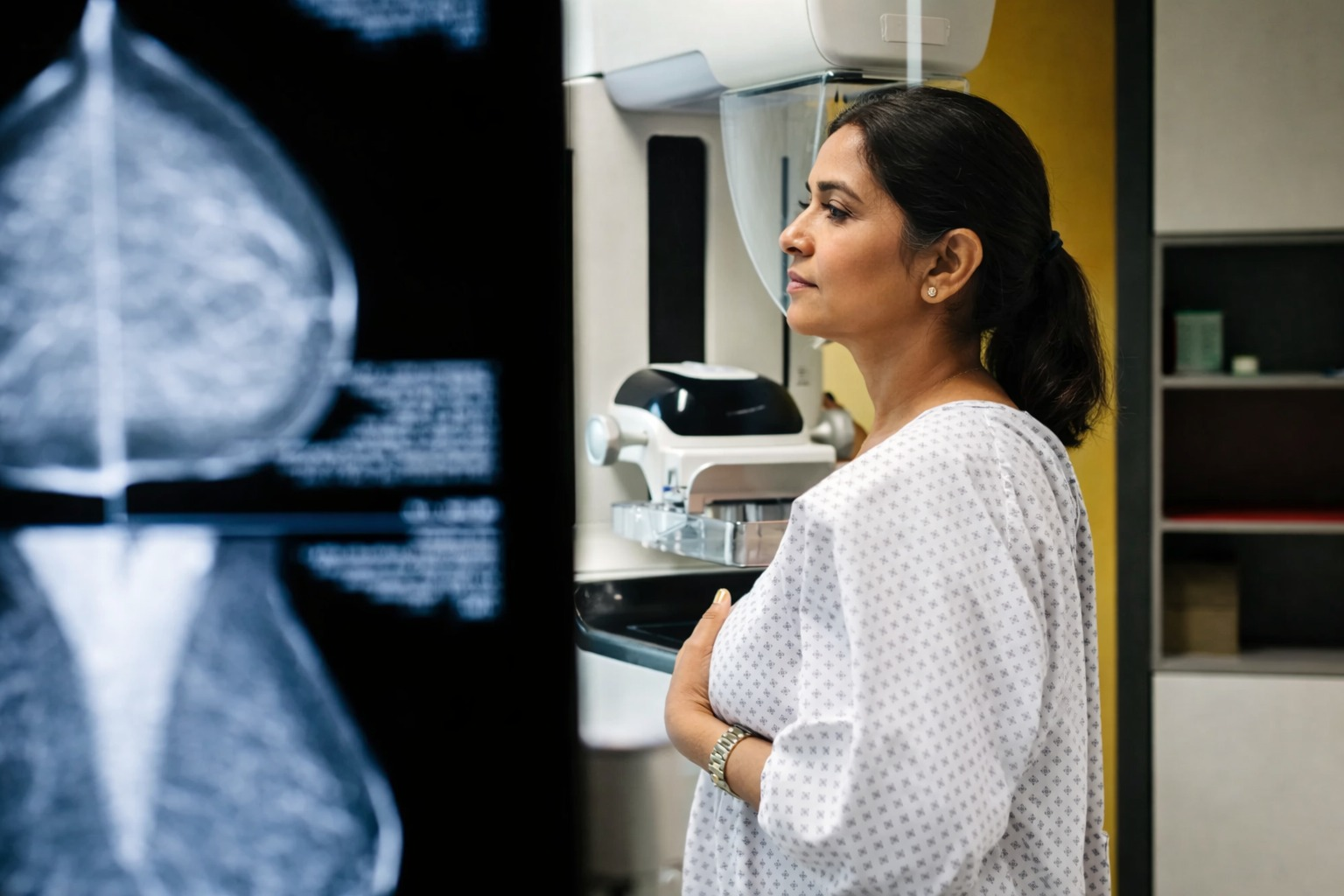
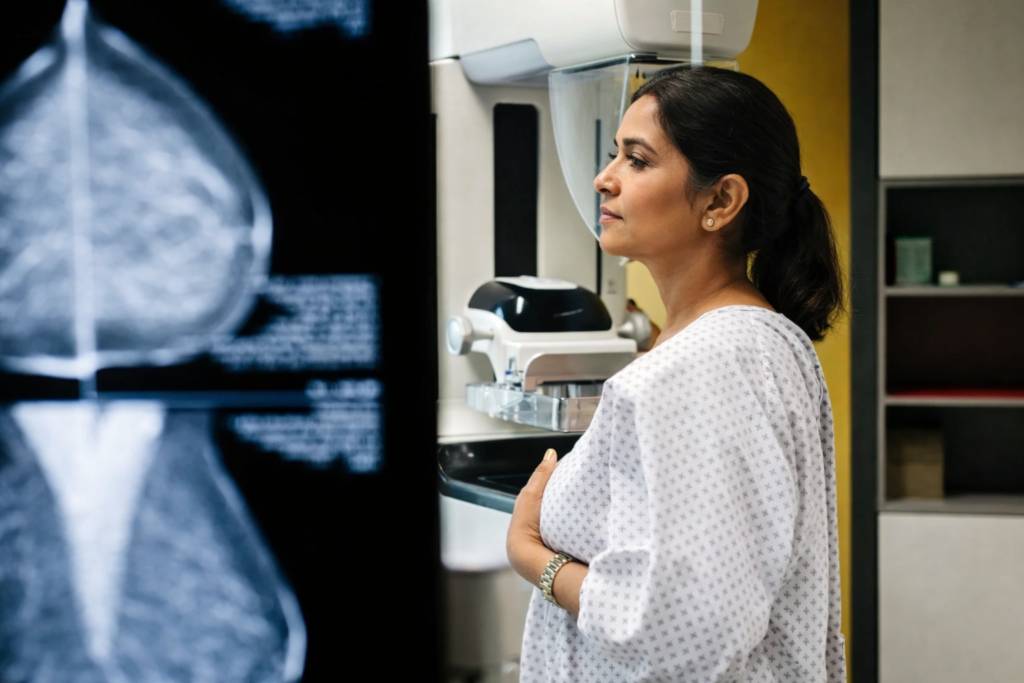
Breast cancer screening
- Offered every two years to women aged 50–75
- Conducted via mobile screening units
- Results are provided within two weeks

Ovarian cancer screening
There is no routine national screening. Testing may be arranged through a GP if symptoms or family history indicate risk.
Sexual health in the Netherlands
Sexual health services are open, confidential, and widely accessible.
Women can access:
- STI testing through GPs or sexual health clinics
- Counseling and treatment, often without referral
In cities such as Amsterdam, free STI testing is available at municipal clinics.
Availability and cost of feminine hygiene products
Sanitary products are widely available in supermarkets and pharmacies.
- VAT is reduced (9%)
- Typical cost: €2–€6
- Menstrual cups are increasingly popular and cost €20–€25
Despite availability, affordability remains an issue for some young women.
Women’s clinics and health centers in the Netherlands
In addition to GPs and hospitals, women can access:
- Sexual health clinics
- Specialist gynecology centers
- Multidisciplinary health centers
Availability varies by municipality.
Useful resources
- Rijksoverheid – official healthcare information
- National Institute for Public Health and the Environment
- Women’s Healthcare Center – specialist gynecology care
- La Leche League – breastfeeding support
- Fiom – abortion and family planning support