
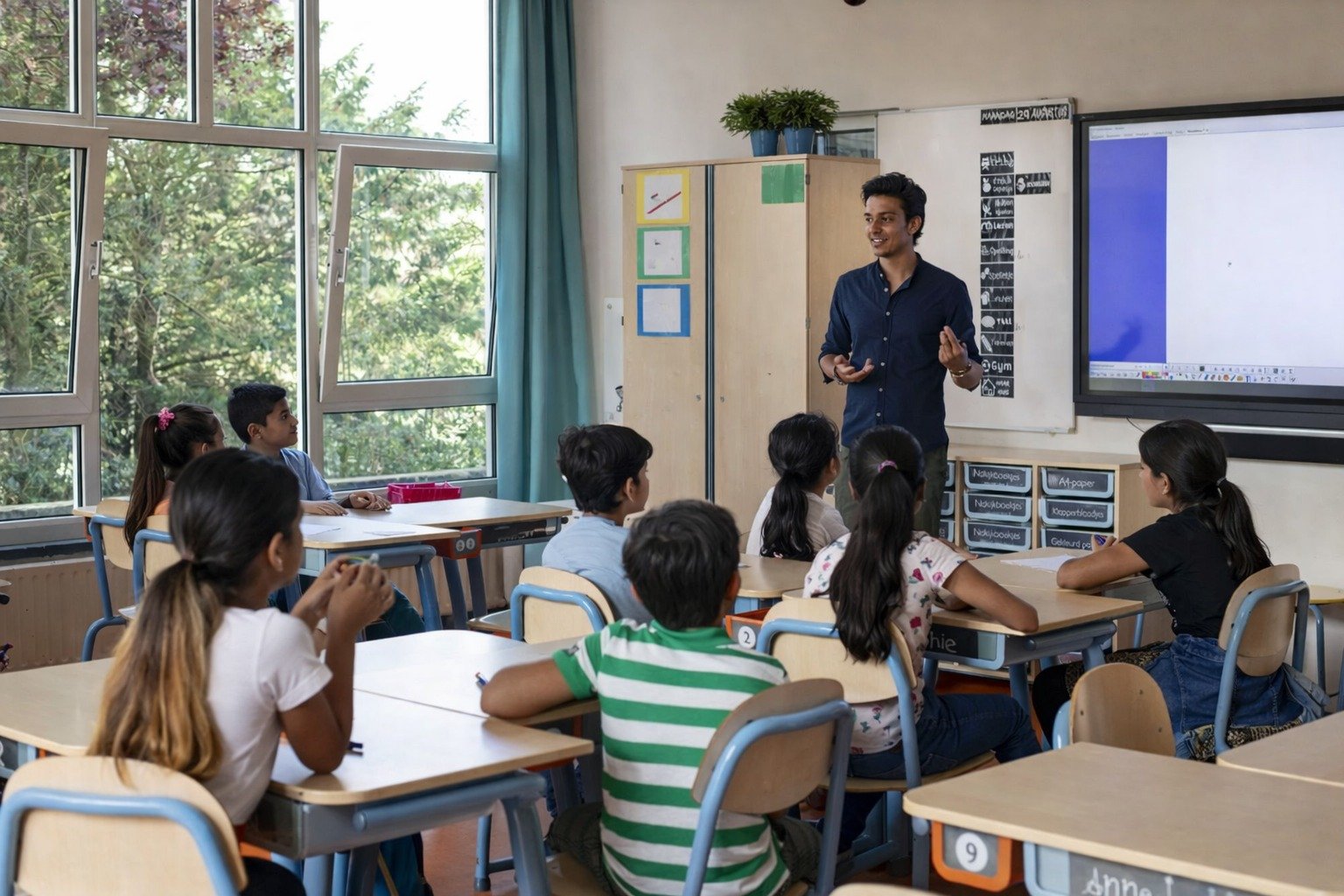
Primary schools in the Netherlands
The Dutch primary school system can feel complicated at first, especially for families who did not grow up with it. From different educational philosophies to international school options, understanding how the system works is essential before enrolling your child.
The Netherlands is known for its high-quality education and strong focus on child development. Parents are given a wide range of choices, which is positive—but it can also feel overwhelming for international families who are still learning how Dutch education is structured.
This guide to primary schools in the Netherlands is designed to help you understand your options and make informed decisions for your child. It covers the following topics:
- The primary education system in the Netherlands
- Types of schools in the Netherlands
- Government-funded schools in the Netherlands
- Openbare and bijzondere schools
- Government-funded bilingual schools
- Newcomer class
- Kopklas
- Special needs education in the Netherlands
- The curriculum in Dutch primary schools
- Common curriculum in the Netherlands
- Class composition in the Netherlands
- School vacations in the Netherlands
- School hours in the Netherlands
- Common educational philosophies in the Netherlands
- Montessori primary schools in the Netherlands
- Waldorf primary schools in the Netherlands
- Dalton primary schools in the Netherlands
- Jenaplan primary schools in the Netherlands
- Graduating from primary school in the Netherlands
- Pupil monitoring system
- End test of primary school
- Teacher’s assessment
- Recommendation for secondary school
- Musical
- State-funded schools in the Netherlands: registration and costs
- Applying to government-funded primary schools in the Netherlands
- Costs of schools in the Netherlands
- Pros and cons of government-funded schools in the Netherlands
- International schools in the Netherlands
- Pros and cons of international schools in the Netherlands
- Private primary schools in the Netherlands
- Boarding school
- Useful resources
The primary education system in the Netherlands
Most children in the Netherlands start primary school (basisschool) the day after their fourth birthday, regardless of when that falls during the year. From the first school day of the month following their fifth birthday, school attendance becomes legally mandatory (leerplicht). Homeschooling is generally not permitted, except in rare and specific circumstances.
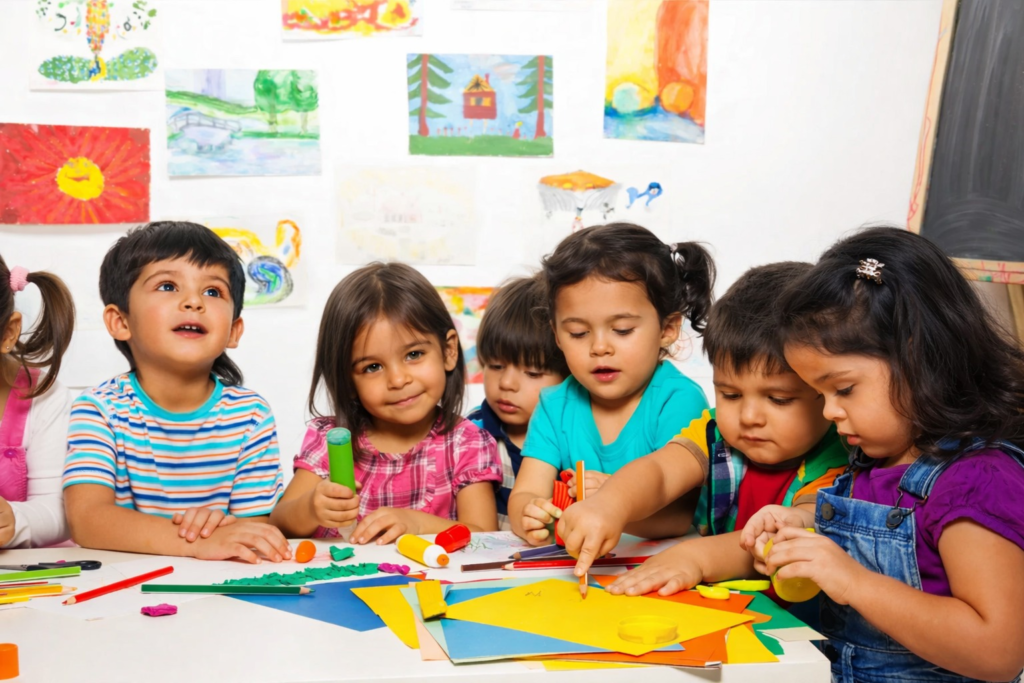
Children aged four and five usually attend groups 1 and 2 together, known as kleuterklas (kindergarten). Learning during these years is play-based and focuses on social development, language skills, motor skills, independence, creativity, and early preparation for reading and writing.
Formal academic learning begins in group 3, around the age of six. Most children complete primary school in group 8 at age twelve. Based on teacher recommendations and national assessment results, they then transition to an appropriate level of secondary education.
Types of schools in the Netherlands
Education choice is highly valued in the Netherlands. Most schools are government-funded and may follow a specific educational philosophy or religious background. There are also a small number of private schools, as well as bilingual and international options.
Primary schools generally fall into three categories:
- Government-funded schools: openbare, bijzondere, and bilingual schools
- Private schools
- International schools
Government-funded schools in the Netherlands
The majority of children in the Netherlands attend government-funded schools. These schools are either openbare (public) or bijzondere (special). Regardless of their type, all government-funded schools must meet national educational standards set by the Ministry of Education, Culture, and Science (OCW) and participate in the national end test (Eindtoets groep 8).
While core objectives are nationally defined, individual schools have significant freedom in how they organize teaching, structure lessons, and allocate budgets. This results in considerable variation between schools.
Openbare and bijzondere schools
Openbare schools are non-religious public schools managed by independent foundations originally established by the government. Some follow specific educational philosophies such as Montessori, Waldorf, Dalton, or Jenaplan.
Around two-thirds of Dutch pupils attend bijzondere schools. These schools have their own governing boards and may be based on religious traditions or pedagogical philosophies. Religious identity varies widely, and many such schools are inclusive and open to families of all backgrounds.
Since 1917, bijzondere schools have received equal state funding under the Freedom of Education Act. These schools are not private schools and do not charge tuition fees.
Government-funded bilingual schools
All Dutch primary schools must teach English as a subject by group 7 (around age 10). Many schools start earlier through VVTO (Vroeg Vreemde Talen Onderwijs), sometimes as early as group 1.
A limited number of schools participate in bilingual education pilots, where 30–50% of lessons are taught in English. These are Dutch schools that partially teach content in English, but all assessments and final learning outcomes remain Dutch-based.
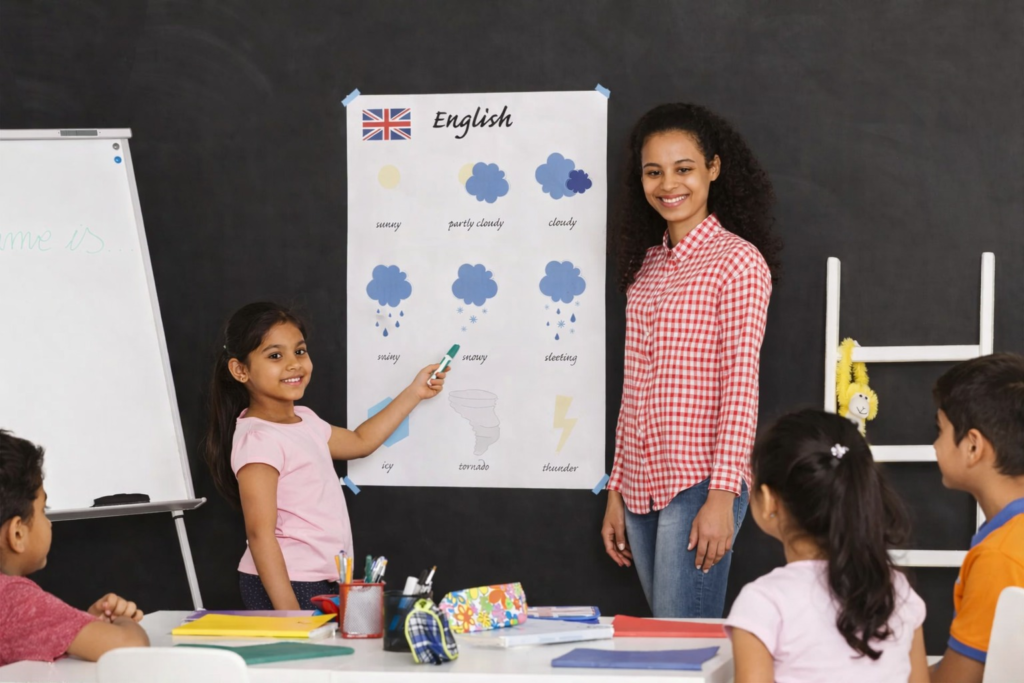
Bilingual schools are generally not suitable for children who do not yet speak Dutch. In such cases, children usually attend a newcomer class first.
Newcomer class
Children aged six or older (and in some cities from age four) who do not speak Dutch are usually placed in a newcomer or language immersion class before joining a regular school.

These classes offer intensive Dutch language education in small groups, usually for about one year. After completion, children transfer to a mainstream school at their age level, without losing a school year.
Kopklas
Some cities offer a kopklas, designed for motivated students who perform well academically but need additional Dutch language support. This one-year bridge program strengthens language skills and helps pupils qualify for a higher level of secondary education.
Special needs education in the Netherlands
Under the Inclusive Education Act (Passend Onderwijs), schools are responsible for providing suitable education for all children, including those with special needs.

When necessary, children may attend special needs schools, including:
- Speciaal basisonderwijs (SBO)
- Speciaal onderwijs (SO)
- Voortgezet speciaal onderwijs (VSO)
These schools offer smaller classes, individualized support, and extended primary education up to age 14 when needed.
The curriculum in Dutch primary schools
Common curriculum in the Netherlands
The national curriculum is defined through core objectives (kerndoelen) covering subjects such as Dutch, English, mathematics, social studies, arts, physical education, and—regionally—Frisian.
Curriculum updates are ongoing to reflect modern skills such as digital literacy.
Class composition in the Netherlands
Classes typically contain 25–30 pupils, especially in urban areas. Some philosophy-based schools combine multiple age groups. Many classes are taught by two part-time teachers and supported by teaching assistants.
School vacations in the Netherlands
Primary school pupils have approximately 12 weeks of vacation per year. Breaks are spread evenly throughout the year, with a six-week summer holiday. Schools may also have additional training days (studiedag).
School hours in the Netherlands
School days usually start between 8:30 and 9:00 and finish between 14:45 and 15:30. Many schools close on Wednesday afternoons, while others follow equal daily schedules.
Attendance becomes strictly regulated from age five.
Common educational philosophies in the Netherlands
Many schools follow established pedagogical approaches, including Montessori, Waldorf, Dalton, and Jenaplan.
Montessori primary schools in the Netherlands
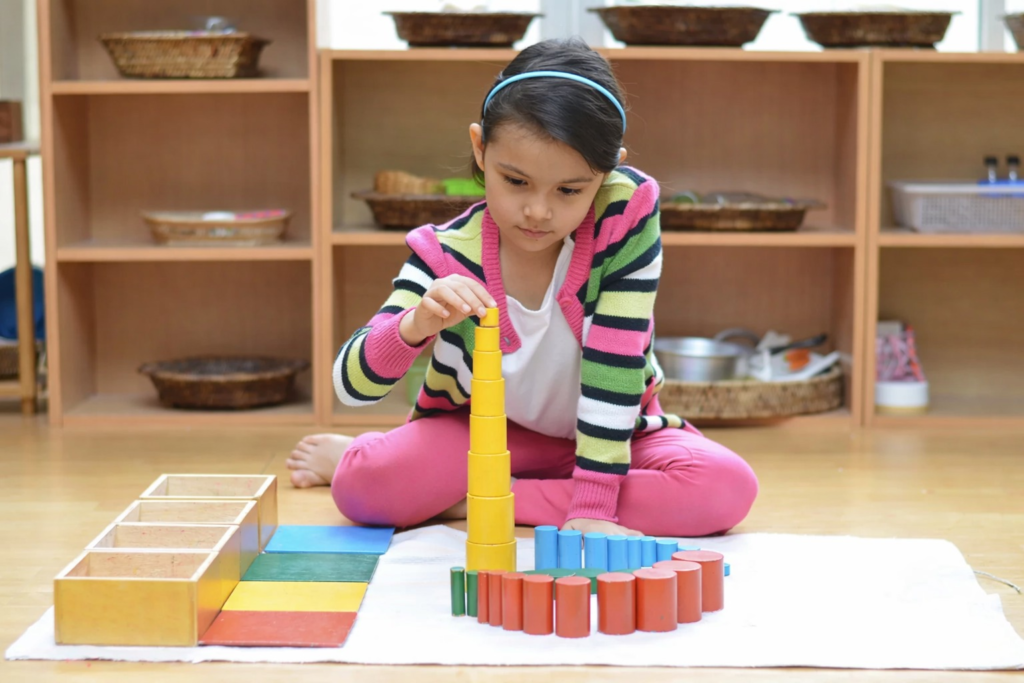
Montessori education emphasizes independence, self-paced learning, and mixed-age classrooms. Teachers often stay with the same group for several years.
Waldorf primary schools in the Netherlands
Waldorf schools focus on holistic development through storytelling, arts, music, movement, and practical activities, often with long-term teacher continuity.
Dalton primary schools in the Netherlands
Dalton education encourages responsibility, planning, collaboration, and project-based learning, typically with single-age classrooms.
Jenaplan primary schools in the Netherlands
Jenaplan schools emphasize community, dialogue, and cultural awareness, with mixed-age groups and strong parental involvement.
Graduating from primary school in the Netherlands
Pupil monitoring system
From group 2 onwards, pupils participate in regular assessments to track progress and identify learning needs early. These tests do not result in pass or fail outcomes.
End test of primary school
At the end of group 8, pupils take a national end test assessing Dutch and mathematics. The test is not an exam and has no pass/fail outcome.
Teacher’s assessment
Teachers provide a comprehensive recommendation for secondary education based on academic performance, learning attitude, motivation, and development.
Recommendation for secondary school
The teacher’s recommendation is decisive. Test results may adjust the recommendation upward but not downward.
Children who have lived in the Netherlands for less than four years are exempt from the end test.
Musical
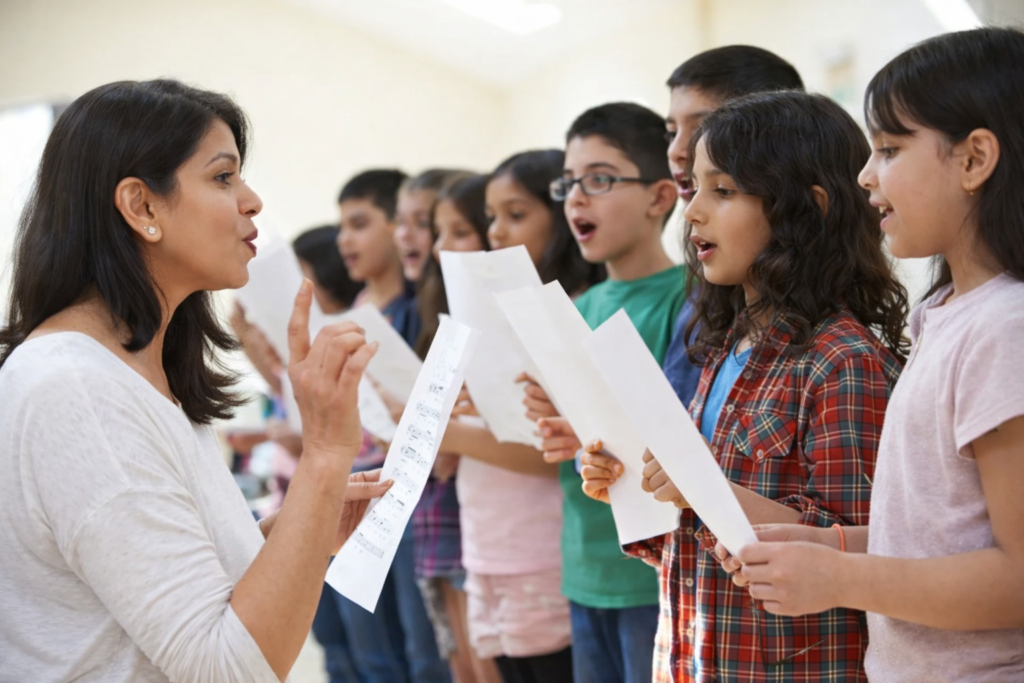
Traditionally, group 8 pupils perform a musical at the end of the school year—a memorable farewell that many Dutch adults still remember fondly.
State-funded schools in the Netherlands: registration and costs
Applying to government-funded primary schools in the Netherlands
Enrollment procedures vary by city. In large cities, placement is often managed through municipal lotteries based on address. Elsewhere, parents apply directly to schools.
Children entering school after age four are known as side-streamers and may apply directly to schools without participating in lotteries.
Costs of schools in the Netherlands
Government-funded education is free. Schools may request a voluntary parental contribution (ouderbijdrage), usually under €100 per year, to support extracurricular activities.
School materials are provided free of charge. Additional fees may apply for supervised lunchtime care.
Pros and cons of government-funded schools in the Netherlands
Dutch public education is high quality and affordable, and children integrate easily into their local communities. However, some schools face teacher shortages, particularly in large cities.
For families planning to stay long term, Dutch schools offer strong integration and future educational opportunities.
International schools in the Netherlands
International schools teach in English and follow international curricula such as IB or IPC. Some are government-subsidized, while others are fully private.
Examples include:
- Amity International School
- The British School of Amsterdam
- The International School of Amsterdam
- The International School of The Hague
- Winford Bilingual Primary School
Pros and cons of international schools in the Netherlands
International schools are well suited for short-term stays or older children but often provide limited Dutch language exposure, which can affect local integration.

Private primary schools in the Netherlands
Private schools charge tuition and offer smaller classes and individualized education. They represent a very small portion of Dutch primary education.
Boarding school
Boarding schools are rare in the Netherlands. One international option is Eerde International Boarding School near Zwolle.
Useful resources
- Dutch Inspectorate of Education
- Scholenopdekaart
- Schoolwijzer Amsterdam
- Nuffic
- EURYDICE