

Pregnancy and giving birth in the Netherlands
From prenatal care and delivery to aftercare, leave, and benefits, here’s everything you need to know about having a baby in the Netherlands in 2025.

Planning a pregnancy in the Netherlands can feel unfamiliar at first. While the Dutch maternity system may work differently from what you’re used to, it is considered one of the safest and most supportive in Europe.
The Netherlands is well known for its strong focus on natural childbirth and exceptional postnatal support. In fact, few countries offer the same level of in-home care for new parents, much of which is covered by health insurance.
This guide explains what to expect when you’re expecting in the Netherlands, including:
- Is the Netherlands a good place to have a baby?
- Accessing Dutch maternity services: midwives and obstetricians
- Does Dutch health insurance cover maternity costs?
- Pregnancy testing in the Netherlands
- Prenatal care in the Netherlands
- Abortion in the Netherlands
- Dutch deliveries: hospitals and home births
- Post-natal care in the Netherlands
- Registration of birth in the Netherlands
- Non-residents, visitors, and tourists giving birth
- Parental leave in the Netherlands
- Child benefits in the Netherlands
- Useful resources
Is the Netherlands a good place to have a baby?
Yes. The Netherlands combines high medical standards with a strong family-focused culture, making it a safe and supportive place to have a baby.
That said, the Dutch approach to pregnancy and birth is different from many countries. Pregnancy is generally treated as a natural life event rather than a medical condition. As a result, most women receive care from midwives rather than doctors unless complications arise.
Hospitals remain the most common place to give birth, but home births are still relatively popular. Around one in eight babies is born at home — a higher rate than in most developed countries, though far lower than in previous decades.
After birth, families receive up to 10 days of professional maternity support at home, which is one of the most valued aspects of the Dutch system.
Accessing Dutch maternity services: midwives and obstetricians
If you think you’re pregnant, the first step is to contact your family doctor (GP / huisarts). They confirm the pregnancy and usually arrange initial blood tests.
You are then referred to a midwife, who will manage most of your prenatal care. If any risks or complications arise, the midwife refers you to a gynecologist or obstetrician (gynaecoloog).
You can search for registered midwives via Royal Dutch Organization of Midwives or request recommendations from your GP. Many women also choose to work with a doula for additional emotional and physical support.
Does Dutch health insurance cover maternity costs?
Yes. Dutch basic health insurance covers most maternity-related care, including:
- Prenatal checkups
- Midwife care
- Hospital or home delivery (with conditions)
- Postnatal care (kraamzorg)
- Abortions
Expats who are not covered under Dutch insurance can choose international health insurance plans. Common providers offering maternity coverage include:
- Allianz Care
- Cigna Global
Pregnancy testing in the Netherlands
Pregnancy tests are easy to obtain from pharmacies, supermarkets, and drugstores. Prices typically range from €5 to €15.
If your test is negative but you still suspect pregnancy, repeat the test after one week or consult your GP for a blood test.
Prenatal care in the Netherlands
Once pregnancy is confirmed, schedule your first appointment with a midwife as early as possible. The first visit includes medical screening and discussion of your birth preferences (home or hospital).
Appointments usually follow this pattern:
- Every four weeks initially
- Every two weeks closer to your due date
Midwives provide guidance on nutrition, lifestyle, and pregnancy progress. You will also receive a pregnancy booklet that tracks your medical information and is especially useful for home births.
Scans, tests, and checks
Prenatal screening is available but not automatically routine. Testing is recommended when:
- The mother is over 36
- There is a family history of genetic conditions
- A previous child had congenital issues
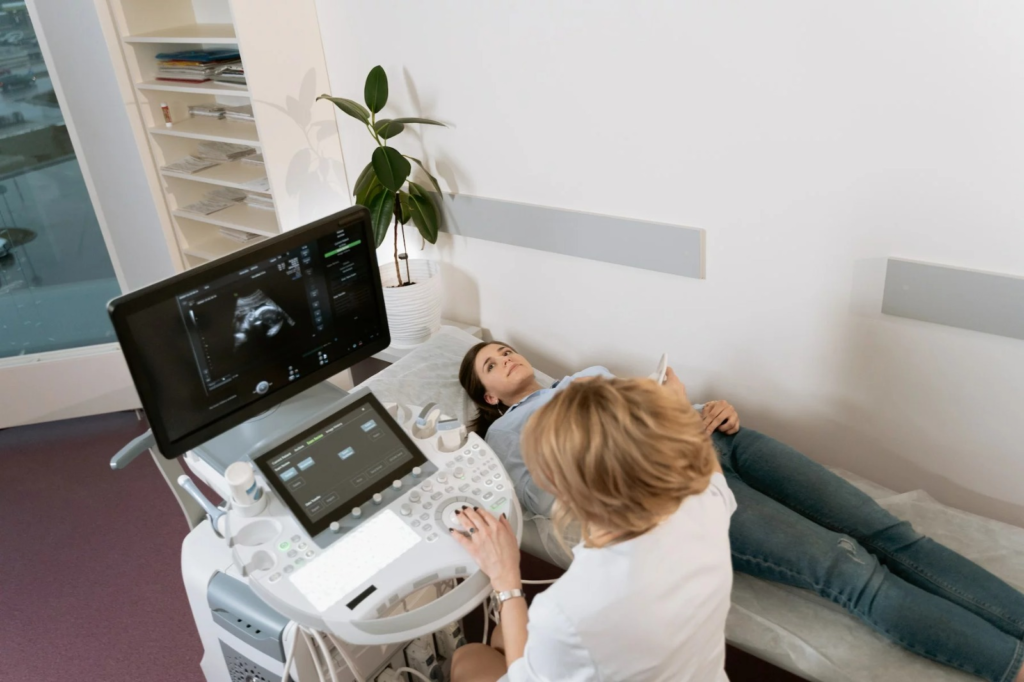
Standard low-risk pregnancies usually include:
- One early scan to confirm the due date
- One anomaly scan at around 20 weeks
Additional genetic tests (e.g., NIPT) are optional and usually not fully covered by basic insurance.
Antenatal classes
Prenatal classes are widely available across the Netherlands and often offered in English. Popular options include:
- Yoga and hypnobirthing
- Partner-focused birth preparation
- Classes specifically designed for expats
Availability varies by city.
Abortion in the Netherlands
Abortion is legal on request up to 21 weeks, and up to 24 weeks for medical reasons.
- No GP referral is required
- A mandatory five-day reflection period applies
- Procedures are fully covered for insured residents
Support and counseling are available through Fiom.
Dutch deliveries: hospitals and home births
Hospital births usually take place at the nearest hospital. Midwives attend the birth, with doctors involved if complications arise.
Hospital stays are short; many women return home within 4–24 hours after delivery.
Parents receive a child health record (Het Groeiboek) to track vaccinations and development.
Delivery outside of a hospital
For home births:
- A midwife and nurse attend the delivery
- Pain relief options are limited
- Medical supplies are provided through a maternity kit (kraampakket)
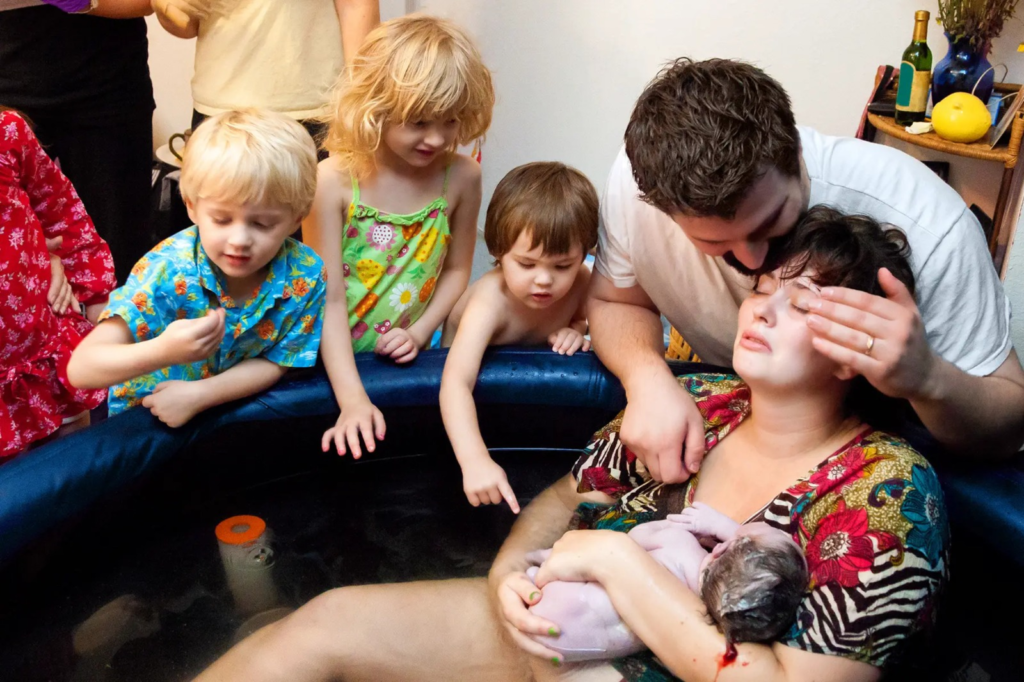
Some cities also offer birthing hotels (kraamzorghotels), combining a home-like environment with medical supervision.
Post-natal care in the Netherlands
One of the standout features of Dutch maternity care is kraamzorg — professional postnatal care at home.
- Provided for up to 8–10 days
- Covered by basic health insurance (sometimes with a small personal contribution)
- Helps with newborn care, breastfeeding, recovery, and light household tasks
Register for kraamzorg before the 12th week of pregnancy to ensure availability.
Nurseries and childcare
Childcare registration often begins during pregnancy due to long waiting lists.
Parents may be eligible for childcare allowances, which can significantly reduce costs.
Vaccinations for children
Children in the Netherlands receive free vaccinations under the National Immunization Program.
- Vaccination is voluntary but widely practiced
- First rounds occur before age four
- Booster vaccinations are given later, including HPV vaccination for girls
Invitations are sent automatically by mail.
Breastfeeding in the Netherlands
Breastfeeding is legally protected and increasingly supported in public spaces.
Employers must:
- Provide a private space
- Allow paid time for breastfeeding or pumping during the first nine months
Public attitudes have improved significantly in recent years.
Registration of birth in the Netherlands
Newborns must be registered at the local city hall (gemeentehuis) within 72 hours of birth.
Required documents typically include:
- Parents’ passports
- Residence permits
- Marriage certificate (if applicable)
A Dutch birth certificate is issued, after which parents can apply for child benefits.
Non-residents, visitors, and tourists giving birth
Tourists must have valid health insurance. Coverage varies depending on nationality and insurance type.
- EU citizens can use an EHIC
- Non-EU visitors must have travel or international health insurance
- Maternity coverage is often limited in standard travel policies
In emergencies, call 112.
Will my child get Dutch citizenship?
The Netherlands does not grant automatic citizenship by birth.
- A child with a Dutch mother is automatically Dutch
- With a Dutch father, legal recognition rules apply
- Children living in the Netherlands for five years may apply for citizenship
Parental leave in the Netherlands
For birth mothers:
- Pregnancy leave: 4–6 weeks (100% pay)
- Maternity leave: 10–12 weeks (100% pay)
For partners:
- Birth leave: 1 fully paid week
- Additional partner leave: up to 5 weeks at 70% pay
All parents can take parental leave until the child is eight years old, with nine weeks paid at 70% if taken during the first year.
Child benefits in the Netherlands
Parents may receive financial support through:
- Kinderbijslag (child benefit)
- Kinderopvangtoeslag (childcare allowance)
- Kindergebonden budget (income-based support)
Benefits are administered by Sociale Verzekeringsbank and the Dutch Tax Office.
Useful resources
- Find a doctor in the Netherlands
- Royal Dutch Organization of Midwives
- Dutch Social Insurance Bank (SVB)
- Help with unwanted pregnancies (Fiom)
- Common Dutch pregnancy and healthcare terms