
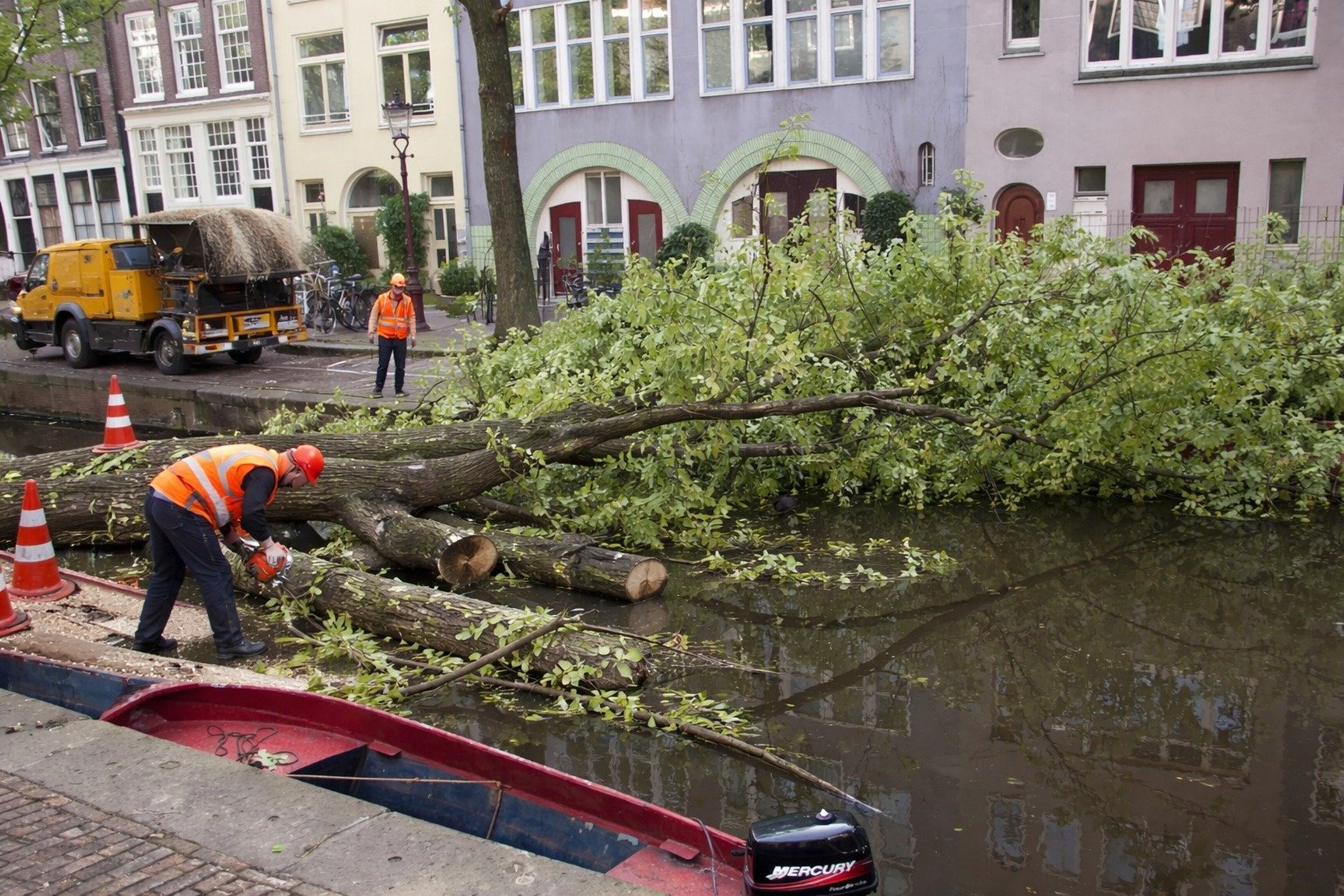
Insurance in the Netherlands
Insurance plays an important role in everyday life in the Netherlands. With large areas of the country located below sea level, risk management has long been part of Dutch culture. In recent years, insurance premiums have accounted for a significant share of national spending, representing around 8.5% of GDP in 2022, although this figure has declined compared to previous decades.
A substantial portion of insurance in the Netherlands is legally required, while other policies are optional but widely used. Understanding which types of insurance you must have — and which are recommended — is essential for residents and expats alike.
This guide explains the basics, including mandatory coverage, optional policies, and how to deal with insurers.
Overview of insurance in the Netherlands
Insurance providers and other financial institutions in the Netherlands operate under the Financial Supervision Act (Wet op het financieel toezicht – Wft). Oversight is carried out by two main authorities:

- Authority for the Financial Markets (AFM)
- De Nederlandsche Bank (DNB)
There are three main categories of insurers in the Netherlands:
- Life insurers (levensverzekeraars)
- Non-life and health insurers (schade- en zorgverzekeraars)
- Reinsurers (herverzekeraars)
To operate legally, insurers must be registered with the DNB. In recent years, the Netherlands has had more than 130 registered insurance companies, the vast majority of which are members of the Association of Insurers (Verbond van Verzekeraars).
Which insurance is legally required in the Netherlands?
Health insurance
All residents aged 18 or older — including expats with a valid residence permit — are legally required to take out basic Dutch health insurance (zorgverzekering). This covers essential medical care such as GP visits, hospital treatment, and prescribed medication. Children under 18 are automatically insured under their parent’s or guardian’s policy.
You are generally not required to take out Dutch health insurance if:
- You stay in the Netherlands for less than three months
- You are an international student who does not work alongside your studies
However, international students must take out Dutch health insurance if they are employed, even on a part-time or zero-hour contract.
The Netherlands has both domestic and international health insurers. International policies are often popular with expats who move between countries.
Well-known health insurers include:
- Allianz Care
- Cigna Global
- FBTO
- ONVZ
- Zilveren Kruis
Home insurance
Home insurance is not legally mandatory, but most Dutch banks require it when you purchase a property with a mortgage. Building insurance (opstalverzekering) usually covers damage caused by fire, storms, flooding, burglary, and vandalism.
If you rent a property, you may be asked to take out:
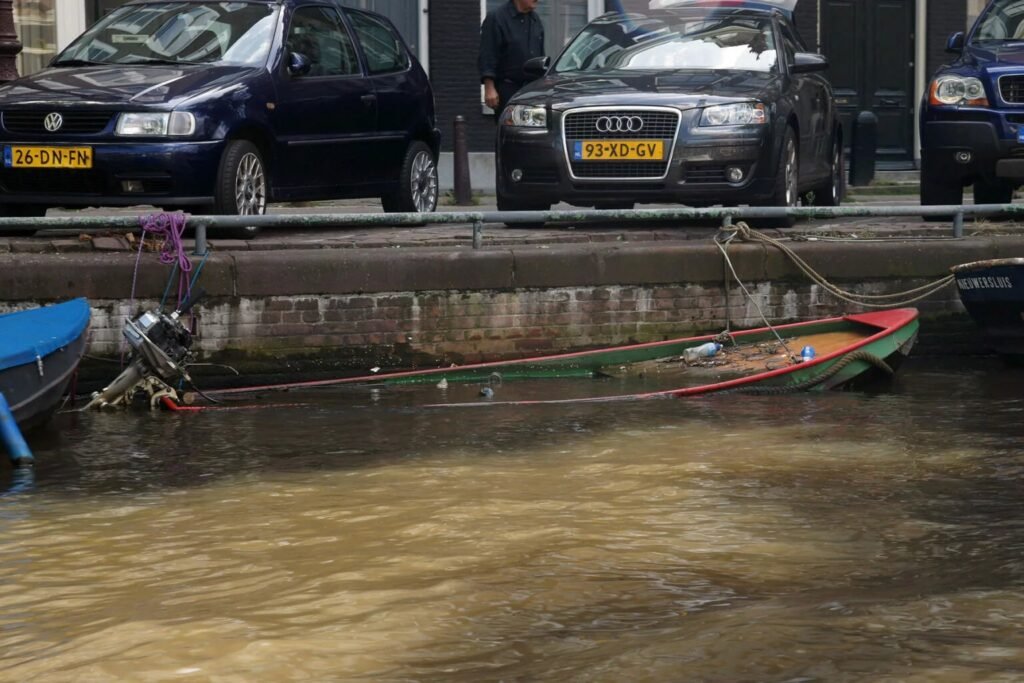
- Liability insurance (aansprakelijkheidsverzekering) – covers damage you cause to others or their property
- Contents insurance (inboedelverzekering) – covers personal belongings such as furniture, electronics, and clothing
Popular home insurance providers in the Netherlands include:
- ABN AMRO
- a.s.r.
- Centraal Beheer
- FBTO
- InShared
- Lemonade
- Univé
Motor vehicle (car) insurance
Anyone who owns a car, motorcycle, or scooter in the Netherlands must have at least third-party liability insurance (WA-verzekering). This covers damage or injury caused to others.
Additional coverage options may include:

- Damage to your own vehicle
- Theft or vandalism
- Storm or animal collision damage
- Roadside assistance
In the Netherlands, car insurance is linked to the vehicle, not the driver. This means the vehicle owner remains legally responsible even if someone else is driving.
Common car insurance providers include:
- ABN AMRO
- Centraal Beheer
- FBTO
- InShared
- Univé
Which forms of insurance are optional?
In addition to mandatory coverage, many residents choose optional insurance policies to reduce financial risk and increase peace of mind. Common examples include:
- Accident insurance (ongevallenverzekering)
- Bicycle insurance (fietsverzekering)
- Funeral insurance (uitvaartverzekering)
- Grave or memorial insurance (grafmonumentenverzekering)
- High-value contents insurance (kostbaarhedenverzekering)
- Legal insurance (rechtsbijstandverzekering)
- Life insurance (levensverzekering)
- Mortgage protection insurance (woonlastenverzekering)
- Pet insurance (dierenverzekering)
- Travel and cancellation insurance (reis- en annuleringsverzekering)
Commercial insurance in the Netherlands
Running a business or working as a freelancer involves additional risks. While business insurance is usually not mandatory, it is strongly recommended.
Common commercial insurance options include:

- Absence insurance (verzuimverzekering)
- Business liability insurance (bedrijfsaansprakelijkheidsverzekering)
- Professional liability insurance (beroepsaansprakelijkheidsverzekering)
- Disability insurance (arbeidsongeschiktheidsverzekering)
- Inventory and stock insurance (inventaris- en voorraadverzekering)
- Transport insurance (transportverzekering)
- Event insurance (evenementenverzekering)
How to choose an insurance company in the Netherlands
Price alone should not determine your choice. When comparing insurers, consider:
- Coverage details – check exclusions carefully
- Deductibles – higher deductibles lower premiums but increase claim costs
- Claims handling – research customer experiences and claim processing times
- Language support – ensure English documentation is available if needed
Comparison websites commonly used in the Netherlands include:
- Independer
- United Consumers
How to complain about an insurer in the Netherlands
If you have a dispute with your insurer, first try to resolve it directly with the company. If this fails, you can file a complaint with:
- Kifid
Kifid offers independent mediation, often free of charge. If disciplinary action is required, cases may be referred to the Insurers Disciplinary Board (Tuchtraad Verzekeraars).
Legal action is also possible, but this usually prevents further use of Kifid’s mediation services.
Useful resources
- De Nederlandsche Bank – public register of insurers
- Kifid – insurance complaints mediation
- Association of Insurers