

How to transfer money to and from the Netherlands
Sending or receiving money to or from the Netherlands is generally efficient and secure, thanks to the country’s well-developed banking system and wide range of digital financial services.

Whether you are making occasional international payments or managing cross-border finances on a regular basis, understanding your available options can help reduce costs, avoid delays, and ensure funds arrive safely.
This guide explains the main ways to transfer money to and from the Netherlands, including traditional banks, online services, and alternative transfer methods.
Transferring money in the Netherlands
From established banks to mobile-first financial platforms, there are several practical ways to send money internationally from the Netherlands.

The most common options include:
- Bank transfers
- Online money transfer services
- Wire transfer services
- Forex brokers
- Cryptocurrency
The cost, speed, and convenience of each option depends on the destination country and the provider used.
Common international transfer methods compared
| Service | Ease of use | Cost | Speed | Summary |
|---|---|---|---|---|
| Bank transfer | Requires a bank account; completed online, via app, or in branch | Higher fees and exchange rate markups | Slower outside the EU | Very secure, but often more expensive |
| Online transfer service | Online or app-based; paid via bank or card | Lower fees and clearer pricing | Fast | Cost-effective and convenient |
| Wire transfer service | Online, app, or in person | Higher fees and FX margins | Fast | Useful when recipient lacks a bank account |
SEPA and SWIFT payments
Banks and transfer providers rely on international payment systems to move money across borders. The two most common are:
SEPA (Single Euro Payments Area)
SEPA enables euro transfers within participating European countries. Transfers are usually fast and low-cost, requiring only the recipient’s name and IBAN.
SWIFT (Society for Worldwide Interbank Financial Telecommunications)
SWIFT is used for international transfers beyond Europe and supports over 200 countries. Transfers typically require the recipient’s BIC/SWIFT code and are slower and more expensive than SEPA payments.
How to send money from the Netherlands using your bank
Using a traditional bank is one of the safest ways to send money abroad, though it can be slower and more expensive than alternative options.
Most Dutch banks require transfers to be initiated online or via mobile banking. Some also offer in-branch services.
A commonly used Dutch bank is ABN AMRO, which provides international transfer services through both online banking and its mobile app.
How much do bank transfers cost in the Netherlands?
Bank transfers usually involve two main costs:

- A fixed transfer fee, often between €15–30 for international payments
- An exchange rate margin, typically around 1–3% above the mid-market rate
In addition, the recipient’s bank may deduct a receiving fee, especially for SWIFT transfers.
How long do international bank transfers take?
- SEPA transfers: Usually arrive within one working day
- SWIFT transfers: Can take several days, and occasionally up to a week
Some banks offer expedited transfers for an additional charge.
Sending money from your Dutch bank: what you need
- Recipient’s full name and IBAN
- BIC/SWIFT code (for non-SEPA transfers)
- Any additional bank-specific information
Incorrect or incomplete details can result in delays or returned payments.
How to receive money in the Netherlands via bank transfer
To receive money by bank transfer, you typically need to provide the sender with:
- Your full name
- Your IBAN
- Your BIC/SWIFT code (if sending from outside Europe)
Sending money by mobile bank
Mobile-only banks often provide competitive exchange rates and lower fees, making them popular for frequent international transfers.

Commonly used mobile banks include:
- bunq
- N26
How to send money from the Netherlands by online transfer service
Online money transfer services are among the fastest and most flexible options for international payments. Transfers are typically initiated via a website or mobile app.
Popular providers include:
- Wise
- Atlantic Money
- CurrencyFair
- PayPal
- Ria
- XE
Wise is frequently used by expats due to its transparent pricing and multi-currency account features, allowing users to hold and receive multiple currencies with local account details.
How much does it cost to make an online money transfer?
Online providers generally charge:
- A small upfront fee or percentage-based fee
- A currency exchange fee, which may or may not include a markup
Providers that separate fees from exchange rates make it easier to understand the total cost before sending.
How long do international online transfers take?
- Transfers within Europe: usually 1–2 working days
- Transfers outside Europe: typically 2–5 working days
Many providers display estimated delivery times before confirmation.
How to send money by online transfer
- Open an account and verify your identity
- Enter the amount and currencies
- Select transfer speed
- Add recipient details
- Pay via bank transfer or card
- Track and confirm delivery
How to receive money in the Netherlands by online transfer
If the sender has your correct details, funds will be deposited directly into your account.
Some providers allow you to receive money using local account details in multiple currencies, which can reduce international fees.
How to send money internationally by wire transfer in the Netherlands
Wire transfer services allow you to send money without using a traditional bank. Payments can be made online, via app, or in person.
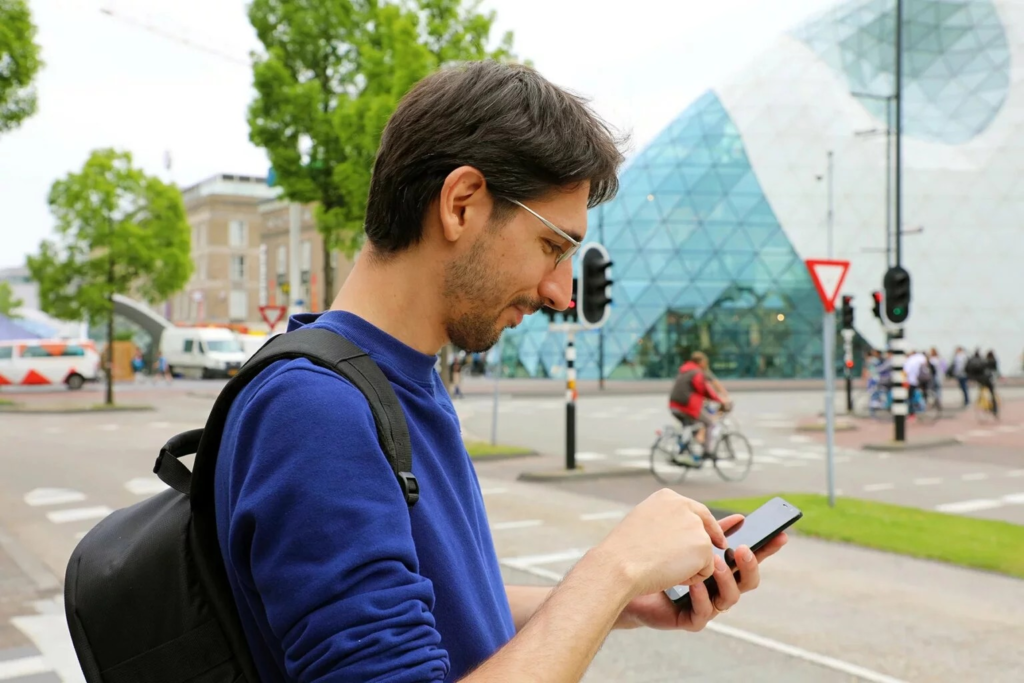
Major wire transfer providers include:
- Western Union
- MoneyGram
These services are useful when recipients need cash pickup or do not have a bank account.
How much do international wire transfers cost?
Wire transfers often involve:
- Low upfront fees
- Less competitive exchange rates
Cash pickup options are typically more expensive than bank deposits.
How long do international wire transfers take?
- Cash pickup: often minutes
- Bank deposit: same day to several business days
How to receive money by wire transfer in the Netherlands
To receive funds, you may need:
- Government-issued ID
- Sender’s name and reference number
How to avoid scams when using wire transfers
- Only send money to people you know and trust
- Be cautious of urgent requests for wire transfers
- Remember that wire transfers are often irreversible

Sending money by forex broker in the Netherlands
Forex brokers may be suitable for large or recurring transfers. They can offer better exchange rates but usually require more setup and financial knowledge.
This option is generally best for businesses or individuals transferring significant amounts.
Sending money via cryptocurrency in the Netherlands
Cryptocurrency transfers can be fast but involve higher risk due to volatility and limited regulation.
Both sender and recipient need compatible wallets, and transaction fees apply. This method is not generally recommended for everyday transfers.
Factors to consider when sending money to and from the Netherlands
- Cost: Fees and exchange rate margins
- Speed: Standard vs express transfers
- Convenience: Account setup and verification
- Security: Regulation and provider reputation
- Destination: Availability in the receiving country
Safety and security for international money transfers
International transfers are widely used and generally safe, particularly within the EU. However, it’s important to:

- Choose regulated providers
- Compare exchange rates with reliable benchmarks
- Watch for hidden fees
- Stay alert to scams
Providers operating under EU regulation use security measures such as encryption, two-factor authentication, and compliance monitoring.
Useful resources
- Investopedia – understanding IBANs
- Business.nl.gov – reporting fraud and scams
- Forbes Advisor – IBAN vs SWIFT explained