
Housing in the Netherlands: A Complete Guide for Expats
Moving to the Netherlands often means navigating a housing market that can feel unfamiliar and competitive, especially for newcomers. From finding the right type of home to understanding rent and purchase rules, this guide explains what you need to know — step by step.
This article covers:
- Overview of housing in the Netherlands
- Renting vs buying
- Types of homes
- How to find a house or apartment
- Rent prices in the Netherlands
- Tenant rights and obligations
- Rental contracts and deposits
- Utilities and additional costs
- Buying property
- Mortgage basics
- Taxes related to housing
- Useful resources
Overview of housing in the Netherlands
Whether you’re here for work, study, or long-term settlement, finding suitable housing is one of the first major life steps you’ll take in the Netherlands. The housing market varies widely across cities and regions — places like Amsterdam, Utrecht, and The Hague have high demand and higher prices, while smaller towns and rural areas tend to be more affordable.
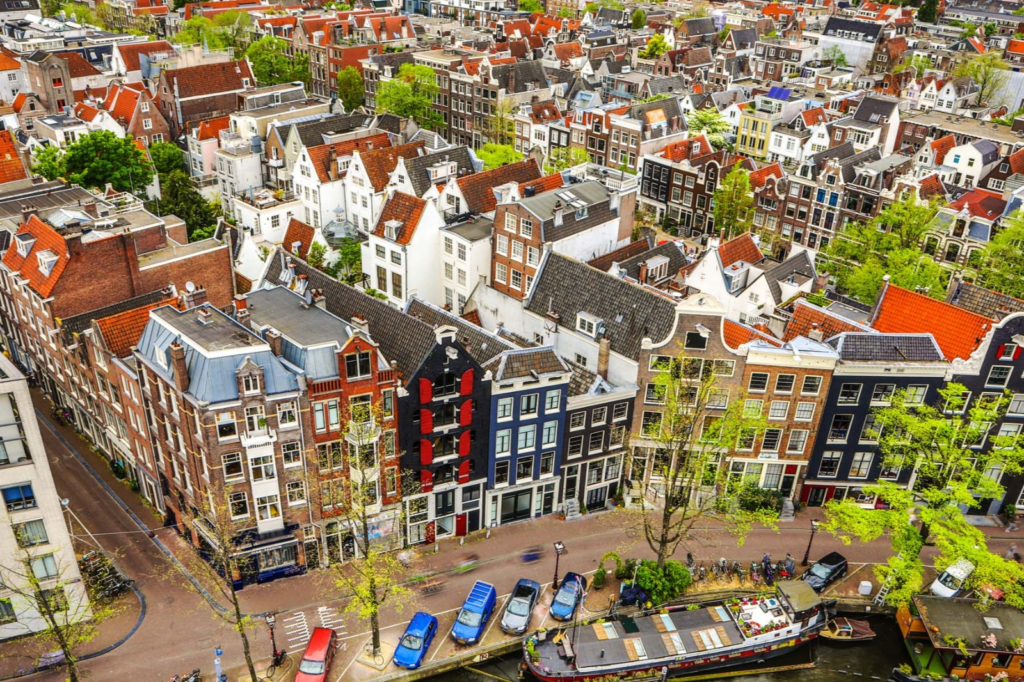
Overall, the Dutch housing market is well organized but can be competitive. Public and private rental options exist, and homeownership is common among longer-term residents.
Renting vs Buying
Renting
Renting is often the first choice for expats, as it offers flexibility and fewer upfront costs. Rental properties fall into two broad categories:
Social rental housing (sociale huur):
These are government-regulated homes with capped rents, designed to be affordable based on income. Social housing is common but in high demand, often with long waiting lists.
Private rental housing (vrije sector huur):
These are market-rate rentals offered by private landlords. Prices are generally higher than social housing but more readily available for expats.
Buying
Purchasing a home is more expensive upfront but can be a good long-term investment. Foreigners are allowed to buy property in the Netherlands, although the process differs from renting and often involves more legal and financial complexity.
Types of Homes
Dutch homes vary from city apartments to family houses in suburbs. Common housing types include:
- Apartments (appartementen): Most common in cities
- Row houses (rijtjeshuis): Attached homes sharing walls with neighbours
- Detached houses (vrijstaande huizen): Standalone homes with more space
- Maisonettes / duplexes: Multi-level units in residential buildings
How to Find a House or Apartment
Online Portals
The most popular way to find housing is through online listings. Common platforms include:
- Funda.nl
- Pararius.com
- Kamernet.nl (especially for rooms and student housing)
- Expatica housing directories
These sites let you filter listings by price, location, size, and rental conditions.
Estate Agents and Relocation Services
Many expats also use estate agents (makelaars) or relocation firms to help find housing — especially in high-demand cities. Be aware that agents may charge fees, and sometimes these costs fall on the tenant.
Rent Prices in the Netherlands
Rent levels vary widely depending on the city and neighbourhood. Major cities like Amsterdam, Utrecht, and Rotterdam typically have the highest rents, particularly within walking distance of the city centre.
Prices also depend on the type of housing:
- Studios and small apartments: usually lower cost
- Larger family homes: higher rent
- Furnished vs unfurnished: furnished places often cost more
In general, expect urban rentals to be significantly higher than those in smaller towns.
Tenant Rights and Obligations
Dutch law provides strong protections for renters, including:
- Rent control measures for social housing
- Requirements for written contracts
- Regulations on rent increases
Tenants also have responsibilities:
- Paying rent on time
- Maintaining the property (cleaning, minor repairs)
- Respecting neighbours and local rules
Landlords must provide reasonable notice before entering properties and may only increase rent under specific conditions.
Rental Contracts and Deposits
Rental agreements in the Netherlands typically include:
- Contract duration (fixed term or indefinite)
- Rent amount and payment details
- Deposit (borg) — usually one to three months’ rent
- Utilities and other charges
Always read contracts carefully before signing — translation help may be useful if Dutch is not your first language.
Utilities and Additional Costs
Rent is not the only cost. Expect additional monthly bills for:
- Electricity and gas (energie)
- Water (water)
- Internet and TV
- Municipality taxes (gemeentebelastingen)
- Waste collection
Some landlords include utilities in the monthly rent; others require separate contracts.
Buying Property
Purchasing a home in the Netherlands involves:
- Finding a property
- Working with a notary (notaris)
- Mortgage arrangements
- Transfer tax and registration
Foreign buyers do not need to be residents, but securing a mortgage is generally easier for those with stable Dutch income and residency.
Mortgage Basics
Mortgages in the Netherlands vary by lender, but common features include:
- Fixed or variable interest rates
- Loan-to-value limits
- Term lengths (often 20–30 years)
A Dutch mortgage advisor (hypotheekadviseur) can help you compare options, understand costs, and prepare documentation.
Taxes Related to Housing
Homeowners and renters alike encounter taxes and charges such as:
- Property transfer tax on purchase
- Local property taxes (onroerendezaakbelasting)
- Income tax considerations for rental income
Consult a financial advisor for tax implications specific to your situation.
Useful Resources
To assist with your housing journey in the Netherlands, here are some helpful resources:
- Funda – housing marketplace
- Pararius – rental search platform
- Kamernet – rooms and shared housing
- Your local gemeente – registration and permit information
- Expatica Housing Directory – expat-friendly services
Final Tip
Whether you’re renting short-term or buying your long-term home, start early and research thoroughly. The Dutch housing market moves quickly, but with patience and preparation, you’ll find a place that feels like home.