

Guide to doctors and GPs in the Netherlands
Looking for a doctor in the Netherlands? This guide explains how to register with a GP, book appointments, and access medical care with confidence.

The Dutch healthcare system is known for being reliable, structured, and accessible to residents and expats alike. Whether you need a routine GP visit, ongoing care, or a referral to a specialist, the process is simple once you understand how it works.
This guide explains how to find a doctor, what to expect during appointments, and how costs and insurance work in the Netherlands.
You’ll find information on:
- Overview of doctors in the Netherlands
- Family doctors (GPs) in the Netherlands
- Medical specialists in the Netherlands
- Who can see a doctor in the Netherlands?
- How to find a doctor near you
- Seeing a doctor in Amsterdam
- How to see a doctor in the Netherlands: step-by-step
- Costs of doctor visits
- Health insurance requirements
- Overview of medical services
- Prescription medications
- Complaints and patient rights
- Practical medical words in Dutch
- Useful resources
Overview of doctors in the Netherlands
The Netherlands has one of the most comprehensive healthcare systems in Europe, covering almost all residents, including expats. Healthcare is funded through mandatory, government-regulated private health insurance, ensuring access to GP care, specialist treatment, and emergency services.

According to recent EU health data, the Netherlands has slightly fewer doctors per capita than the EU average. However, the system is GP-centered, meaning most care is efficiently managed through family doctors before specialist referral.
All doctors practicing in the Netherlands must be registered in the BIG register and comply with standards set by the Ministerie van Volksgezondheid, Welzijn en Sport.
Family doctors or GPs in the Netherlands
General practitioners (huisarts) are your first point of contact for nearly all non-emergency medical issues. They work from individual practices or group clinics (huisartsenpraktijk).
Key points about Dutch GPs:
- You are free to choose your GP
- The practice must be located near your home
- Typical opening hours are Monday–Friday, 08:00–17:00
- GPs manage your medical records and long-term care
GPs handle:
- Routine health issues
- Basic examinations and tests
- Preventive care
- Referrals to specialists or hospitals
Medical specialists in the Netherlands
For specialized treatment, patients are referred to medical specialists (medisch specialisten), such as dermatologists, cardiologists, or neurologists.
Specialists usually work in:
- Hospitals
- Specialist clinics
- Private practices
In most cases:
- A GP referral is required for insured public care
- Private or non-contracted specialists may accept patients without a referral
Public-sector specialists typically work during standard business hours, while private clinics may offer extended availability.
Who can see a doctor in the Netherlands?
Medical care is accessible to everyone, including:
- Residents and expats
- Refugees and asylum seekers
- Tourists (emergency care)
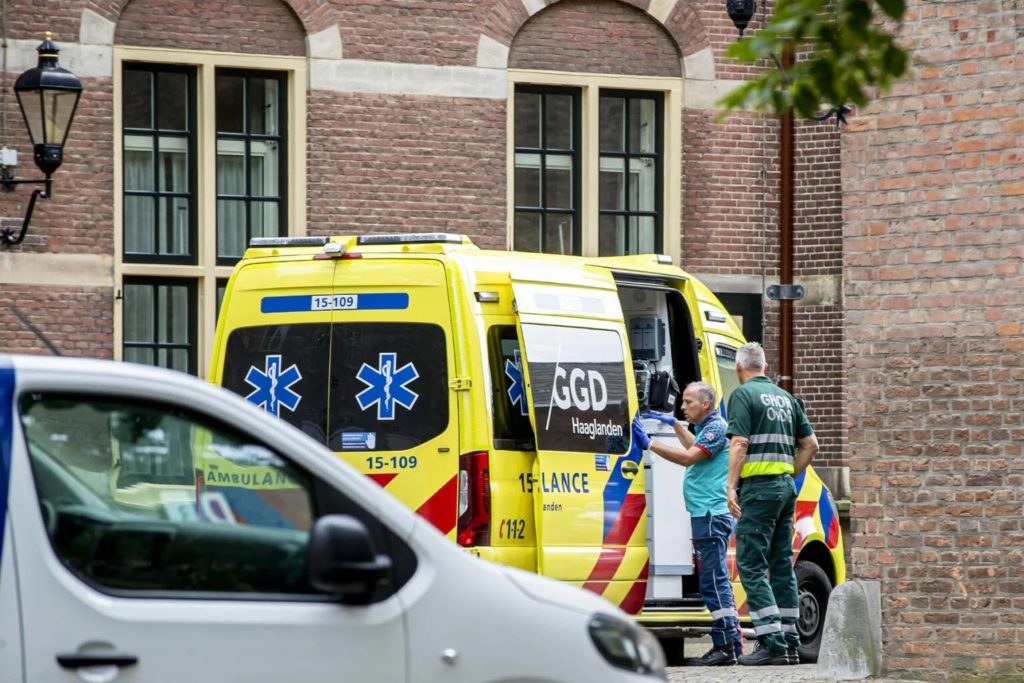
However, for non-urgent treatment, you will need:
- Dutch health insurance
- International insurance
- Or to pay out of pocket
Doctors can be either contracted or non-contracted with insurers:
- Contracted doctors are fully covered but may have longer wait times
- Non-contracted doctors often charge higher fees but offer more flexibility and longer consultations
How to find a doctor near me in the Netherlands?
Emergencies
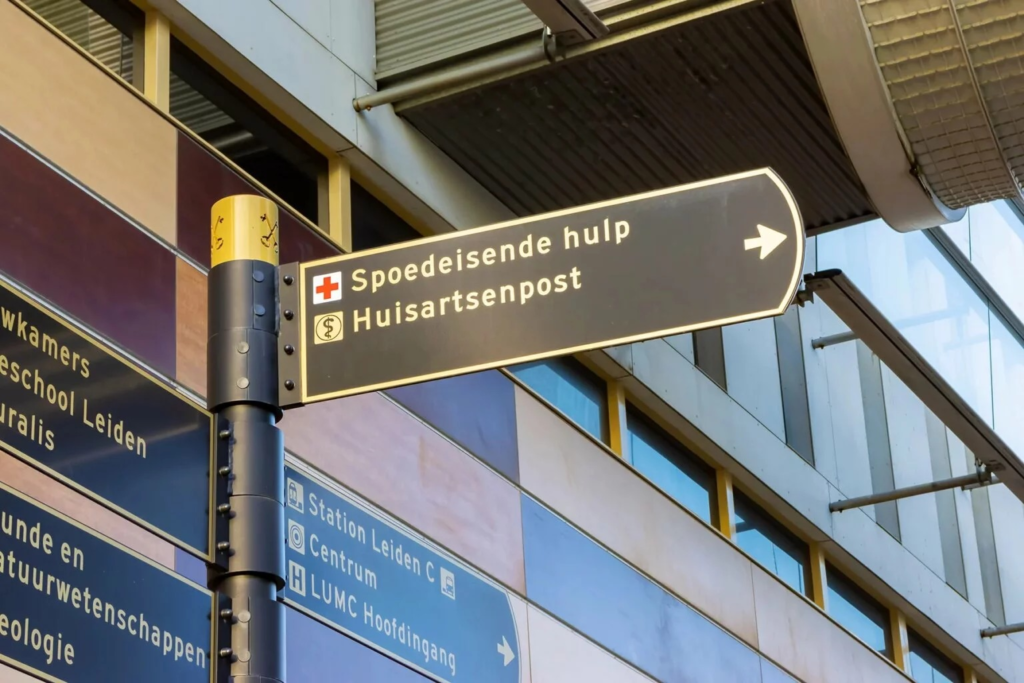
For life-threatening emergencies, call 112 or go directly to the nearest emergency department (spoedeisende hulp).
Non-emergency care
You can find doctors through:
- Zorgkaart Nederland
- Doctena (appointment booking)
- Local expat clinics
- GP out-of-hours services (huisartsenpost)
Out-of-hours GP services operate:
- Weekdays: 17:00–08:00
- Weekends: Friday 17:00 – Monday 08:00
- Public holidays: 24 hours
I need to see a doctor in Amsterdam
Amsterdam offers many English-speaking clinics and expat-friendly medical centers, including:
- Amsterdam Tourist Doctors
- Central Doctors (Amsterdam Central Station)
- GP Urgent Care Amsterdam
- Expat Medical Center
Online video consultations are also available through local telemedicine providers.
How to see a doctor in the Netherlands: step-by-step
Step 1: Register with a local GP
Registration is required before you can access routine care.
You’ll usually need:

- Valid ID
- BSN (citizen service number)
- Health insurance details
Some practices may request a brief intake appointment to review your medical history.
Step 2: Book an appointment
Most GP visits require an appointment, booked:
- By phone
- Through the clinic website
- Via platforms like Doctena
Waiting times are usually short (same day or within a few days). Missed appointments or late cancellations may be charged.
Step 3: Visit the health center
Check in with reception on arrival. Consultations typically last 10–15 minutes. Home visits are uncommon and only arranged when medically necessary.

How to communicate effectively with Dutch doctors
Dutch doctors are known for being direct and practical. This is not impolite—it helps them assess symptoms efficiently.
Tips:
- Be clear and specific
- Explain how symptoms affect daily life
- Ask questions if something is unclear
How much do doctor visits cost in the Netherlands?
Without insurance:
- GP visit: approx. €150–€180
- Out-of-hours GP: €220+
- Specialist visit: €100–€200+
With Dutch health insurance:
- GP visits are fully covered
- Specialist care and medication are subject to the annual own-risk deductible (eigen risico)
Non-contracted providers may result in partial reimbursement only.
Do I need health insurance in the Netherlands?
Yes. Health insurance is mandatory for all residents.
Key points:
- Basic insurance covers essential medical care
- Some services require out-of-pocket payment or supplementary insurance
- Both Dutch and international insurers operate in the Netherlands
Popular expat-friendly insurers include:
- Allianz Care
- Cigna Global
Overview of Dutch doctors’ services
Prescription medications
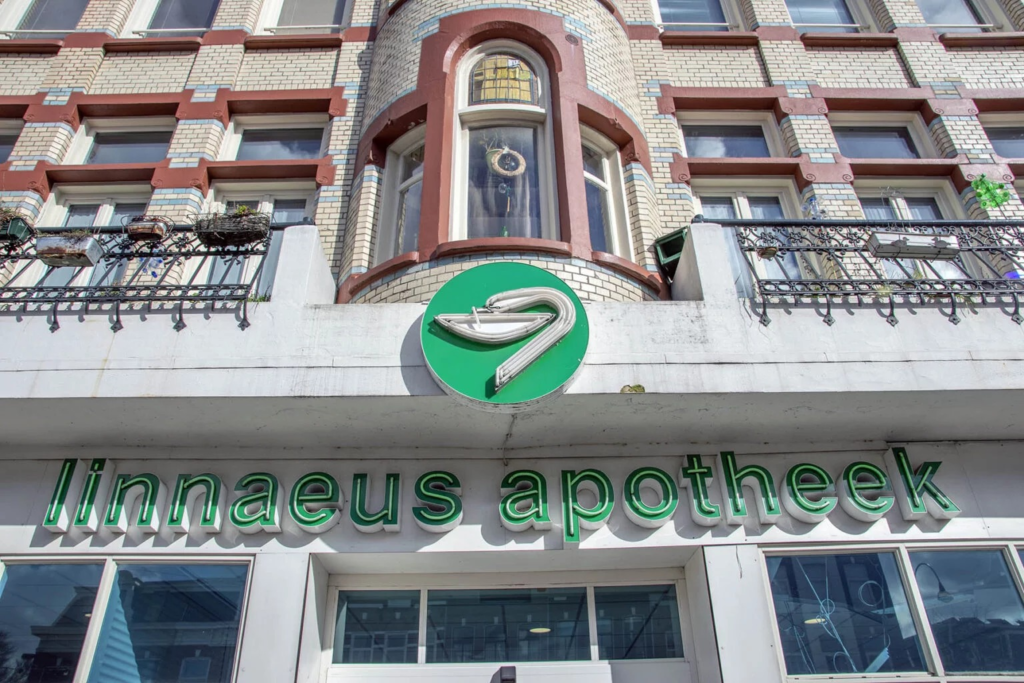
Doctors prescribe medication when medically necessary. Prescriptions can be filled at any pharmacy (apotheek).
Medication costs:
- Covered by insurance
- Paid by the patient until the annual deductible is reached
Emergency pharmacies (dienstapotheek) operate outside normal hours.
How to complain about a doctor in the Netherlands
If you’re dissatisfied with medical care:
- Contact the doctor or clinic directly
- Escalate to a healthcare disputes committee (geschilleninstantie)
- For serious cases, contact the Tuchtcollege voor de Gezondheidszorg
Advice and guidance are available via the Landelijk Meldpunt Zorg.
All procedures are conducted in Dutch.
Practical medical words in Dutch
| English | Dutch |
|---|---|
| General practitioner | huisarts |
| doctor’s office | dokterspraktijk |
| appointment | afspraak |
| pain | pijn |
| headache | hoofdpijn |
| stomach ache | buikpijn |
| back pain | rugpijn |
| fever | koorts |
| cough | hoest |
| prescription | voorschrift |
| painkiller | pijnstiller |
Useful resources
- Rijksoverheid – healthcare system information
- Zorgverzekeringslijn
- Zorgkaart Nederland