
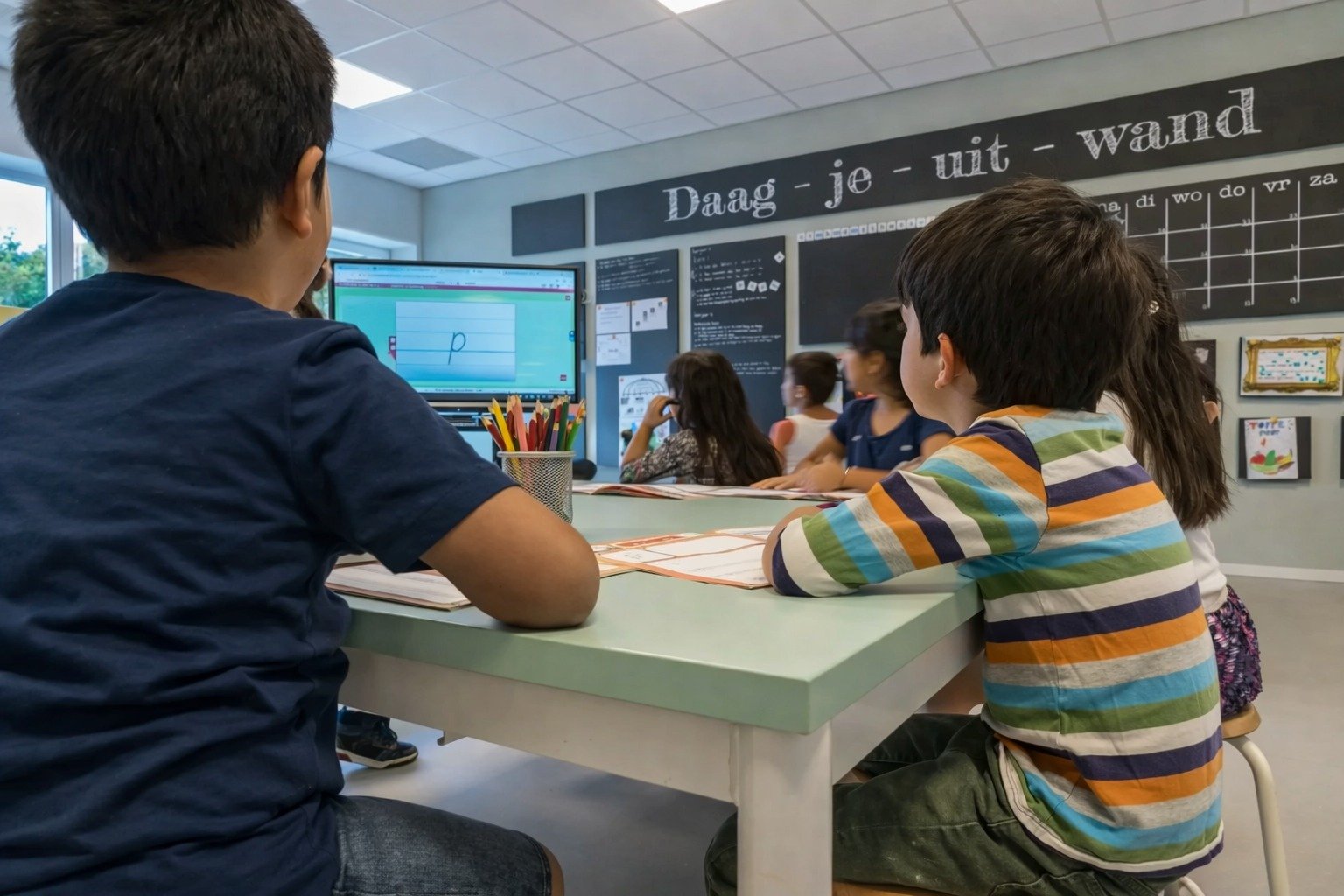
The education system in the Netherlands
The Dutch education system offers families a wide range of choices. While it is known for its strong quality and accessibility, it can feel complex—especially for families relocating from abroad. School policies can also vary by city, which makes early research especially important.
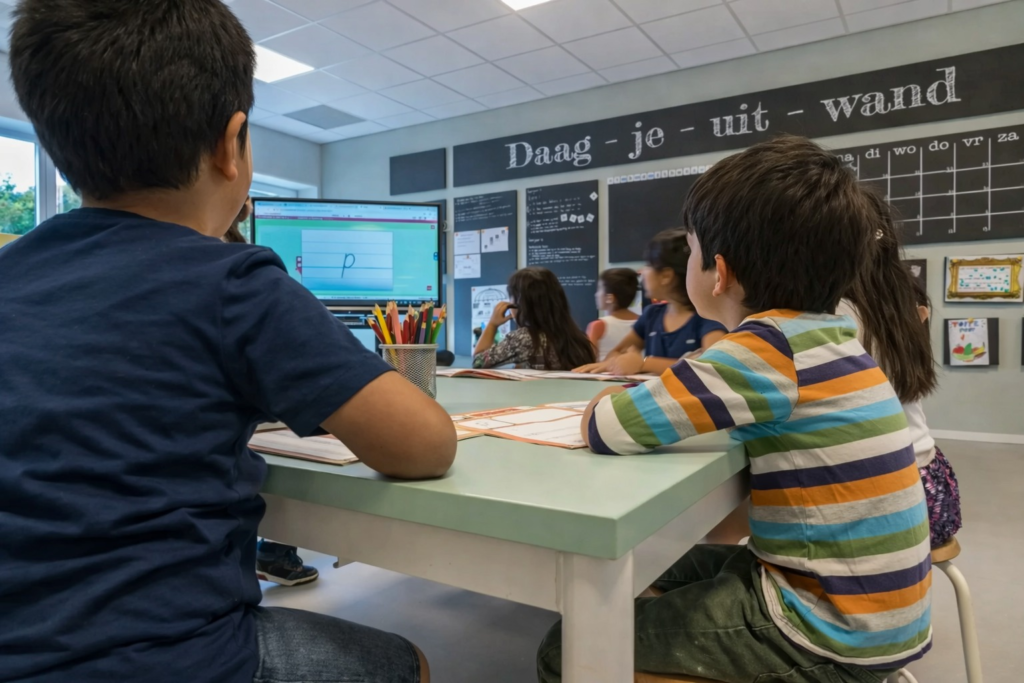
One unique feature of the Dutch system is that public, religious, and philosophy-based schools have received equal government funding since 1917. This ensures that families can choose an educational approach that aligns with their values without compromising quality.
The Netherlands is also home to many international and bilingual schools, some of which receive government subsidies. Education options exist at every level, from early childhood through higher education.
Education in the Netherlands: How It Works
Children may start primary school the day after their fourth birthday, although attendance becomes compulsory from age five. Primary education consists of eight grades (Group 1 to Group 8), typically completed by age 12.
After primary school, students move on to secondary education. Compulsory schooling continues until the end of the school year in which a child turns 16. If a recognised diploma has not yet been obtained, students must continue studying until age 18, either full-time or part-time.
School Fees and Parental Contributions
Education at government-funded schools is free of charge. However, schools often request a voluntary parental contribution, which helps cover additional activities such as excursions, celebrations, cultural projects, or extracurricular programs. Some schools adjust this contribution based on household income.
The Ministry of Education sets national quality standards and learning objectives, while individual schools decide how to organise their curriculum and budget. School attendance laws are strict, and absences are only allowed for specific, approved reasons.
School Holidays in the Netherlands
School holidays are set nationally, with staggered schedules across three regions to reduce travel congestion. The summer holiday lasts six weeks, and shorter breaks occur throughout the year after each school period.
Private and international schools may follow different calendars, but the academic year must include at least 40 weeks of instruction.
Quality of the Dutch Education System
The Netherlands consistently performs well in international education rankings and is widely recognised for both academic quality and equal access to education. Dutch universities regularly rank among the top institutions worldwide.
To keep education future-ready, the government continues to update the national curriculum in collaboration with educators and specialists.
Preschool Education
Before primary school, children may attend daycare or preschool. Daycare typically serves children from infancy to age four, while preschool usually begins at age two and focuses on early development.
Preschool programs support language development, social skills, and motor skills in a structured but playful environment. Financial support is available through tax benefits or municipal subsidies, depending on parental employment status.
Primary Education
Primary schools are divided into public and special schools. Public schools are non-religious, while special schools may follow religious or educational philosophies. Most are open to children from all backgrounds.
Early years focus on learning through play, with formal reading and writing beginning around age six. Class sizes average between 23 and 24 students, although this may be higher in urban areas.
Educational Philosophies
Many families choose schools based on educational philosophy. Common approaches include:
- Montessori – independence and self-paced learning
- Dalton – planning, responsibility, and collaboration
- Jenaplan – community-based learning
- Waldorf (Vrije School) – creative, story-based education
Understanding how a philosophy is applied in practice is essential, as implementation varies by school.
School Hours and After-School Care
School hours are determined by individual schools, typically starting around 8:30am and ending mid-afternoon. Lunch arrangements vary, and some schools operate a continuous schedule with shorter breaks.
Wednesdays usually end early, and after-school care is widely available through external organisations. Parents arrange and pay for this separately, though financial support may be available.
Bilingual Education
English is introduced as a subject by age 10 at the latest, though many schools begin earlier. Some schools offer bilingual programs where part of the curriculum is taught in English, while assessments remain in Dutch.
These schools follow the Dutch curriculum and are designed for children who will continue their education within the Dutch system.
Student Testing and Reports
Dutch primary schools focus on monitoring progress rather than frequent homework or high-pressure testing. Progress is tracked using a pupil monitoring system, which helps identify learning needs early.
Formal school reports are typically issued twice per year, and repeating or skipping a year is socially accepted if it benefits the child.
In the final year of primary school, pupils take a nationally approved end test. Combined with teacher assessment, this determines the recommended secondary education pathway.
Secondary Education
There are three main secondary education levels:
- VMBO – vocational preparation
- HAVO – general education leading to applied sciences
- VWO – pre-university education
Many schools offer a mixed bridge year before final placement. Movement between levels is possible, though it may extend the total study time.
International and Special Needs Schools
The Netherlands offers both subsidised and private international schools, many teaching in English and following international curricula. Special needs education is supported through inclusive policies, with tailored support available in mainstream schools or specialised institutions when required.
Higher Education
After secondary school, students may continue into vocational education (MBO), universities of applied sciences (HBO), or research universities (WO). Tuition fees are relatively low compared to many countries, and financial support options are available.
Many degree programs are offered in English, making higher education accessible to international students.
Homeschooling in the Netherlands
Homeschooling is generally not permitted, except in very limited circumstances. Families considering this option should seek legal advice early, as entering and exiting the Dutch education system can be challenging.
How Relo Reunite Can Help
Understanding the Dutch education system takes time—but you don’t have to navigate it alone. Relo Reunite supports families with school selection, enrollment guidance, language support options, and long-term education planning.