Dutch toilets explained
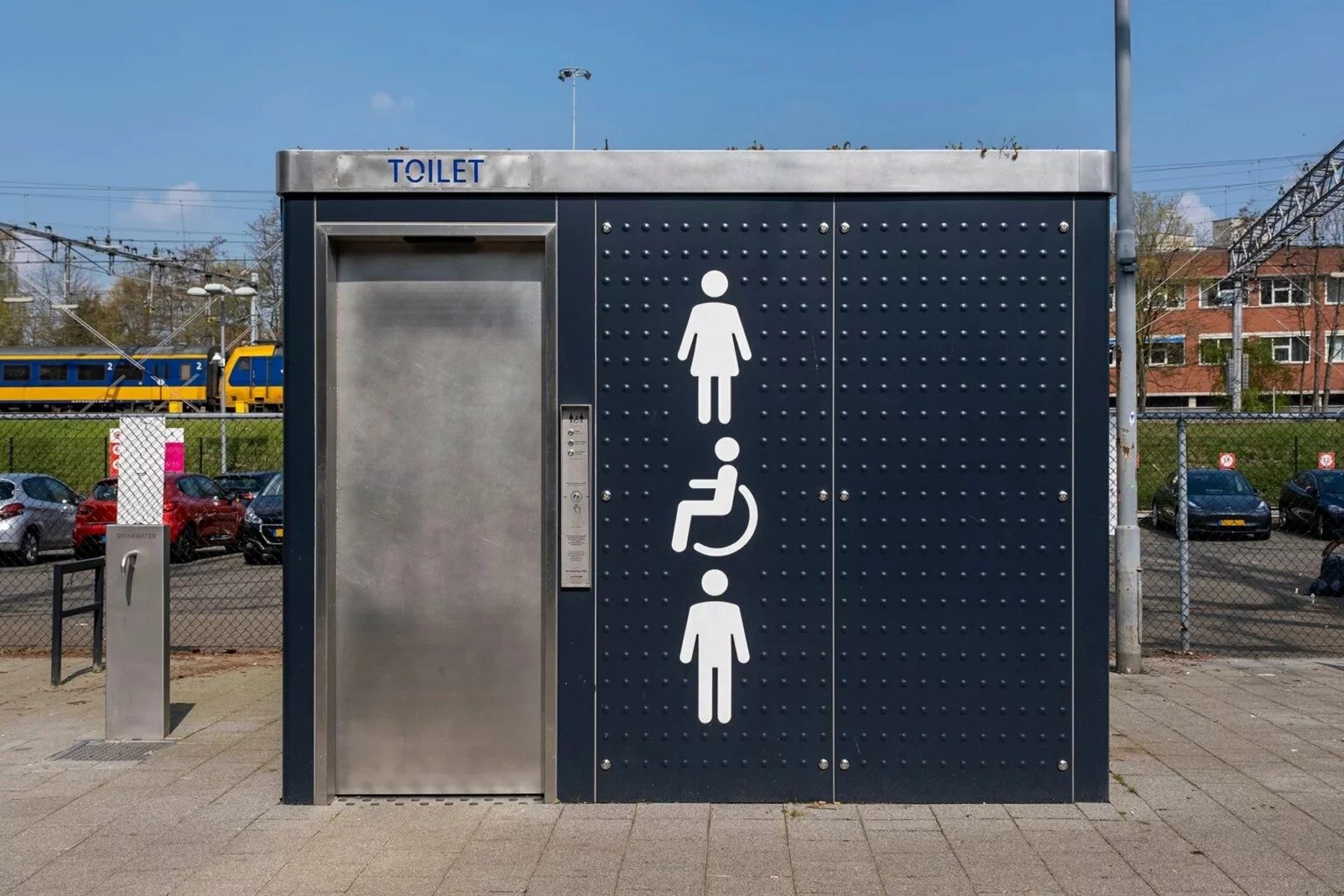
Take a plunge into the peculiar world of Dutch toilets — from pay-to-pee customs to the infamous (and much-debated) inspection shelf. You’ve just arrived in the Netherlands and are getting used to the language, the customs, and everyday life. Then nature calls. Simple enough, right? In theory, yes. In practice, Dutch toilets come with a few surprises. From paid public restrooms to bowl designs that invite… reflection, here’s everything you need to know to avoid confusion (and mild culture shock). What’s so special about the Dutch toilet? Dutch toilets tend to be located in the smallest room imaginable — just enough space to turn around, sit down, and reconsider your life choices. But size aside, you’ll quickly notice a few uniquely Dutch features: One important cultural note: never write your own birthday on the calendar. These are typically reserved for family members and close friends. Adding yourself is considered peak awkwardness. When it comes to flushing, variety is the spice of life. You may encounter: Cisterns themselves vary wildly — visible, hidden, mounted high, or built into the wall. Expect the unexpected. Why are there (almost) no public bathrooms in the Netherlands? If you’re out and about and suddenly need a toilet, your options may feel limited. Unlike many countries, free public restrooms are rare in the Netherlands. Most public toilets require payment, typically to cover cleaning and maintenance costs. While this can be frustrating, it does mean facilities are (theoretically) better maintained. Tip: Download the HogeNood app to locate and review nearby toilets — it can be a lifesaver. Public urinals: if you don’t mind being on display For those who prefer not to pay, there’s another option: public urinals. These are especially common during festivals, parades, and national celebrations. You’ll spot sturdy, plastic, four-sided structures with open compartments. Privacy is minimal, and confidence is essential. Some urinals are permanent fixtures, while others remain hidden underground until major events like King’s Day. Traditionally, these facilities were designed for men only. To address this imbalance, Dutch inventor Moon Zijp developed the P-Mate (also known as the She-Pee), allowing women to use urinals discreetly. It’s practical, portable, and very Dutch in its problem-solving spirit. How much do you have to pay for the toilet? Most public toilets charge between €0.50 and €1. The price depends on the city and location. In the past, payment was overseen by a toiletjuffrouw — a restroom attendant seated at a small table with a dish of coins. Payment etiquette varied: sometimes you paid after, sometimes before, especially during busy events. Today, digital payment systems have largely replaced attendants. Many restrooms now unlock only after you pay at a machine. Having to pay means they’re clean, right? You’d hope so — but reality is mixed. According to the 2023 National Toilet Survey, fewer than half of public toilets in the Netherlands meet cleanliness standards. Women’s restrooms tend to be slightly cleaner than men’s. The cleanest toilets are typically found in: Restaurants, bars, and cafés rank lowest in cleanliness. So yes, you’re paying — but cleanliness is not always guaranteed. So, what’s the shelf thing all about? The inspection shelf is the most talked-about feature of Dutch toilets. Unlike toilets in many other countries, Dutch bowls have a flat surface where waste lands before being flushed away. While shocking at first, this design has practical roots. Originating from Germany, the shelf allows for easy health checks — changes in diet, hydration, or health conditions can be noticed quickly. Additional benefits include: That said, the downsides are obvious. Waste doesn’t always disappear immediately, and cleaning may be required afterward. A toilet brush is your best friend — and so is the air freshener. Useful resources Once you understand the logic behind Dutch toilets, they become less strange — or at least more predictable. Until then, consider this your survival guide to one of the country’s most unforgettable cultural quirks.