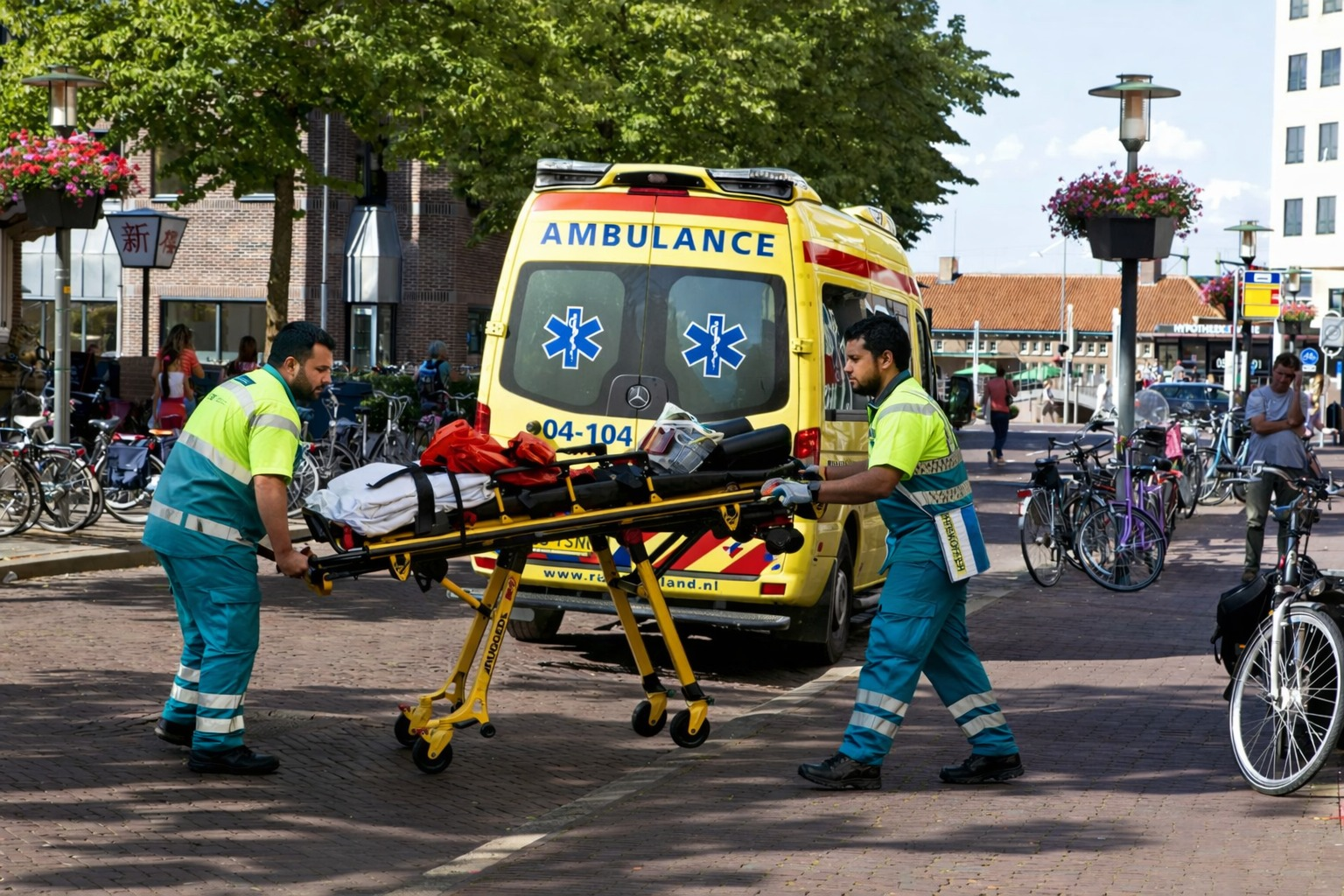
Guide to getting health insurance in the Netherlands in 2025
Health insurance is compulsory in the Netherlands. Whether you are moving for work, study, or long-term residence, understanding how the system works is essential. This guide explains how Dutch health insurance functions in 2025, who must be insured, how to apply, and what you can expect to pay. Below, you’ll find clear explanations covering eligibility, costs, registration steps, and special situations for expats, students, families, and short-term visitors. Health insurance in the Dutch healthcare system Is health insurance in the Netherlands public or private? The Dutch healthcare system is a regulated private system. The government determines what must be covered under basic health insurance, but private insurance companies deliver and administer the policies. Oversight of the system is handled by: All health insurers must be licensed and supervised by these authorities. Basic vs top-up health insurance in the Netherlands Every resident must have basic health insurance (basisverzekering). This mandatory policy covers essential medical care. However, many services are excluded, which is why most residents also choose supplementary insurance (aanvullende verzekering). What does Dutch basic health insurance cover? Each year, the government defines the contents of the basic package (basispakket). In 2025, this includes: Coverage is identical across insurers, but reimbursement depends on whether your provider is contracted with your insurer. Why take supplementary health insurance in the Netherlands? Basic insurance does not fully cover services many people consider essential, such as dental care or physiotherapy. As a result, over 80% of residents hold supplementary coverage. Benefits of supplementary insurance Supplementary insurance is optional, and insurers may refuse applications based on health or age. Who needs health insurance in the Netherlands? Health insurance is mandatory for anyone who is considered a resident under Dutch law. Dutch health insurance for temporary stays Short-term visitors can rely on: Visitors requiring a Schengen visa must show insurance with minimum coverage of €30,000. Health insurance for long-term and permanent stays in the Netherlands Anyone living in the Netherlands for more than 183 days per year must usually take out Dutch health insurance. Exceptions may apply to: Those who must register are required to do so within four months of arrival. Which Dutch health insurance do I need? Status Dutch insurance required? Supplementary insurance? Employee (Dutch employer) Yes Optional Employee (foreign employer) Depends Depends Self-employed Yes Optional Job seeker Yes Optional Student Depends Optional Retiree Yes Optional Asylum seeker Yes Optional Can you access health insurance if you are unemployed? Yes. Dutch health insurance is not linked to employment. Losing a job does not affect your right to healthcare, though it may impact your residence status. Dutch health insurance for students Most international students remain insured through foreign or international policies. However, Dutch insurance is mandatory if the student: Some insurers offer student-specific plans. Health insurance for children in the Netherlands Children under 18 are insured for free under a parent’s policy. Adults and children aged 18+ must register individually. Health coverage for tourists and short-stay visitors Asylum seekers and refugees Asylum seekers automatically receive basic healthcare through reception centers and state-managed services. International health insurance for expats in the Netherlands International insurance may be suitable if you: Common providers include: What happens if you don’t have health insurance? The Central Administration Office issues fines and can enroll you automatically, deducting premiums from income. Religious exemptions exist but require higher tax payments. How do you apply for health insurance in the Netherlands? What to do before your move How to register once in the Netherlands You need a BSN (Citizen Service Number) from your municipality. After that, insurers must accept you for basic insurance. Required documents Dutch health insurance card: De zorgpas Most insurers issue a digital or physical zorgpas. Healthcare access is linked to your BSN, not the card itself. How to get money back from health insurance Refunds are typically processed within two weeks. How do you choose a health insurance company? Comparison platforms include: Consider coverage, deductibles, reimbursement process, overseas coverage, and customer reviews. Health insurance companies in the Netherlands Popular expat-friendly insurers include: You can only switch insurers once per year in December. Contracted healthcare providers and policy types Policy types: How much does Dutch health insurance cost in 2025? Basic insurance costs Average annual premium: €1,904.64Monthly range: €145.95 – €177.50 Supplementary insurance costs Typically €20–80 per month, depending on coverage. Own-risk deductible (eigen risico) Personal contribution (eigen bijdrage) Certain medical aids require a government-set co-payment. Dutch healthcare allowance (zorgtoeslag) In 2025, you may qualify if you earn under: Monthly allowance: €4–€131 (single) or €4–€250 (couples) How much does international health insurance cost? Costs depend on: International plans are generally more expensive than Dutch insurance. Useful resources