
An overview of Dutch food and cuisine
The Netherlands may not top most global food bucket lists, but Dutch cuisine is far more varied than its modest reputation suggests. While locals often joke about their restrained use of spices, the country offers a wide range of comforting meals, beloved snacks, fresh seafood, and world-famous cheeses.

Dutch food also reflects centuries of trade, migration, and cultural exchange, with clear influences from Indonesian, Surinamese, Turkish, and Jewish traditions. Below is a complete, practical overview of what you can expect from Dutch cuisine — from everyday meals to regional specialties.
Cuisine in the Netherlands
For centuries, Dutch food was shaped by practicality. As famously depicted in The Potato Eaters (1885), the daily diet of ordinary people once revolved around bread, porridge, and potatoes. By the 19th century, potatoes had become a staple at nearly every meal.

At the same time, wealthier households enjoyed imported spices, sugar, tea, coffee, and exotic fruits during the Dutch Golden Age (1581–1672). This era also introduced spiced treats such as speculaas, still popular today.
Dutch cuisine today
In the 20th century, domestic science schools taught young women to cook affordable, nutritious meals using local ingredients. This led to a more standardized national cuisine built around simplicity, health, and frugality — values that still define Dutch food culture.
The Netherlands consistently ranks highly for food affordability and nutrition and is one of the world’s leading agricultural exporters. Colonial history also left a lasting mark: Indonesian-inspired dishes such as bami goreng, satay, and rijsttafel are now deeply embedded in everyday Dutch eating habits.
Immigration has further diversified the food scene, making kebabs, falafel, shawarma, and Surinamese dishes common across cities and towns.
The Dutch diet
Research shows that Dutch people eat frequently — typically six or seven times per day, including snacks. Family meals are important, with most families eating dinner together at home.

Animal products make up a significant portion of the diet, but flexitarian eating is widespread, and vegetarian and vegan lifestyles are increasingly popular, especially in urban areas.
Breakfast in the Netherlands
Breakfast (ontbijt) is usually quick and simple — or skipped entirely. When eaten, it often consists of bread with butter and toppings, cereal, yogurt, or the iconic hagelslag (chocolate sprinkles on bread). Convenience foods such as cereal bars and yogurt cups are increasingly popular.
Lunch in the Netherlands
Lunch is typically light and cold, centered around sandwiches (boterhammen) with cheese, ham, or other simple fillings. Many workplaces eat lunch together, using the break as a social moment rather than a long meal.
Dinner in the Netherlands
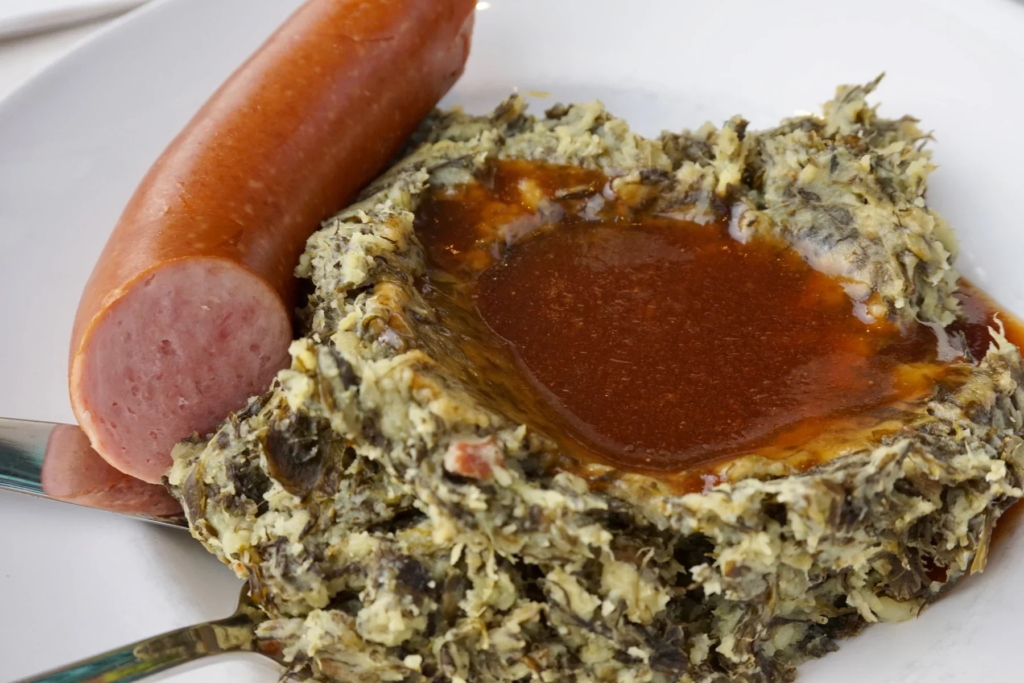
Dinner (het diner) is eaten early, usually around 18:00, and most often at home. A classic favorite is stamppot, a hearty mash of potatoes and vegetables, commonly served with smoked sausage and gravy.
Snacks in the Netherlands
The late-afternoon borrel is a cherished social tradition involving drinks and fried snacks. Favorites include bitterballen and bittergarnituur.
Another modern classic is kapsalon — fries topped with meat, salad, cheese, and sauces — a filling Dutch-Turkish fusion dish.
Special meals in the Netherlands
Christmas
Christmas is celebrated on 25 and/or 26 December. Traditions include kerststol, roasted meats, and gourmetten, where small portions are cooked at the table. December is also the season for pepernoten.
New Year’s Eve
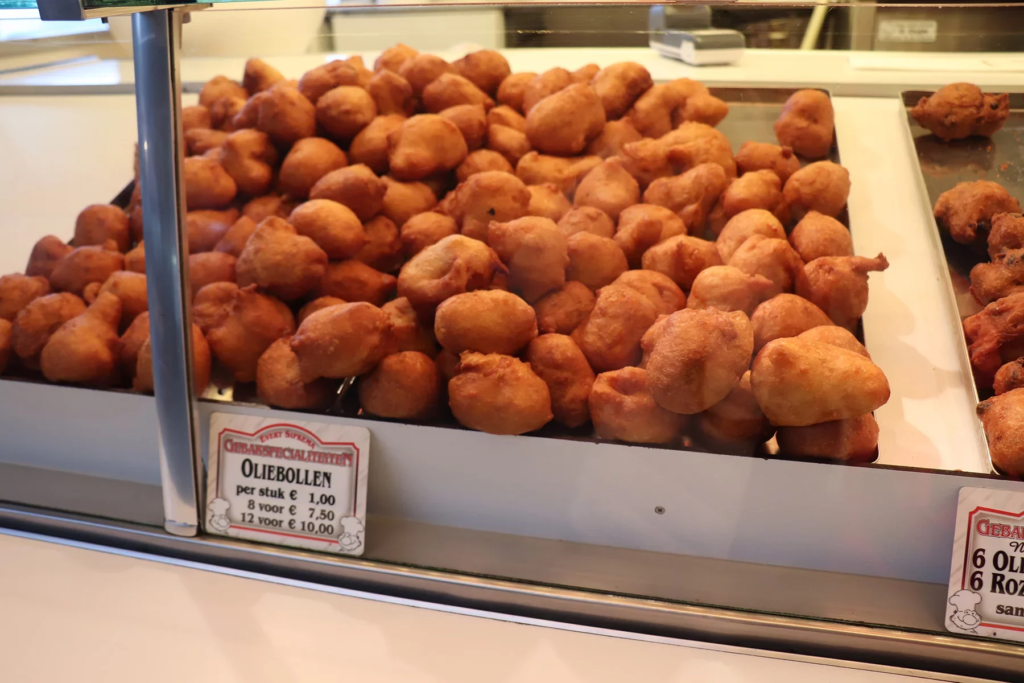
New Year celebrations are inseparable from oliebollen, deep-fried dough balls similar to doughnuts, along with apple and pineapple fritters.
Easter
Easter is marked by a family brunch with bread, eggs, cheese, ham, and paasbrood. Matzah crackers are also commonly served.
Birthdays
Birthday customs may surprise expats: the celebrant usually brings cake to work and pays when inviting friends out. Traditional gatherings involve sitting in a circle with coffee, cake, and appeltaart.
Popular ingredients in the Netherlands
Meats
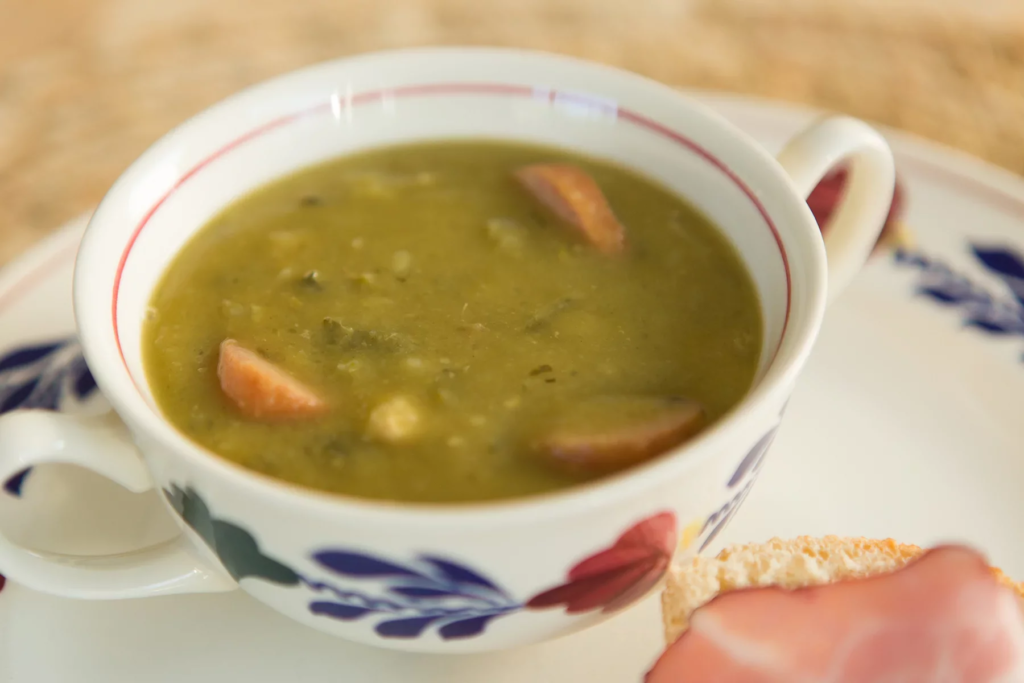
Pork, beef, and chicken dominate Dutch cooking. Classics include rookworst, hachée (beef stew), and erwtensoep (pea soup). Indonesian-inspired kipsaté is also a national favorite.
Fish
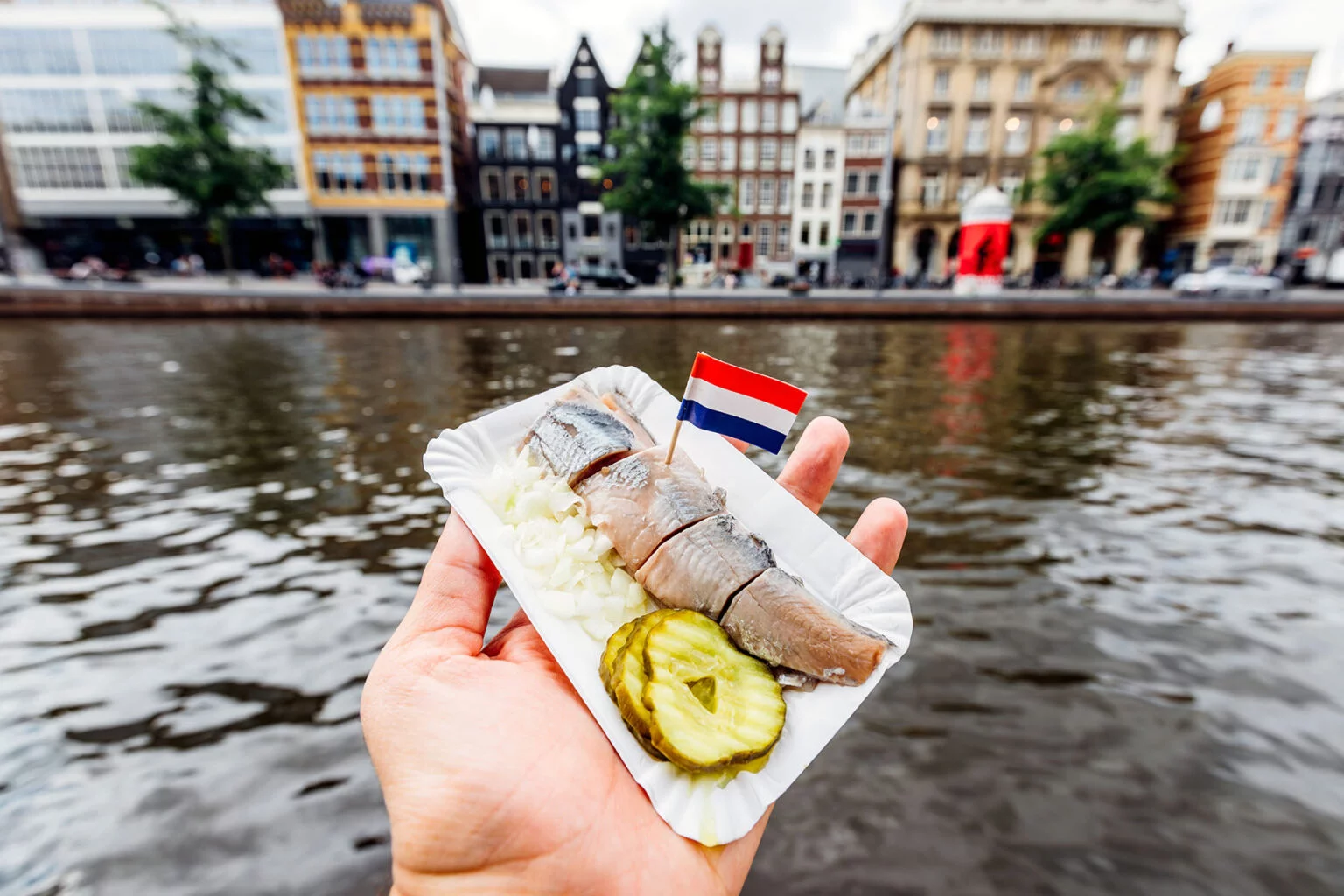
Thanks to its maritime history, seafood is essential. Popular varieties include herring, cod, mackerel, mussels, and eel. Eating raw herring (Hollandse nieuwe) is a rite of passage, especially during Vlaggetjesdag.
Vegetables
Root and leafy vegetables are staples, including potatoes, kale, endive, leeks, beets, chicory, and asparagus.
Carbohydrates
Bread is central to Dutch meals. Common varieties include roggebrood, krentenbollen, and ontbijtkoek.
Cheese
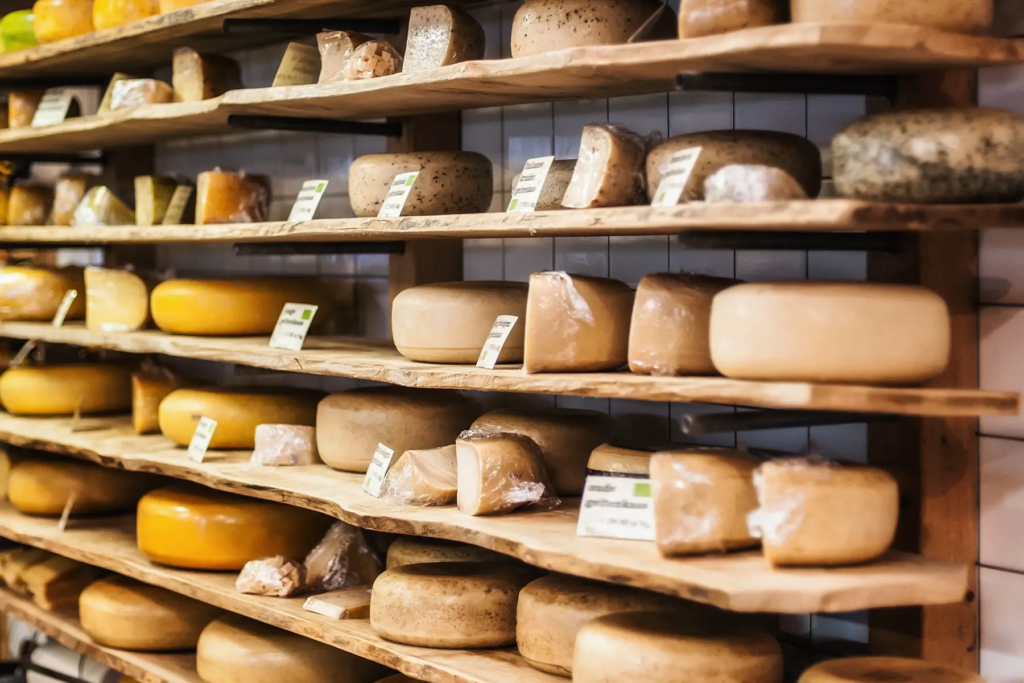
Cheesemaking dates back to around 400 AD. Famous varieties include Gouda, Edam, Beemster, Boerenkaas, and Leidse kaas. Cheese markets remain a cultural highlight.
Herbs, sauces, and condiments
Traditional spices include cinnamon, cloves, and nutmeg. Indonesian influences appear in sambal and satésaus. Fries are commonly eaten with mayonnaise or as patatje oorlog, topped with multiple sauces.
Famous dishes in the Netherlands
- Stamppot – mashed potatoes with vegetables
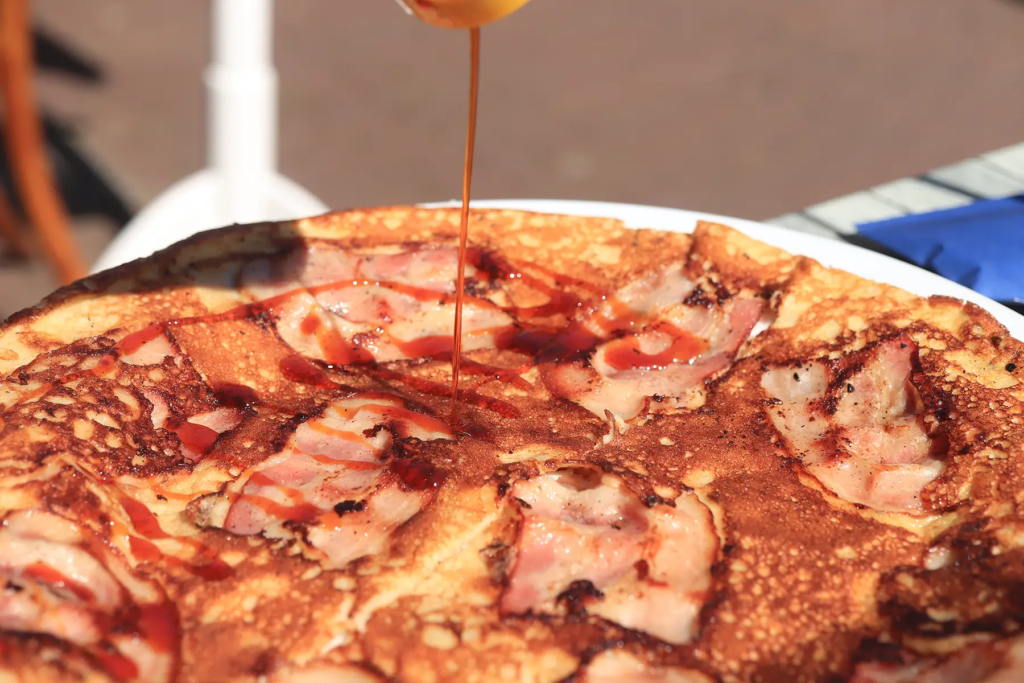
- Pannenkoeken – large savory or sweet pancakes
- Bami goreng – Indonesian-Dutch noodle dish
Famous desserts and sweets
- Poffertjes – mini fluffy pancakes
- Stroopwafels – syrup-filled waffle cookies
- Appeltaart – Dutch apple pie
Regional differences in Dutch cuisine
Northeastern Netherlands
Known for rye bread, sausages, game meats, spekdik, and Beerenburg.
Western Netherlands
Famous for cheese production, seafood, herring, chocolate, and advocaat liqueur.

Southern Netherlands
Heavier, richer cuisine with pastries like vlaai, Bossche Bol, and savory worstenbroodjes, plus Belgian-style beers.
Useful resources
- RIVM – Dutch public health and nutrition
- TasteAtlas – Dutch food guides and rankings
- Voedselgeschiedenis.nl – history of Dutch cuisine