
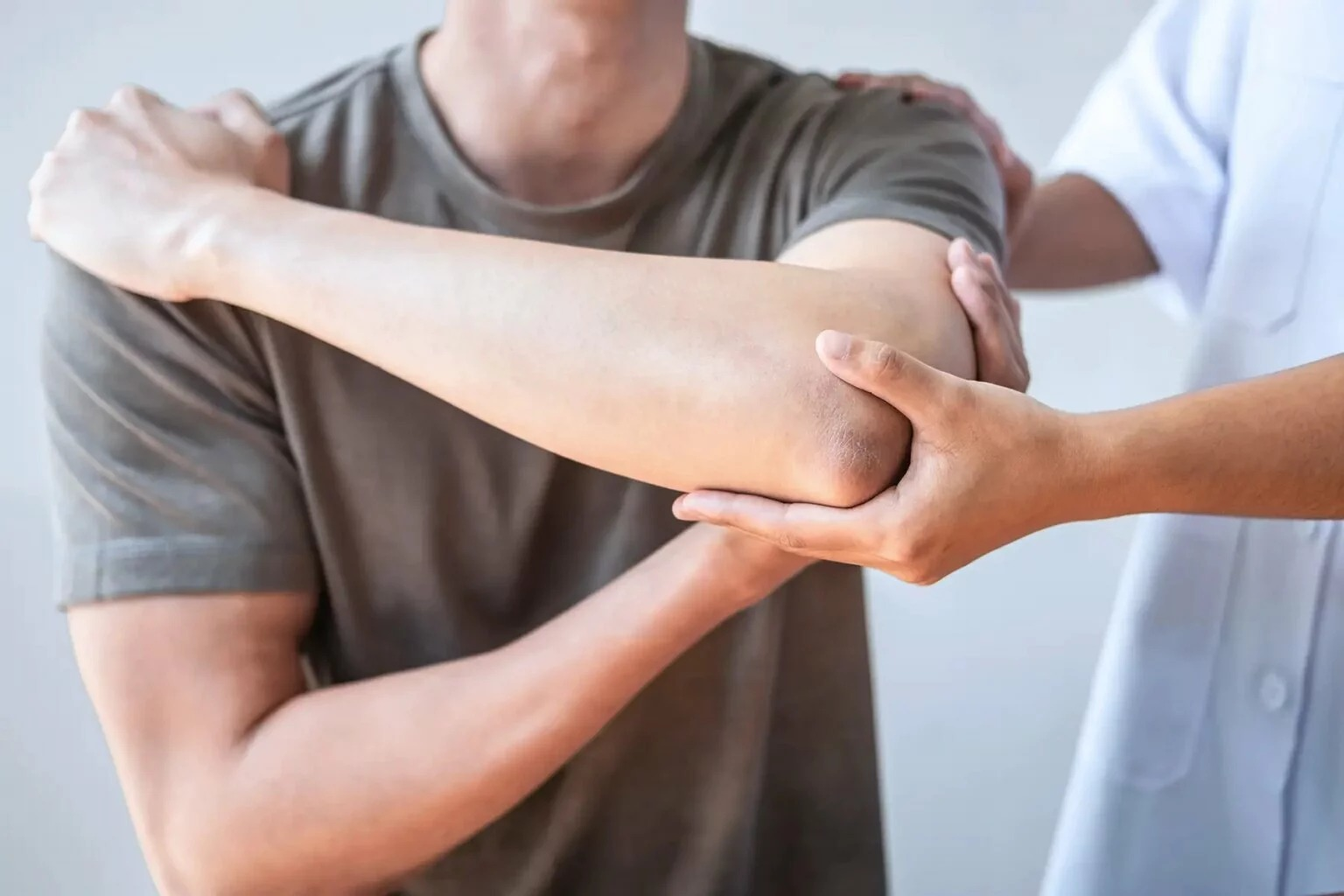
Physical therapy in the Netherlands
If you need physical therapy in the Netherlands, this guide explains your treatment options, access rules, costs, insurance coverage, and alternatives.
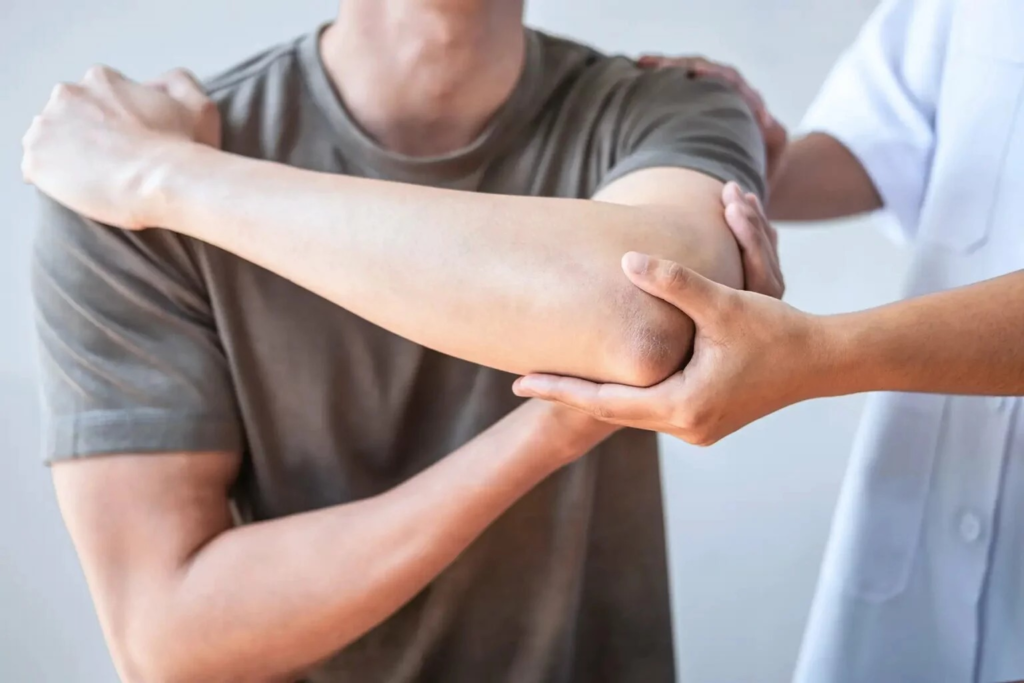
Physiotherapy plays an important role in recovery after injury or illness and in preventing long-term physical problems. Expats living in the Netherlands can access a wide range of physiotherapy services through the Dutch healthcare system. However, coverage depends largely on your health insurance plan, as most physiotherapy treatments fall under supplementary insurance rather than basic coverage.
This guide explains what to expect, where to go, and how to arrange treatment if you need physical therapy in the Netherlands. Topics covered include:
- The Dutch healthcare system
- Physical therapy in the Netherlands
- Types of physiotherapy
- Accessing physical therapy
- Finding a physical therapist
- English-speaking physiotherapists
- What happens during appointments
- Costs of physical therapy
- Insurance coverage
- Emergency physiotherapy
- Alternatives to physiotherapy
- Useful resources
The Dutch healthcare system
The Netherlands has one of Europe’s most accessible healthcare systems. Since 2006, it has operated a universal social health insurance model, combining mandatory coverage with private insurers and service providers.
The system is overseen by the Ministerie van Volksgezondheid, Welzijn en Sport (Ministry of Health, Welfare and Sport).
Expats staying long term must take out basic Dutch health insurance (basisverzekering) within four months of registering in the country. However, basic insurance generally does not cover physiotherapy, except in specific medical circumstances. To access most treatments, you will need supplementary insurance.
Children under 18 usually receive physiotherapy free of charge under basic insurance.
Physical therapy in the Netherlands
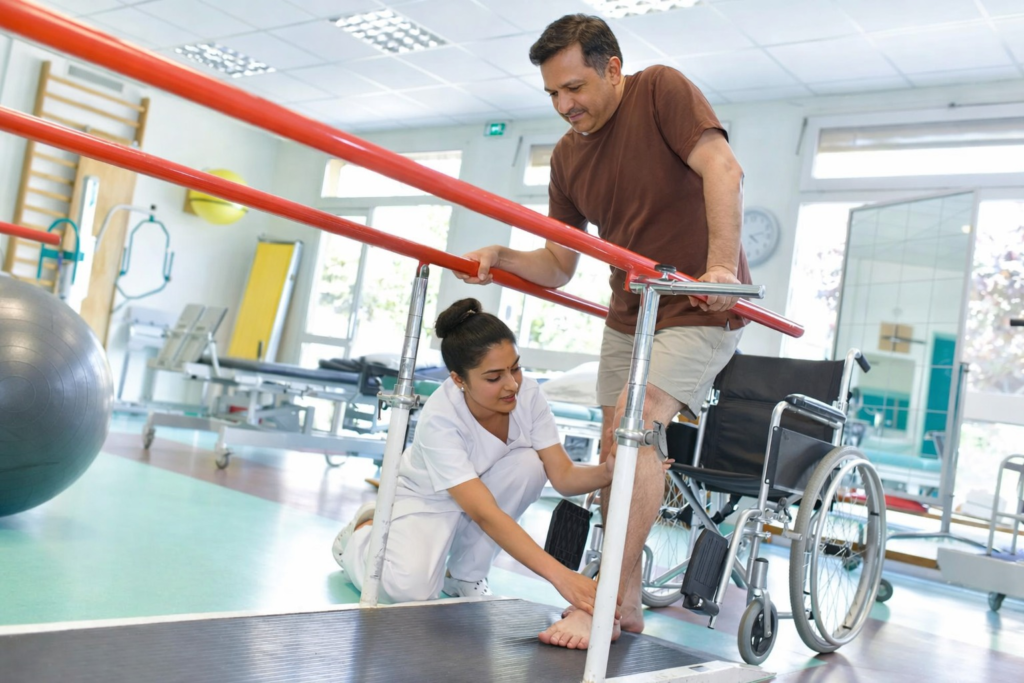
Physiotherapy (fysiotherapie) is widely available throughout the country. The Netherlands has one of the highest numbers of physiotherapists per capita in the world, making access relatively easy in both cities and smaller towns.
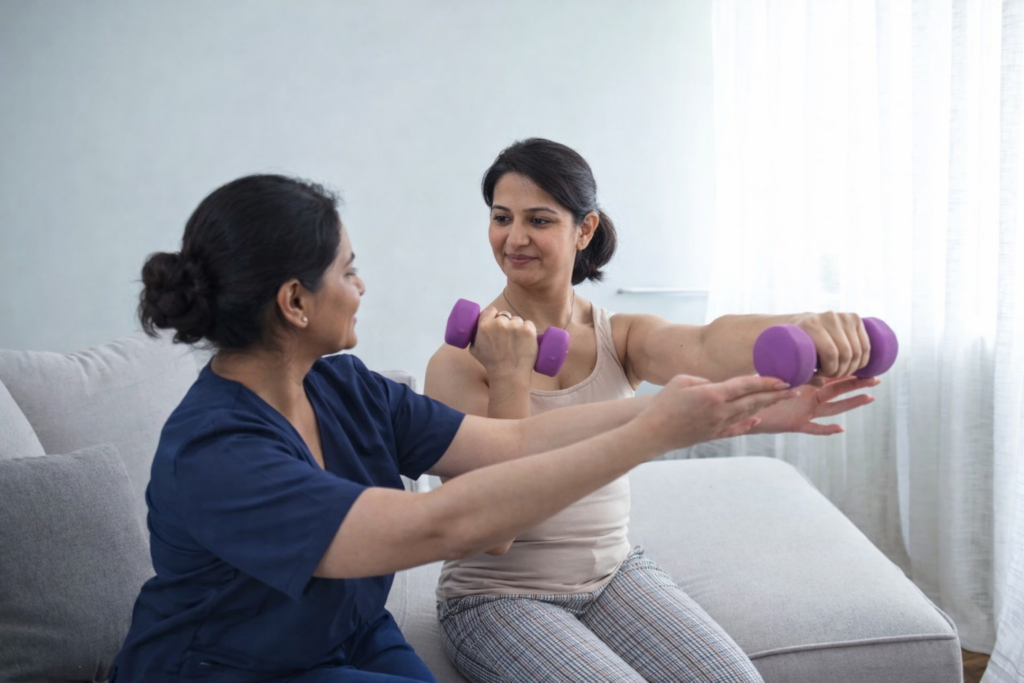
Almost half of all Dutch physiotherapists are members of the Koninklijk Nederlands Genootschap voor Fysiotherapie (KNGF). The KNGF manages the Central Quality Register, which all licensed physiotherapists must join to practice legally.
Commonly treated areas include:
- Back and spine
- Neck and shoulders
- Knees and hips
- Sports-related injuries
Types of physiotherapy in the Netherlands
Physiotherapists often specialize in specific treatment areas. Common types include:
- Manual therapy (manuele therapie) – joint and muscle manipulation
- Cardiorespiratory therapy – treatment for heart and lung conditions
- Sports physiotherapy – injury prevention and recovery for athletes
- Orofacial therapy – treatment of jaw, face, neck, and tongue muscles
- Pediatric physiotherapy – therapy for children and developmental conditions
- Geriatric physiotherapy – age-related mobility and balance issues
- Oncological physiotherapy – physical rehabilitation during or after cancer treatment
Some specialties have separate professional associations, depending on the therapy type.
Accessing physical therapy in the Netherlands
Since 2006, patients in the Netherlands can self-refer to a physiotherapist without seeing a GP first. However:

- You must have insurance that covers physiotherapy, or
- You will need to pay out of pocket
Even with supplementary insurance, always confirm that:
- Your therapist is contracted by your insurer
- The treatment type is covered
For chronic medical conditions, partial reimbursement through basic insurance may be possible, but this requires a doctor’s referral.
Finding a physical therapist in the Netherlands
You are free to choose your own physiotherapist. Common ways to find one include:
- Searching the BIG register
- Using appointment platforms such as Doctena
- Checking review platforms like Zorgkaart Nederland
- Asking your GP (huisarts) for recommendations
- Consulting local expat directories
Finding an English-speaking physical therapist
Most healthcare professionals in the Netherlands speak good English, especially in urban areas. Finding an English-speaking physiotherapist is usually straightforward.
Expat-focused clinics, such as international medical centers in major cities, often advertise English-language services. Embassies and consulates can also provide healthcare provider lists.
Visiting a physical therapist in the Netherlands
Appointments are usually required and can be booked by phone or online. Waiting times vary depending on demand and specialty.
At your first appointment:
- Bring your health insurance card
- Arrive a few minutes early
- Expect a session lasting 30–60 minutes
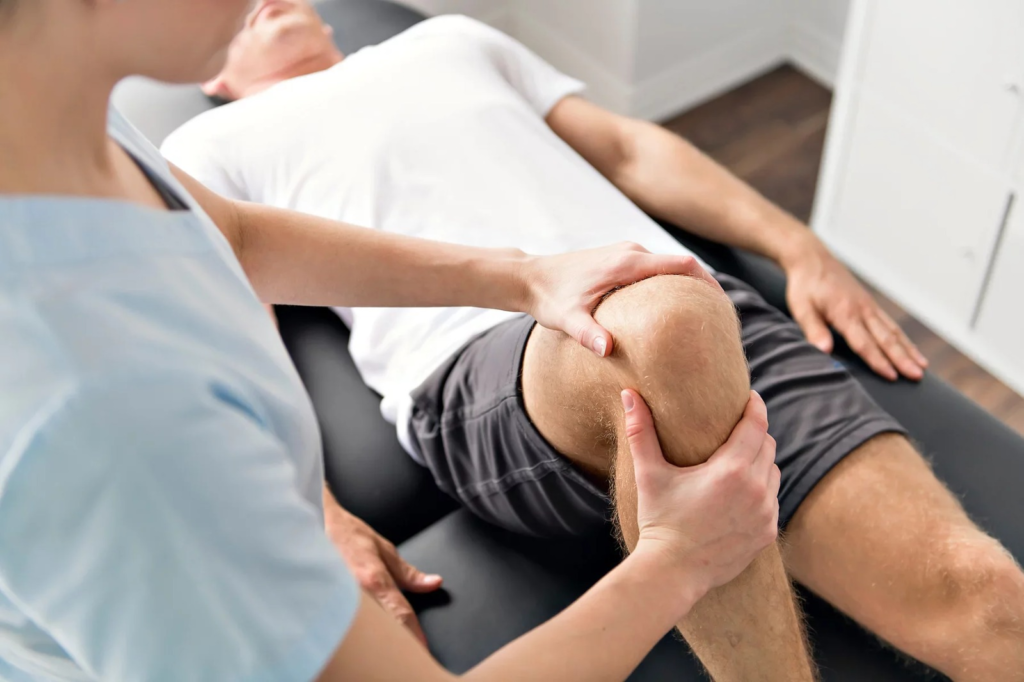
The first visit typically includes:
- Physical assessment
- Diagnosis and treatment plan
- Exercises during the session
- Home exercise guidance
Physiotherapists may also provide preventive advice. They cannot prescribe medication but may refer you back to your GP or specialist if needed.
Costs of physical therapy in the Netherlands
There is no fixed national pricing. Most physiotherapists operate privately and set their own fees.
Typical costs:
- €35–€70 per session
- Higher fees in cities like Amsterdam or The Hague
Coverage depends on your insurance:
- Supplementary insurance usually covers a set number of sessions
- Some insurers pay providers directly
- Others require upfront payment with later reimbursement
Basic insurance may cover limited sessions in specific cases, including:
- Pediatric physiotherapy
- Recognized chronic conditions
- Pelvic physiotherapy for incontinence
- Osteoarthritis of hip or knee
- COPD rehabilitation
Always check your policy details carefully.
Insurance for physical therapy in the Netherlands
You can choose from many Dutch and international insurers, including:
- Allianz Care
- Cigna Global
- ONVZ
- Zilveren Kruis
Coverage varies widely, so comparison platforms like Independer are useful when selecting a plan.
Emergency physical therapy
After serious injury, surgery, or hospital treatment, physiotherapy may be partially reimbursed under basic insurance from the 21st session onward, depending on the condition.
In emergency situations:
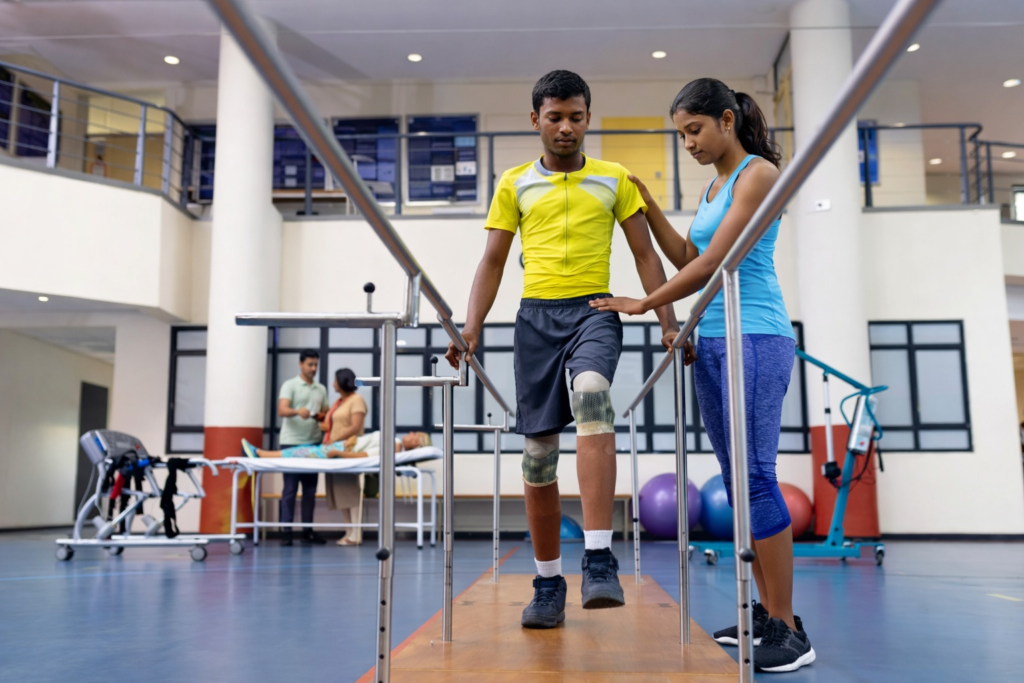
- Hospital teams may arrange physiotherapy referrals
- Self-referral is possible, but reimbursement requires medical documentation
Alternatives to physical therapy in the Netherlands
Before choosing alternative treatments, confirm whether your insurance covers them.
Osteopaths
Osteopathy focuses on restoring body movement through manual techniques. Reliable practitioners are registered with recognized Dutch osteopathy bodies.

Costs are typically around €100 per session, with limited reimbursement through comprehensive insurance plans.
Chiropractors
Chiropractic care addresses neuromuscular issues using spinal manipulation and other techniques.
Session costs range from €40–€80 and are usually covered only by extended insurance packages.
Massage therapists
Massage therapy is considered complementary care and is not regulated.
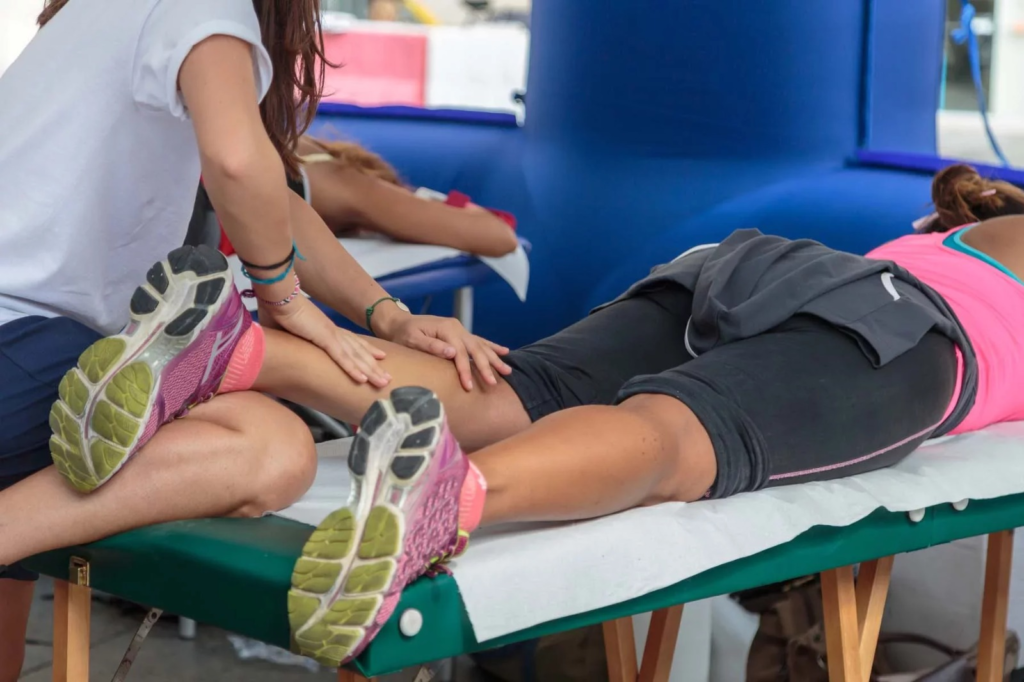
Prices usually range from €30–€65 per session. Reimbursement often requires a medical referral. Always verify qualifications through professional registers or recognized associations.
Useful resources
- Ministerie van Volksgezondheid, Welzijn en Sport – healthcare policy
- Koninklijk Nederlands Genootschap voor Fysiotherapie
- BIG register
- Doctena – physiotherapist search
- Zorgwijzer – health insurance comparison