

Student visas in the Netherlands
Some international students need a visa or residence permit to study in the Netherlands. This guide explains who requires a student visa, how to apply, what documents are needed, and what options are available after graduation.

With its high academic standards, strong international reputation, and excellent quality of life, the Netherlands attracts students from around the world. However, like other European countries, the Netherlands operates a regulated immigration system for non-nationals.
This guide outlines everything you need to know about Dutch student visas, including application procedures, costs, work rights, and post-study options.
Studying in the Netherlands
The Netherlands is a multicultural country with a well-established higher education system. Several Dutch universities consistently rank among the world’s top institutions, and Amsterdam is regularly listed as one of the leading global student cities.
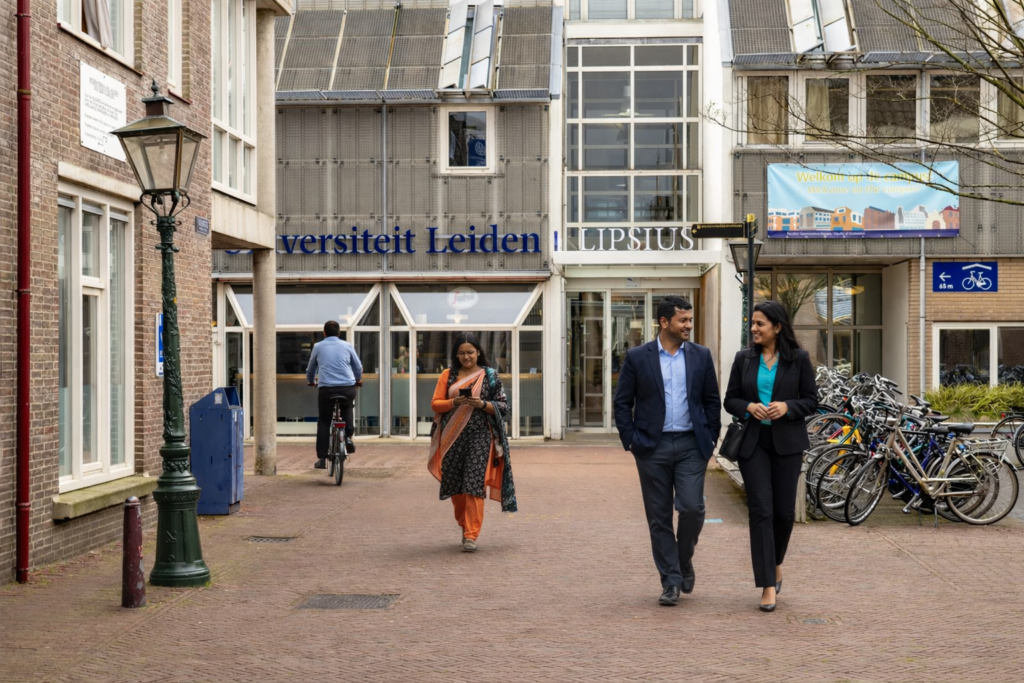
Approximately 40% of first-year students in the Netherlands are international. Many of these students require a visa or residence permit to enter and study in the country.
Like most EU member states, the Netherlands operates a two-tier immigration system:
- EU/EFTA nationals benefit from free movement
- Non-EU/EFTA nationals usually require a visa or residence permit
All visa and residence permit matters are handled by the Immigration and Naturalization Service (IND).
Who needs a student visa in the Netherlands?
EU/EFTA nationals
Citizens of EU and EFTA countries (Iceland, Liechtenstein, Norway, and Switzerland) do not need a visa or residence permit to study in the Netherlands. A valid passport or national ID card is sufficient for entry.
If staying longer than three months, students must:
- Register with the local municipality
- Be entered into the Personal Records Database (BRP)
- Obtain a Citizen Service Number (BSN), required for banking, employment, and tax purposes
Non-EU/EFTA nationals
Most non-EU/EFTA nationals require a student residence permit to study in the Netherlands.
Some nationalities (such as the US, Australia, and Japan) may enter the Netherlands visa-free for up to 90 days. However, any study lasting longer than 90 days requires a residence permit.
Students from countries requiring an entry visa must apply for:
- A provisional residence permit (MVV) and
- A Dutch residence permit before arrival
After entering the Netherlands, the MVV must be exchanged for a residence permit. Country-specific requirements can be checked on the IND website.
UK nationals since Brexit
UK citizens may enter the Netherlands without a visa for short stays of up to 90 days. However, for study programs longer than three months, a Dutch residence permit for study is required.
Types of student visas in the Netherlands
The Netherlands offers several study-related visas:
- Student visa for higher education and universities
- Student visa for secondary and vocational education
- Short-stay study visa (up to 90 days)
- Intra-EU mobility study visa
Netherlands student visa for higher education and university courses
This is the main residence permit for bachelor’s, master’s, and PhD-level studies at recognized Dutch institutions.
Requirements
Applicants must:
- Be accepted by a recognized sponsoring institution
- Show sufficient financial means for living expenses
- Maintain academic progress (at least 50% of required credits per year)

How to apply
The educational institution submits the application to the IND on the student’s behalf.
Required documents typically include:
- Valid passport
- Passport photographs
- Proof of admission
- Proof of language proficiency (English or Dutch, depending on the course)
- Proof of financial means
- Health insurance coverage
- Criminal record declaration
- Tuberculosis (TB) test (for certain nationalities)
Processing usually takes up to two months.
Visa costs
€207
Visa length
Valid for the duration of the study program (maximum five years), plus:
- An optional preparatory year
- Three additional months after graduation
Time already spent studying is deducted if the student changes programs.
Dutch student visa for secondary and vocational courses
This permit applies to secondary education and vocational programs.
Requirements
In addition to general admission and financial requirements, applicants must:
- Demonstrate that similar education is unavailable in their home country
- Show that the education benefits their country of origin
- Meet at least two of the following:
- Family ties in the Netherlands
- Dutch language proficiency
- Citizenship of Suriname, Indonesia, or South Africa
How to apply
The sponsoring institution submits the application to the IND.
Documentation requirements are similar to those for higher education visas, with additional proof related to eligibility criteria.
Visa costs
€207
Visa length
Up to five years, plus three months after course completion.
Short-stay study visa in the Netherlands
For courses lasting 90 days or less, a Schengen short-stay visa (Type C) applies.
- Cost: €80
- Not extendable
Applicants must provide:
- Proof of course enrollment
- Accommodation details
- Travel insurance
- Proof of funds (approx. €55 per day)
- Return travel confirmation
Intra-EU mobility visa
This permit allows students with a valid residence permit from another EU country to study in the Netherlands for up to 360 days without applying for a separate Dutch residence permit.
Other visas relevant to students in the Netherlands
Additional options include:
- Cultural exchange visa
- Working holiday visa
- Au pair visa
- Work experience or trainee visa
These visas are typically valid for one year.
When you arrive to study in the Netherlands
Students staying longer than three months must:
- Collect their residence permit
- Register with the municipality
- Obtain a BSN
Other early steps include:
- Registering for healthcare
- Opening a Dutch bank account
- Arranging utilities and telecommunications
Any change of institution must be reported to the IND within four weeks.
Study grants and scholarships in the Netherlands
Information on funding opportunities is available through:
- Nuffic
- Study in NL
- International education ranking platforms
Transferring foreign qualifications in the Netherlands
The Netherlands follows the Bologna Process, allowing easier recognition of qualifications across Europe. Universities guide students through diploma evaluation and translation where required.
Working while studying in the Netherlands
Students may work if their residence permit allows it. Typically:

- Up to 16 hours per week during term
- Full-time during June, July, and August
Employers must obtain a work permit (TWV).
Family members joining on a student visa
Spouses, registered partners, and children under 18 may join the student after one year of lawful residence (or immediately for certain research permits). Family members generally receive the same work rights.
After your study finishes and your student visa expires
Graduates may apply for an orientation year residence permit, allowing one year to:

- Find employment
- Start a business
- Work as a freelancer
This permit costs €207 and cannot be extended.
Appeals about student visa decisions in the Netherlands
If a visa application is refused, applicants may:
- File a written objection within four weeks
- Escalate the case to a Dutch court if necessary
Useful resources
- Immigration and Naturalization Service (IND)
- Government of the Netherlands
- Study in NL