
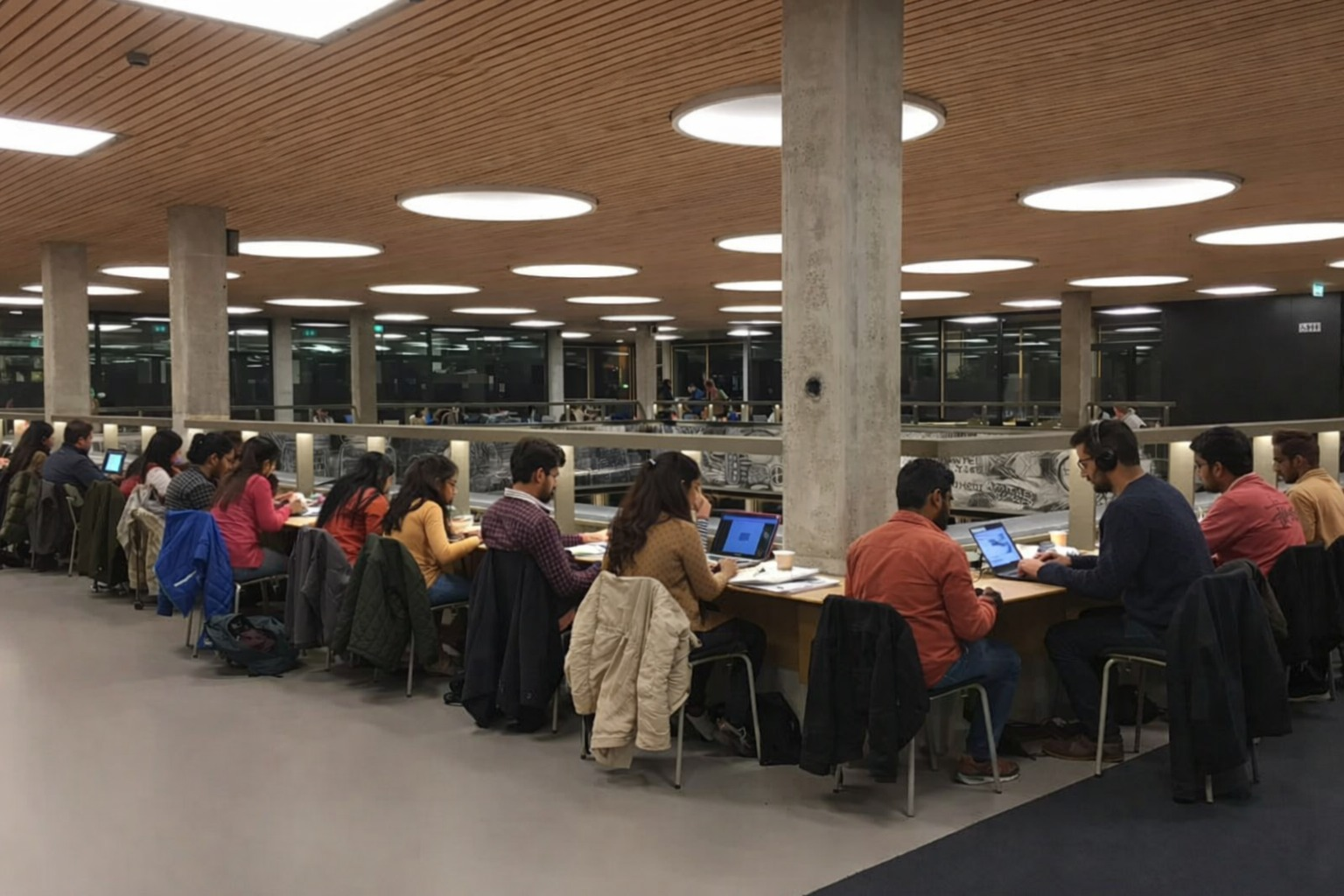
Studying in the Netherlands
Planning to study in the Netherlands? This guide explains the Dutch higher education system, available programs, application steps, costs, and life as an international student.
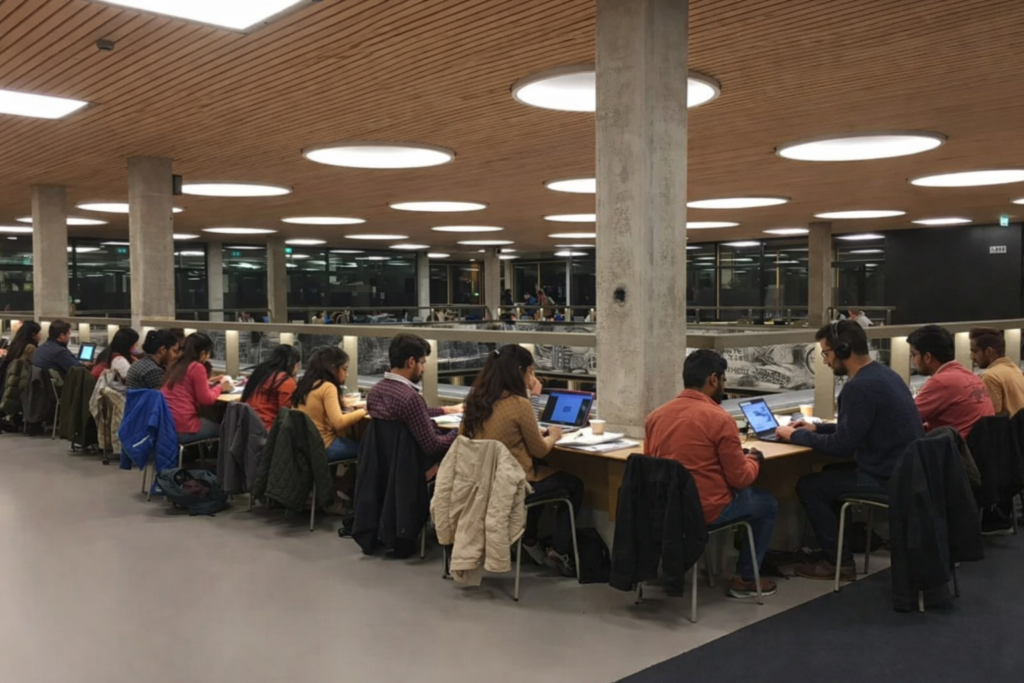
Applying to university can be challenging, especially when studying abroad. Fortunately, the Netherlands has decades of experience welcoming international students, offering clear application pathways and a wide range of English-taught programs.
This guide walks you through everything you need to know — from choosing the right institution to understanding visas, tuition fees, and career options after graduation.
Higher education in the Netherlands
The Dutch higher education system offers a wide range of academic and professional pathways. Students are guided into academic or vocational tracks at an early age, which later determine whether they pursue applied sciences, research-focused university education, or direct entry into the workforce.
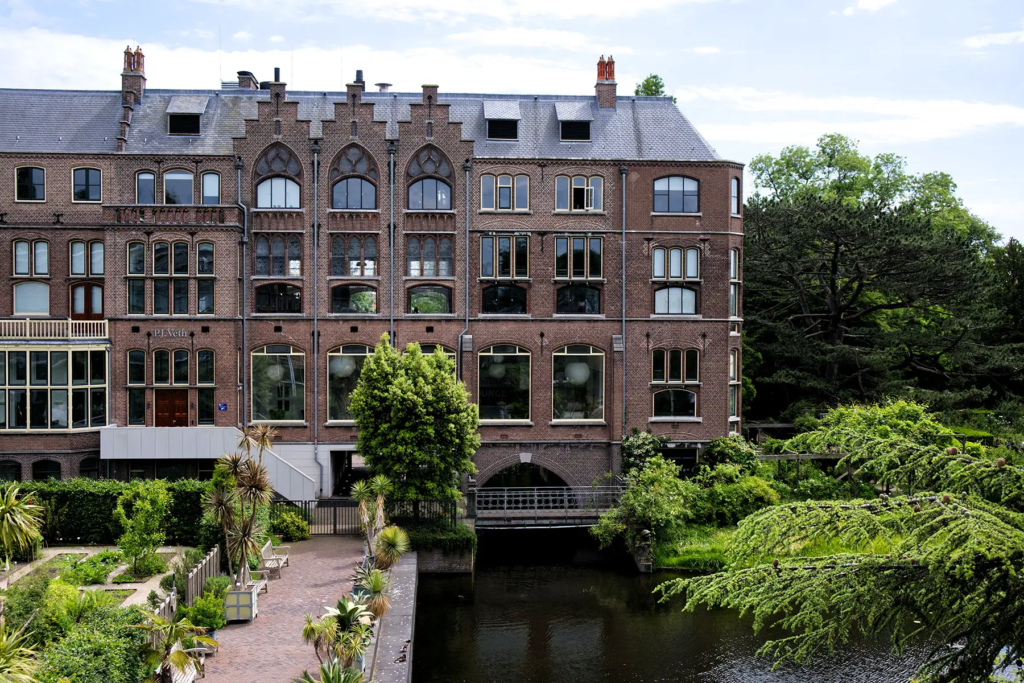
Approximately 38% of Dutch adults hold a tertiary qualification, and the country continues to attract students from across Europe and beyond. In 2021, international students accounted for around 40% of new first-year enrollments, reflecting the Netherlands’ global academic reputation.
Many universities offer programs taught fully in English, particularly in major cities. However, Dutch remains the national language, and some programs — especially those linked to local professions — require Dutch proficiency.
The academic year usually follows a semester system:
- Semester 1: September–January
- Semester 2: February–July
Most students begin higher education at age 18 or older. The two main types of institutions are universities of applied sciences and research universities.
Types of higher learning institutes
Universities of applied sciences (HBO)
Universities of applied sciences focus on practical, career-oriented education. Programs are designed in close collaboration with industry and often include internships.
They offer:
- Associate degrees
- Bachelor’s degrees
- Master’s degrees
Common fields include engineering, IT, data science, healthcare, and design.
Research universities (WO)
Research universities provide theoretical and academic education, preparing students for research careers or advanced professional roles.
They offer:
- Bachelor’s degrees
- Master’s degrees
- Doctoral (PhD) programs
Popular fields include law, economics, politics, sciences, humanities, and social sciences.
Dutch degree programs
Associate degrees
Associate degrees are two-year programs offered by universities of applied sciences. They emphasize practical skills and vocational training.
Graduates may:
- Enter the workforce directly
- Continue into a bachelor’s program
Typical entry requirements include HAVO, VWO, or MBO level 4 qualifications.
Examples of institutions offering Associate degrees include:
- The Hague University of Applied Sciences
- Tio University of Applied Sciences
Bachelor’s degrees
Bachelor’s programs are offered by both types of institutions:
- HBO bachelor’s: 4 years, practice-focused
- WO bachelor’s: 3 years, academically focused
Entry requirements depend on the institution and program.
Examples include:
- University of Amsterdam
- Avans University of Applied Sciences
- Radboud University
Master’s degrees
Master’s programs vary by institution:
- Applied sciences master’s: typically 1–2 years
- Research university master’s: 1–3 years
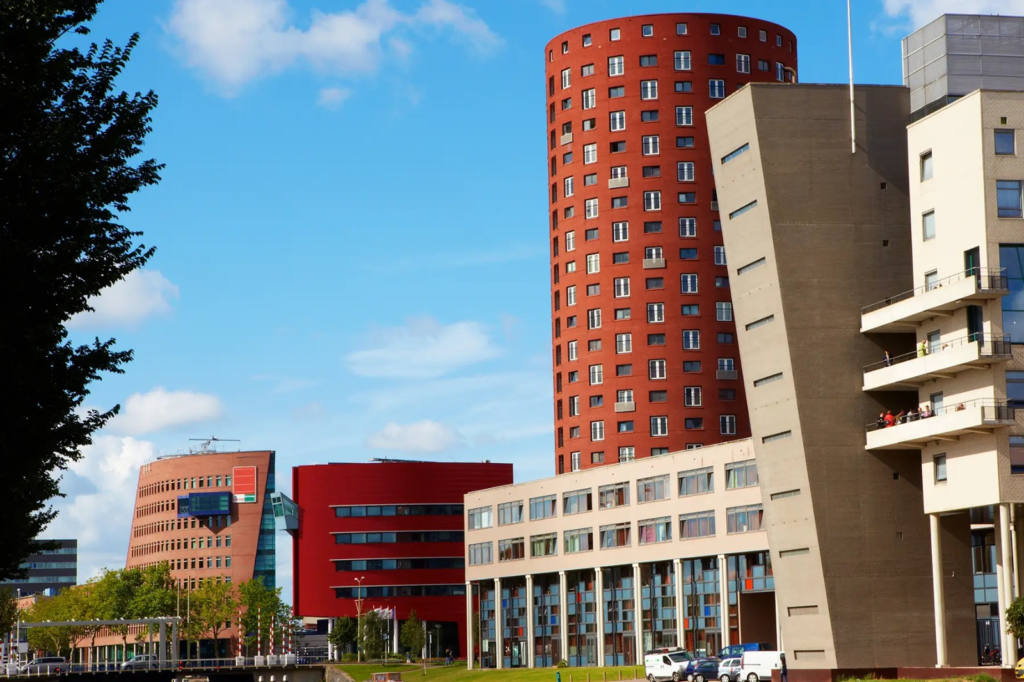
Degrees awarded include MA, MSc, MBA, LLM, and others. Admission usually requires a relevant bachelor’s degree, and some programs may request work experience.
Examples include:
- Utrecht University
- Amsterdam University of Applied Sciences
Doctoral (PhD) programs
PhD programs are offered only by research universities and typically last four to six years. Many PhD candidates are employed by the university and receive a salary.
Leading institutions include:
- Erasmus University Rotterdam
- Leiden University
Dutch qualifications
Dutch degrees are internationally recognized and aligned with the Bologna Process and the European Credit Transfer and Accumulation System (ECTS). This ensures academic compatibility across Europe and beyond.
General requirements to study in the Netherlands
Visa requirements
- EU/EEA citizens: No visa required; municipal registration only
- Non-EU citizens: Require a study residence permit
Non-EU students must demonstrate sufficient financial means (the study norm). In 2022, this was €932.87 per month, multiplied by the program duration.
Universities usually apply for the residence permit on the student’s behalf after admission.
Language requirements
Many programs are taught in English. Where required, universities specify minimum English test scores (IELTS, TOEFL, etc.).
Programs taught in Dutch require proof of Dutch proficiency.
Recognition of overseas qualifications
Foreign diplomas must be evaluated for equivalency. Dutch universities and Nuffic assist with this process.
How much does it cost to study in the Netherlands?
EU students
- Bachelor’s & master’s: €1,000–2,500 per year
Non-EU students
- Bachelor’s: €6,000–15,000 per year
- Master’s: €8,000–20,000 per year
PhD candidates are often salaried employees.
Study grants and funding available
Student financing is managed by DUO and includes:
- Tuition loans
- Living expense loans
- Supplementary grants
Eligibility is limited mainly to Dutch, EU, EEA, Swiss, and British nationals.
How to apply to study in the Netherlands
Students apply directly to universities. Required documents typically include:

- Academic transcripts
- Language certificates
- Motivation letters or assessments
Non-EU students receive visa guidance through their university once accepted.
Student life in the Netherlands
Dutch universities offer active campus communities with clubs, student associations, and cultural events. Students must register with their municipality shortly after arrival.

Housing shortages mean early planning is essential.
Student housing options
Most students live off-campus. Monthly rent typically ranges from €300–900.
Common platforms include:
- Duwo
- Kamernet
- Studentenwoningweb
- SSH Student Housing
Working while studying
- EU students: No work restrictions
- Non-EU students: Max. 16 hours/week during term or full-time in summer, with a work permit
Student healthcare
- EU students: Covered via EHIC
- Non-EU students: Require private insurance unless working, in which case Dutch health insurance is mandatory
Study exchange programs
Popular options include:
- University exchange agreements
- Erasmus Programme
Career prospects after graduation
Graduates benefit from strong job markets in tech, logistics, research, and creative industries.
Non-EU graduates may apply for the Orientation Year Visa, allowing one year to seek employment.
Useful resources
- IND
- Study in NL
- Nuffic