

A brief introduction to the Netherlands
Newcomers are often forgiven for not quite knowing what to expect from the Netherlands. Windmills, clogs, dikes, and tulips tend to dominate first impressions — but there’s far more to this compact yet influential country. Here’s a concise introduction to life in the Netherlands.
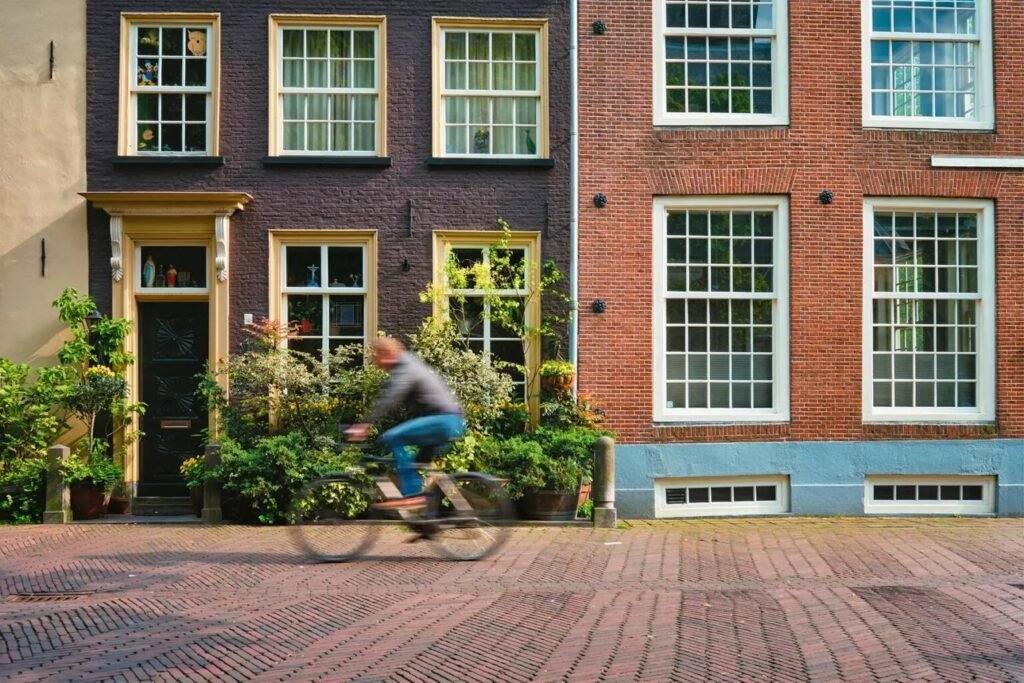
Consistently ranked among the world’s best places to live and work, the Netherlands attracts people from all over the globe. Yet high rankings only tell part of the story. Despite its small size, the country has an outsized global impact, shaped by centuries of trade, innovation, and a constant battle with the sea. Liberal social policies, advanced infrastructure, and a strong international outlook make Dutch life a rich blend of tradition and modernity.
Netherlands introduction: high living standards
The Netherlands regularly scores highly in international quality-of-life rankings. Living standards are strong, employment levels are high, and work-life balance is among the best globally. Dutch children, in particular, are frequently cited as some of the happiest in the developed world.
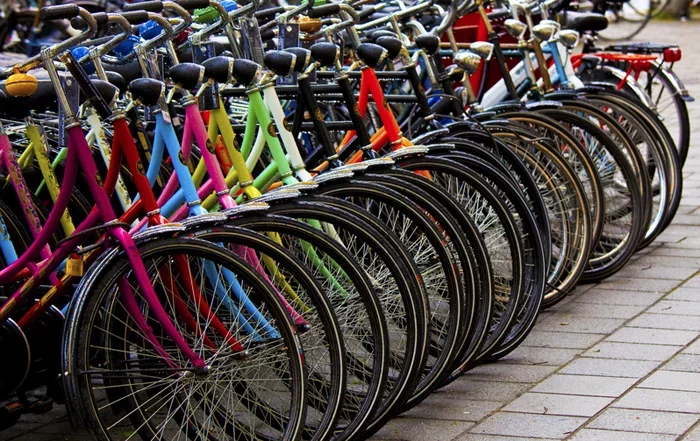
No Dutch city has reached a population of one million, and each retains its own identity and architectural style. The capital, Amsterdam, stands apart — its international outlook, creativity, and pace of life often feel distinctly different from the rest of the country.
Dutch culture
At first glance, Dutch society appears informal and open. However, subtle social norms play an important role. Modesty is valued, excess is discouraged, and equality is a guiding principle. A well-known Dutch saying, “doe maar gewoon, dan doe je al gek genoeg” (“just act normal — that’s crazy enough”), reflects this mindset.
Direct communication is another hallmark of Dutch culture. While this honesty is often appreciated, it can take some adjustment for newcomers unfamiliar with such straightforwardness.
Living and working in the Netherlands
The Netherlands is a popular destination for expats, many of whom contribute to its strong, knowledge-based economy. International companies, research institutions, and startups are spread across the country, offering opportunities in sectors ranging from technology and finance to logistics and design.
English is widely spoken — among the highest proficiency levels globally — which makes daily life easier for newcomers. However, this can also slow down Dutch language learning, as locals often switch to English without hesitation.
About the Netherlands’ multicultural society
The Netherlands has long been shaped by migration and international exchange. Today, a significant portion of the population has a foreign background, contributing to a diverse and multicultural society. While these global connections stretch back centuries, the most visible demographic changes have taken place in recent decades.
This diversity is reflected in Dutch cities, food culture, workplaces, and international communities, making it easier for expats to find familiar influences alongside distinctly Dutch traditions.
Dutch government
Dutch politics are traditionally built on cooperation and compromise. Coalition governments are the norm, reflecting a political culture that values consensus over confrontation. This approach has earned the Netherlands a reputation as a country of negotiation and balance.
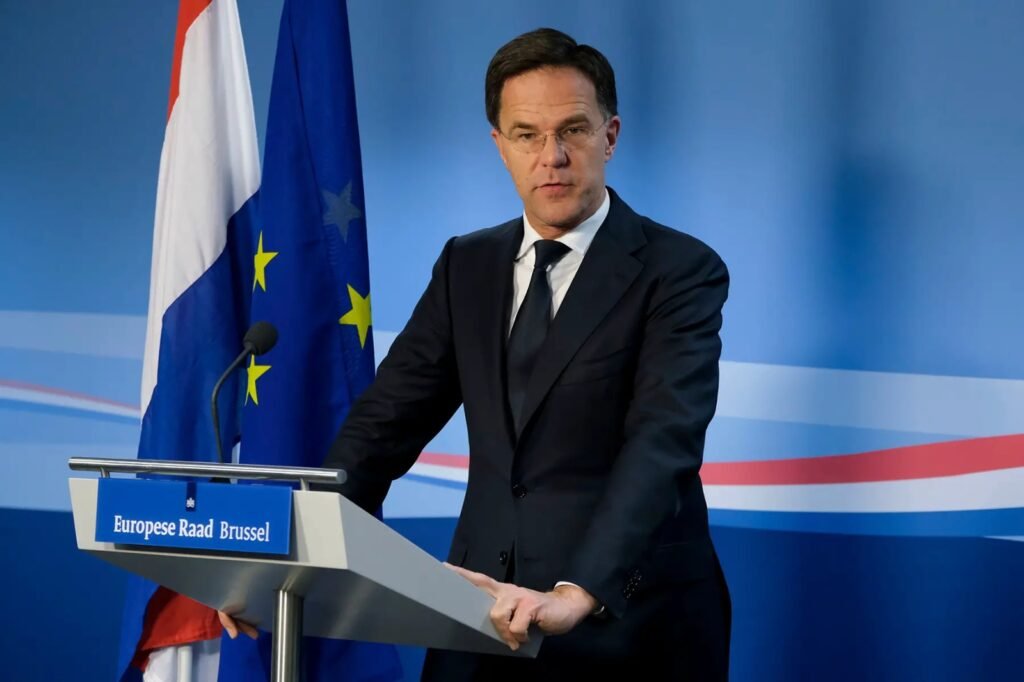
Recent decades have seen shifting political landscapes, influenced by economic pressures, European cooperation, and changing public opinion. Despite these changes, democratic stability remains a defining feature of Dutch governance.
Dutch royal family
In 2013, Queen Beatrix abdicated after more than three decades on the throne, making way for King Willem-Alexander — the country’s first king in over a century. His reign marked a generational shift and a more modern image for the monarchy.
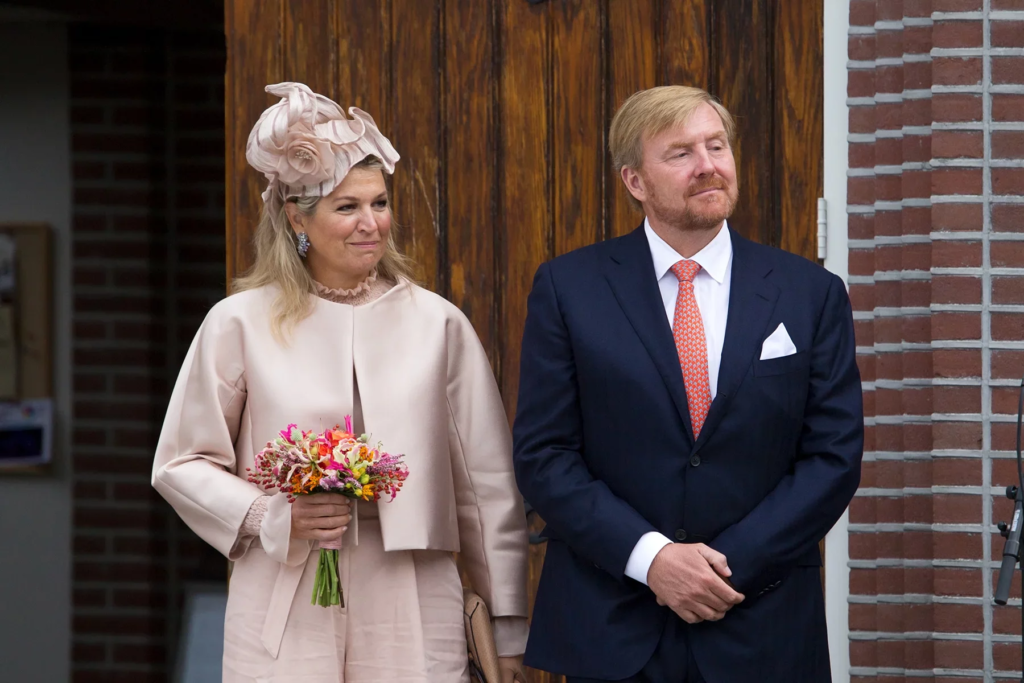
The national celebration now known as Koningsdag takes place on 27 April, the king’s birthday. On this day, oranjegekte (orange madness) sweeps the country as streets fill with parties, music, and the famous vrijmarkt, where anyone can sell goods without a permit.
The Netherlands: facts and figures
- Population: Approximately 17 million
- Population density: One of the highest in Europe
- Political system: Constitutional monarchy with a parliamentary democracy
- Monarchy: Ruled by the House of Orange-Nassau since 1815
- Landscape: Around a quarter of the country lies below sea level; much land has been reclaimed from the sea
- Agriculture: One of the world’s largest exporters of agricultural products despite its small size
- Culture: Home to nearly 1,000 museums — one of the highest densities worldwide
- Design & innovation: Internationally admired for minimalist, functional, and often playful design
- Coffee & trade: A key player in introducing coffee cultivation to Europe through global trade routes