
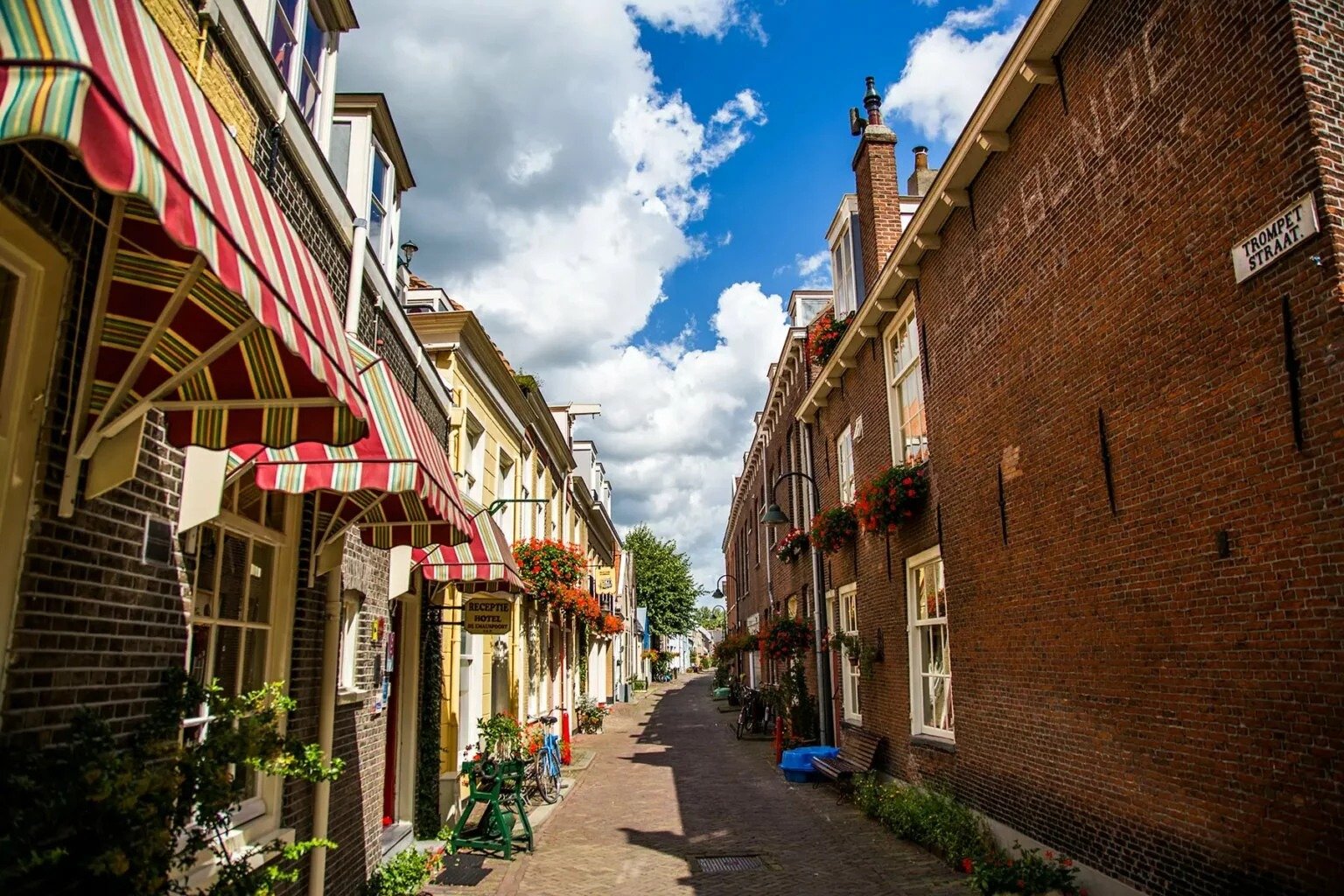
The quality of life in the Netherlands
Research consistently shows that long-term happiness is closely linked to a sense of stability, security, and democratic governance. One country that regularly scores highly on these indicators is the Netherlands, which is often ranked among the best places in the world for quality of life.
In the early 2000s, a widely discussed study explored how happiness can be measured beyond income or material wealth. Earlier surveys had focused heavily on factors such as salary or marital status, yet the results raised important questions. Income growth, for example, did not always correlate with increased happiness over time, and dramatic life changes—both positive and negative—often had only a temporary effect on well-being.
What emerged instead was a more nuanced understanding of happiness, shaped by social stability, personal expectations, and the broader political and cultural environment.
Studies about quality of living
One of the most consistent findings in quality-of-life research is people’s ability to adapt to change. Even major life events, such as bereavement or relocation, tend to have a diminishing impact on happiness over time. This adaptability is closely tied to personal aspirations, as satisfaction is often measured against individual hopes and expectations.
Researchers have identified three broad paths to happiness: a life of pleasure, a life of engagement, and a life of meaning. Countries in Northern Europe, including the Netherlands and the Scandinavian states, frequently rank highly when measured against these criteria.
International studies have also highlighted strong child well-being outcomes in the Netherlands. For example, comparative research into children’s self-reported happiness has repeatedly placed Dutch children near the top, even when material advantages were similar to those in other wealthy countries. This suggests that social and environmental factors play a significant role in shaping overall life satisfaction.
At the same time, well-being data also shows that happiness indicators are complex and multifaceted. Improvements in some areas of quality of life do not automatically translate into positive outcomes across the board, highlighting the importance of looking beyond surface-level statistics.
Social and political choices
To better understand quality of life in the Netherlands, it helps to look at how society is structured. Historically, Dutch society developed around distinct social “pillars” (zuilen), originally based on religious affiliation. Each pillar had its own institutions, including schools, media outlets, and social organizations, creating tightly knit communities with shared norms and values.
Over time, these divisions shifted away from religion and became more closely associated with education level, profession, and social background. The Dutch education system, which has long emphasized early selection based on academic pathways, has played a key role in shaping these divisions.
While this structure provides predictability and stability for many, it can also limit interaction between different social groups. As a result, people often grow up, study, work, and socialize within relatively homogeneous circles. For those inside these networks, life can feel secure, well-organized, and supportive—factors that contribute positively to perceived quality of life.
For newcomers and expats, however, these same structures can make social integration more challenging. Building friendships and accessing informal social networks often takes time and persistence, particularly for those unfamiliar with Dutch social norms.
Quality of life in the Netherlands
In practical terms, the Netherlands performs strongly across many standard quality-of-life indicators. Healthcare is widely accessible, public transport is reliable, education standards are high, and cities consistently rank well for safety and environmental quality. These factors create a solid foundation for day-to-day living.
For many expats, the opportunity to live and work in the Netherlands is tied to career development, family life, or personal relationships. While professional and material conditions are often favourable, social integration is frequently cited as the most challenging aspect of life in the country.
Dutch residents themselves often point to strengths such as strong public institutions, high living standards, and effective social systems. At the same time, cultural traits like direct communication styles and a strong emphasis on conformity can feel unfamiliar—or even isolating—to those from different backgrounds.
Ultimately, quality of life in the Netherlands depends heavily on individual circumstances. For some, the country offers exceptional stability, opportunity, and security. For others, especially those building a life from scratch in a new cultural context, satisfaction may depend more on personal connections, community, and a sense of belonging.
What remains clear is that the Netherlands combines material comfort with a high degree of social organization. For many people, this balance provides the conditions needed to pursue their own version of a fulfilling and meaningful life.v