

Guide to getting health insurance in the Netherlands in 2025
Health insurance is compulsory in the Netherlands. This guide explains how the system works, which policy you need as an expat, how to apply, and what health insurance costs in 2025.

The Dutch healthcare system is funded through a combination of mandatory insurance premiums, income-based contributions, and government regulation. Understanding how coverage works before and after arrival helps avoid fines, delays, and unexpected medical bills.
This guide covers:
- Health insurance in the Dutch healthcare system
- Public vs private health insurance
- Basic and supplementary coverage
- Who must be insured
- Insurance rules for students, workers, families, and visitors
- How to apply and choose a provider
- Costs, deductibles, and allowances in 2025
Health insurance in the Dutch healthcare system
Is health insurance in the Netherlands public or private?
Healthcare in the Netherlands operates under a regulated private insurance model. The government defines mandatory coverage requirements, while private insurers provide policies.
All insurers must be approved by:
- De Nederlandsche Bank (DNB) for financial oversight
- The Dutch Healthcare Authority (NZa) for regulatory compliance
Only insurers authorised by both bodies are permitted to offer Dutch health insurance.
Basic vs top-up health insurance in the Netherlands
All residents must hold basic health insurance (basisverzekering). This provides access to essential healthcare but does not cover all medical services.
What does Dutch basic health insurance cover?
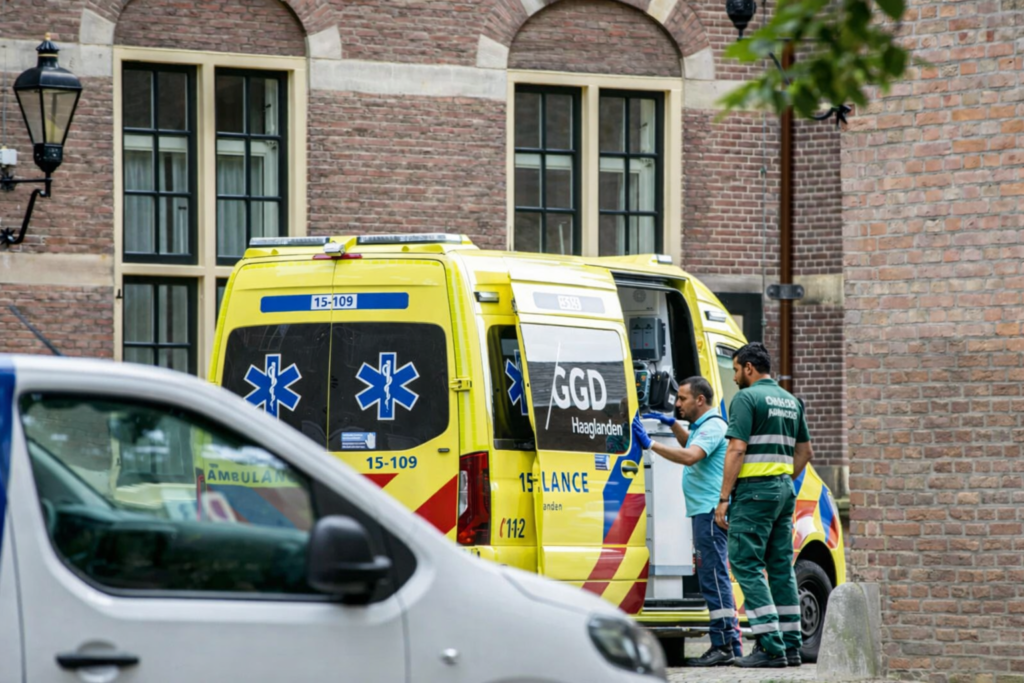
The government reviews the basic insurance package (basispakket) annually. It typically includes:
- GP (family doctor) care
- Hospital treatment and emergency care
- Prescription medication
- Maternity care
- Preventive screenings and vaccinations
Coverage depends on whether your insurer has a contract with the healthcare provider. Visiting non-contracted providers may result in partial reimbursement.
Why take supplementary health insurance in the Netherlands?
Most residents choose supplementary insurance (aanvullende verzekering) to cover services excluded from basic insurance. In 2024, over 80% of residents held additional coverage.
Benefits include:
- Dental and vision care
- Contraception
- Physiotherapy
- Mental healthcare
- Alternative treatments
- Faster access to specialists
- Greater comfort and privacy in hospitals
Supplementary plans vary widely and are not mandatory.
Who needs health insurance in the Netherlands?
Health insurance is mandatory for most people living in the Netherlands, regardless of nationality.
Dutch health insurance for temporary stays
- EU/EEA/UK visitors may use an EHIC or GHIC for necessary care
- Schengen visa holders must have insurance covering at least €30,000
- Short-term visitors can use international insurance policies
Health insurance for long-term and permanent stays in the Netherlands
Anyone living in the Netherlands for more than 183 days per year must usually take out Dutch basic insurance within four months of arrival.

Exceptions may apply to:
- Students
- Working holiday participants
- Cultural exchange visitors
- Certain non-residents without economic ties
Which Dutch health insurance do I need?
| Status | Dutch insurance required? | Supplementary insurance? |
|---|---|---|
| Employee of Dutch company | Yes | Optional |
| Foreign employer | Depends | Depends |
| Freelancer/self-employed | Yes | Optional |
| Job seeker | Yes | Depends |
| Student | Depends | Depends |
| Retiree | Yes | Optional |
| Asylum seeker | Yes | Optional |
Can you access health insurance if you are unemployed?
Yes. Health insurance in the Netherlands is not tied to employment. If you lose your job, your insurance remains valid as long as premiums are paid.
Dutch health insurance for students
Most international students are not eligible for Dutch insurance unless they:
- Work alongside their studies
- Are over 30 and staying long-term
Students who qualify must arrange Dutch insurance. Others must maintain international or private coverage.
Health insurance for children in the Netherlands
Children under 18 receive free basic healthcare and are automatically insured under a parent or guardian’s policy. Once they turn 18, they must register independently.
Health coverage for tourists and short-stay visitors
- EU/EEA/UK tourists may use EHIC/GHIC
- Others must have international health insurance valid in the Netherlands

Travel insurance is recommended for non-emergency care.
Asylum seekers and refugees
Asylum seekers and refugees automatically receive access to basic healthcare through dedicated healthcare services at reception centres.
International health insurance for expats in the Netherlands
International insurance may be suitable if:
- You need insurance for visa approval
- You are not yet eligible for Dutch insurance
- You move frequently between countries
Common providers include:
- Allianz Care
- APRIL International
- Cigna Global
What happens if I don’t have health insurance?
If required insurance is missing, the Central Administration Office (CAK) may:
- Issue warnings
- Impose fines
- Automatically enrol you and deduct premiums
Exemptions are possible for religious or conscientious objections, but equivalent taxes apply.
How do you apply for health insurance in the Netherlands?
What to do before your move
- Contact your home healthcare authority
- Arrange EHIC/GHIC or S1 form if applicable
- Obtain private or international insurance if required for your visa
How to register once you are in the Netherlands
- Register with your municipality
- Obtain a BSN (Citizen Service Number)
- Choose a health insurer
- Apply directly (online or by phone)
Insurers must accept you for basic coverage but may reject supplementary coverage.
Documents required
- Valid passport or ID
- BSN
- Proof of address
- Dutch bank account details
Dutch health insurance card: de zorgpas
Most insurers issue a digital or physical zorgpas. Healthcare providers can also verify coverage using your BSN.
How to get money back from health insurance
- Contracted providers bill insurers directly
- Non-contracted providers require upfront payment
- Reimbursements are requested via app or portal
- Refunds usually arrive within two weeks
How do you choose a health insurance company?
When comparing providers, consider:
- Coverage suitability
- Reimbursement process
- Deductible options
- Overseas coverage
- Customer service ratings
- Ethical and sustainability policies
Comparison platforms include Independer and UnitedConsumers.
Health insurance companies in the Netherlands
Popular providers for expats include:
- FBTO Zorg
- ONVZ
- Zilveren Kruis
Policies can only be changed once per year, during December.
Contracted healthcare providers and insurance policies
Dutch insurers work with contracted providers. Policy types include:
- Budget policy – limited provider choice
- Natura policy – full coverage for contracted providers
- Combination policy – mixed reimbursement
Restitution policies were discontinued in 2025.
How much does Dutch health insurance cost?
Costs of basic health insurance in 2025
- Average annual premium: €1,904.64
- Monthly range: €145.95–€177.50
Supplementary insurance costs
Typically €20–€80 per month, depending on coverage level and age.
Own-risk deductible (eigen risico)
- Mandatory deductible: €385 per year
- Does not apply to GP visits, maternity care, children’s healthcare, or district nursing
- Optional voluntary deductible can reduce premiums
Personal contribution (eigen bijdrage)
Applies to specific healthcare products set by the government annually.
Dutch healthcare allowance (zorgtoeslag)
Low-income residents may receive monthly support.
2025 income limits:
- Single: €39,719
- Couples: €50,206
Monthly benefit: €4–€131 (single) or up to €250 (couples)
How much does international health insurance cost?
International policies are usually more expensive than Dutch insurance and depend on:
- Age
- Coverage scope
- Pre-existing conditions
- Geographic coverage
Useful resources
- Rijksoverheid – Dutch healthcare system
- SVB – mandatory insurance check
- Zorgverzekeringslijn – official helpline
- Zorgtoeslag – healthcare allowance