
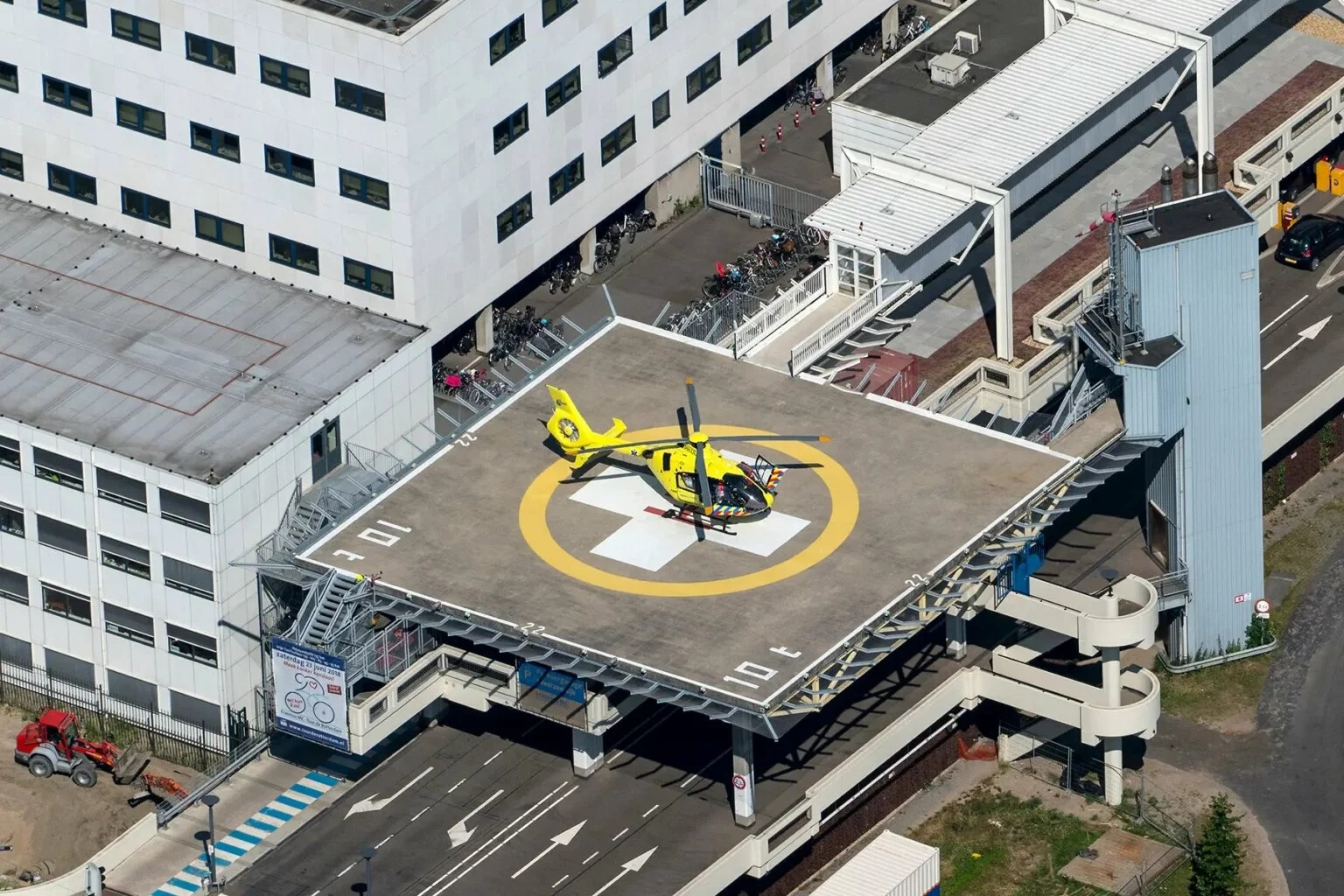
The healthcare system in the Netherlands
From compulsory health insurance to family doctors and specialist care, here’s what you need to know about how healthcare works in the Netherlands.
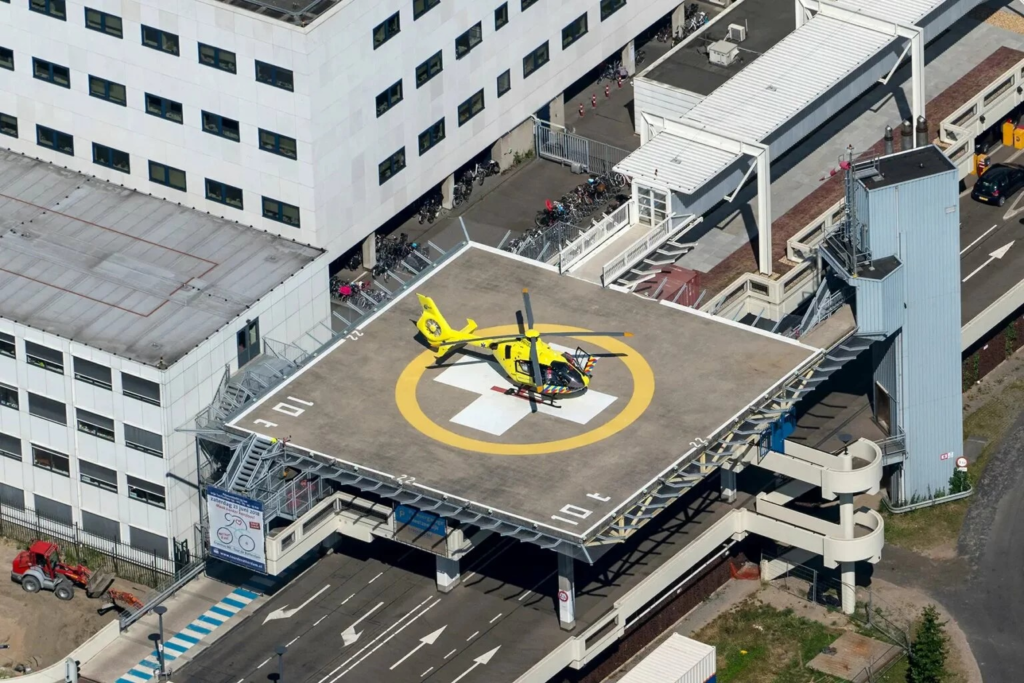
The Dutch healthcare system is built on a regulated structure that combines mandatory health insurance with private healthcare providers. While the system is often praised for its quality and accessibility, understanding how it works, what is covered, and how much it costs is essential—especially for newcomers.
This guide explains how the system is organised, who is eligible, and what expats should expect when accessing healthcare in the Netherlands.
How does healthcare work in the Netherlands?
Does the Netherlands have universal healthcare?
The Netherlands operates a universal healthcare system that ensures access to medical care for all residents. Rather than being funded directly through taxes alone, healthcare is delivered through mandatory private health insurance that is regulated by the government.

Residents must take out a basic health insurance policy (basisverzekering) from a private insurer. These insurers are legally required to accept applicants regardless of age, health condition, or medical history. In addition to basic insurance, optional supplementary policies are available for services not fully covered.
Each year, the Dutch government defines what treatments and services must be included in the basic insurance package.
Is healthcare good in the Netherlands?
The Dutch healthcare system consistently ranks among the top systems globally. International benchmarks regularly place the Netherlands near the top for accessibility, patient choice, and overall outcomes.
Studies show very low levels of unmet medical needs, indicating that most residents are able to access the care they require. While there are known challenges—such as waiting times in certain specialist areas—the system is widely regarded as reliable and well-regulated.
Who administers Dutch healthcare?
Healthcare in the Netherlands is overseen at multiple levels:
- The Ministry of Health, Welfare and Sport sets national healthcare policy.
- The National Institute for Public Health and the Environment (RIVM) monitors public health trends and healthcare accessibility.
- The Dutch Healthcare Authority (NZa) regulates healthcare providers and insurers to ensure compliance with legislation.
- Local municipalities organise and coordinate regional health services.
- General practitioners (huisartsen) act as gatekeepers to specialist and hospital care.
Does the Netherlands have free healthcare?
Healthcare in the Netherlands is not free at the point of use. Instead, it is financed through a combination of taxes, insurance premiums, and personal contributions.

Key costs include:
- Income-based contributions through taxation
- Monthly insurance premiums, typically ranging from €145 to €180
- Annual deductible (eigen risico) of €385 (2025), which applies to most treatments
- Personal contributions (eigen bijdrage) for certain medications or services
Residents with lower incomes may qualify for a healthcare allowance (zorgtoeslag), which helps offset insurance costs.
Who can access healthcare in the Netherlands?
Healthcare is considered a fundamental right in the Netherlands. All residents can access medical care, including asylum seekers, refugees, and undocumented migrants, although the level of coverage may differ depending on legal and insurance status.
Can foreigners get health insurance in the Netherlands?
Most expats are required to take out Dutch basic health insurance, depending on their economic and residential ties to the country.

In general:
- Employees with a Dutch employer must register for basic insurance
- Freelancers and self-employed workers are required to insure themselves
- Job seekers with residence permits must register
- International students usually require private international insurance
- Foreign pensioners settling long-term must take out Dutch insurance
- Asylum seekers and refugees receive care without standard insurance
Healthcare when you first move to the Netherlands
Short-term access to healthcare depends on nationality and visa status:
- EU/EFTA and UK nationals can use their EHIC or GHIC cards during the first months
- An S1 form may allow continued access to home-country healthcare
- Non-EU nationals generally need international insurance for visa approval
- Some visa holders (students, working holiday participants) can use existing coverage temporarily
Health insurance for expats in the Netherlands
International insurers commonly used by expats include:
- Allianz Care
- AXA Global Healthcare
- Cigna Global
These policies are often used for visa applications or as temporary coverage before switching to Dutch insurance.
How to register for Dutch healthcare
Registration typically follows these steps:

- Obtain a Citizen Service Number (BSN) from your municipality
- Choose a Dutch health insurer
- Register directly with the insurer
- Select optional supplementary coverage if needed
Insurers cannot reject applicants for basic coverage. However, outstanding payment issues can affect acceptance.
Overview of primary care in the Netherlands
Dutch healthcare professionals
Doctors and specialists
General practitioners (huisartsen) are the first point of contact for almost all medical concerns. They manage routine care, diagnostics, referrals, and medical records.
Specialists operate in hospitals or specialised clinics and require a referral from a GP.
Dentists
Dental care is covered for children under 18. Adults must pay out of pocket or take supplementary insurance. Patients are free to choose any dentist.
Physiotherapists in the Netherlands
Basic insurance covers limited physiotherapy sessions. Additional coverage is recommended for long-term treatment. Referrals are not mandatory but can affect costs.
Dutch healthcare facilities
Health centers and clinics
Primary care clinics are widely available and usually operate on weekdays. After-hours services (huisartsenpost) are available but may involve additional charges.
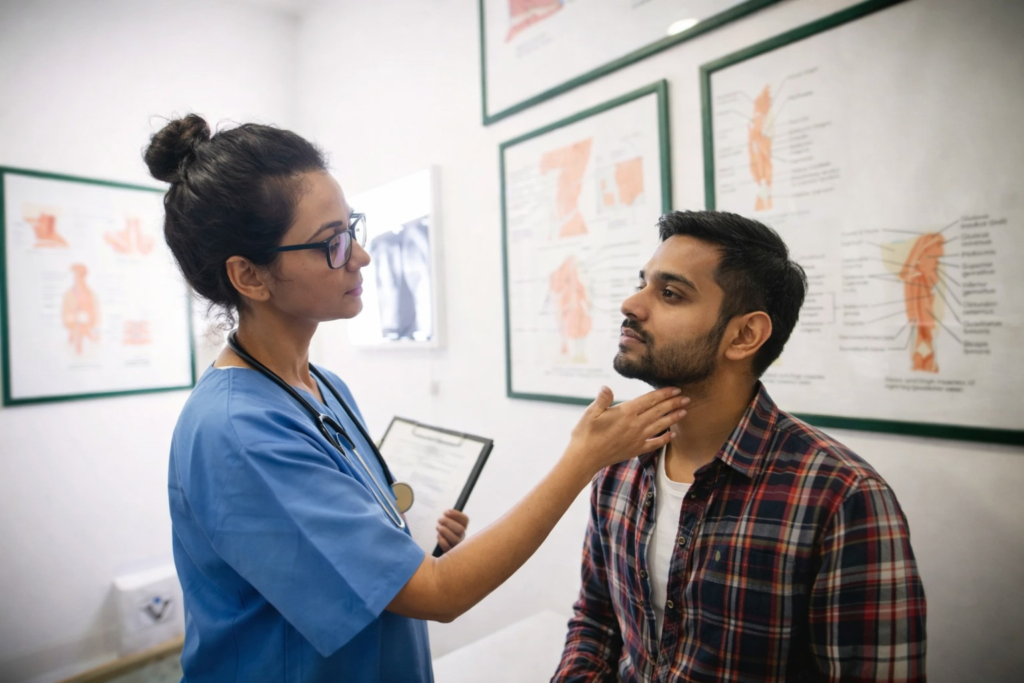
Doctor consultations are covered, while diagnostics may count toward the deductible.
Hospitals in the Netherlands
Hospitals are publicly run and accessible through GP referral or emergency services (112). Basic insurance covers hospital care, though comfort and privacy levels may vary.
Supplementary insurance can provide access to private rooms or additional services.
Pharmacies
Pharmacies are easy to find and operate mainly on weekdays. Prescription costs count toward the deductible, though medication prices are capped and heavily subsidised.

Specialized healthcare in the Netherlands
Mental healthcare
Mental healthcare is accessible through referrals to licensed providers. Waiting times can be long within the public system. Private or supplementary insurance allows faster access.
Children’s healthcare
Children under 18 receive free healthcare, including vaccinations and dental care. Coverage is linked to a parent or guardian’s insurance policy.
Women’s healthcare
Essential women’s healthcare services are covered, including pregnancy-related care and screenings. Other services may require additional coverage.

Abortion is legal in the Netherlands and regulated under national law, with medical consultation guiding decision-making timelines.
Alternative medicine in the Netherlands
Alternative and complementary healthcare services (alternatieve geneeswijzen) are quite popular in the Netherlands. Common forms of holistic medicine are acupuncture, halotherapy, homeopathy, iridology, osteopathy, and other complementary therapies.
Depending on your location and desired treatments, you can access services at specialized health clinics, wellness centers, pharmacies, or health food stores.
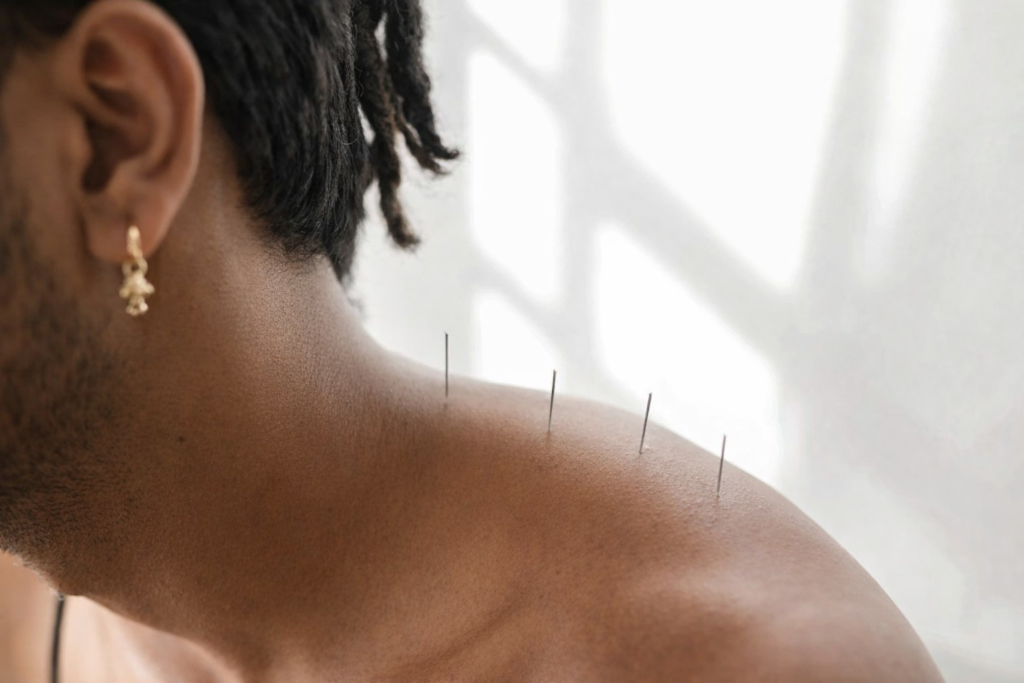
Some alternative medicines are covered by private insurance; be sure to check what is in your policy before you schedule an appointment.
Practical medical phrases in Dutch
Some useful Dutch phrases and vocabulary to learn are:
| English | Dutch |
| Help! | Help! |
| Call an ambulance! | Bel de ambulance! |
| I’ve had an accident | Ik heb een ongeluk gehad |
| I feel like I’m dying | Ik voel me alsof ik dood ga |
| doctor’s office | dokterskamer |
| pain | pijn |
| headache | hoofdpijn |
| stomach ache | maagpijn |
| fever | koorts |
| cough | hoest |
| food poisoning | voedselvergiftiging |
| heart attack | hartaanval |
| prescription | voorschrift |
| vaccine | vaccinatie |
| x-ray | röntgenfoto |
| CT scan | CT scan |
Useful resources
- Rijksoverheid Zorgverzekering – government website with information about the Dutch healthcare system
- Zorgverzekeringslijn – government-backed helpline for questions related to Dutch health insurance
- Dutch Tax Office – government website with information on the healthcare allowance for low-income households
- Zorgkaart Nederland – map with all healthcare providers in the Netherlands